
Japan
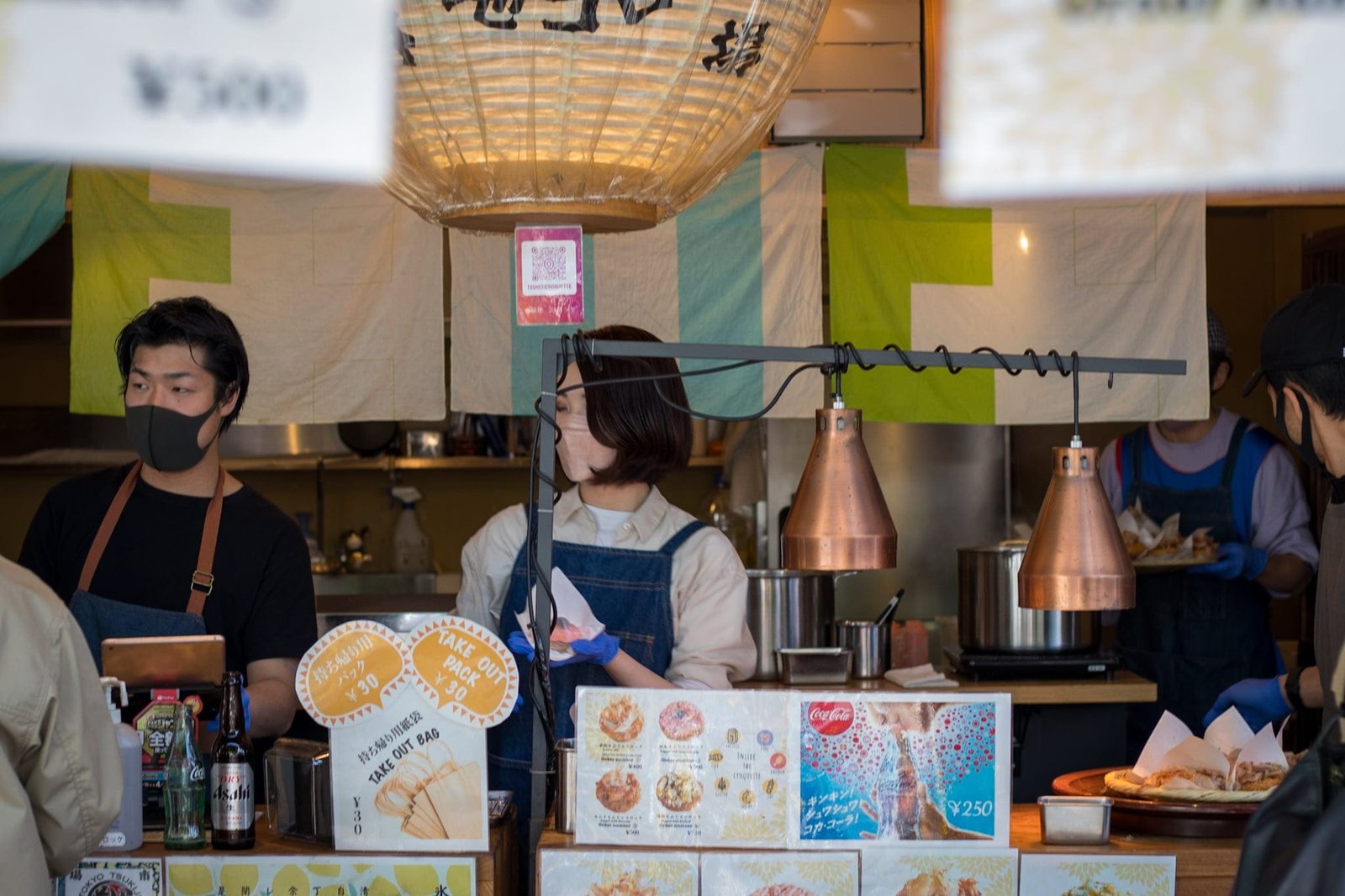
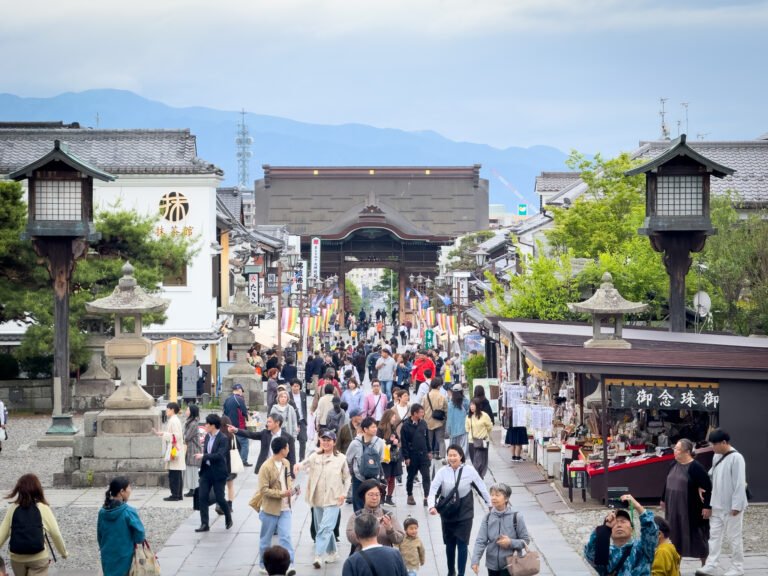
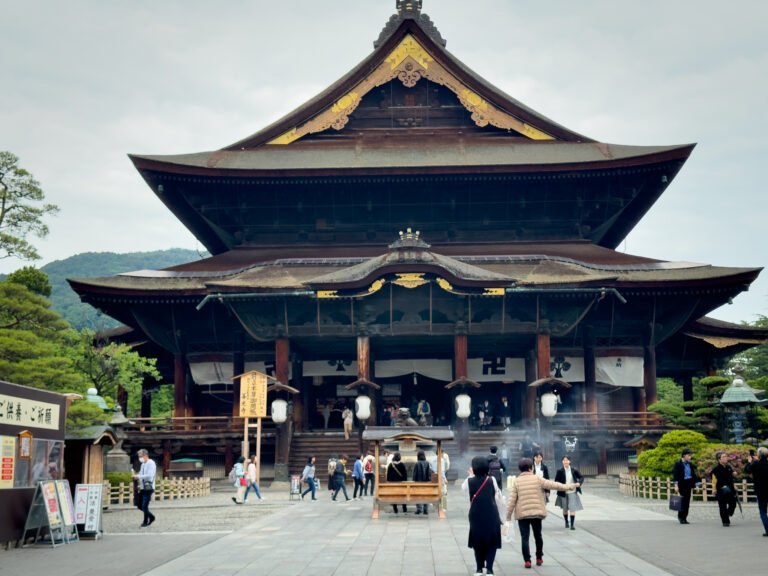
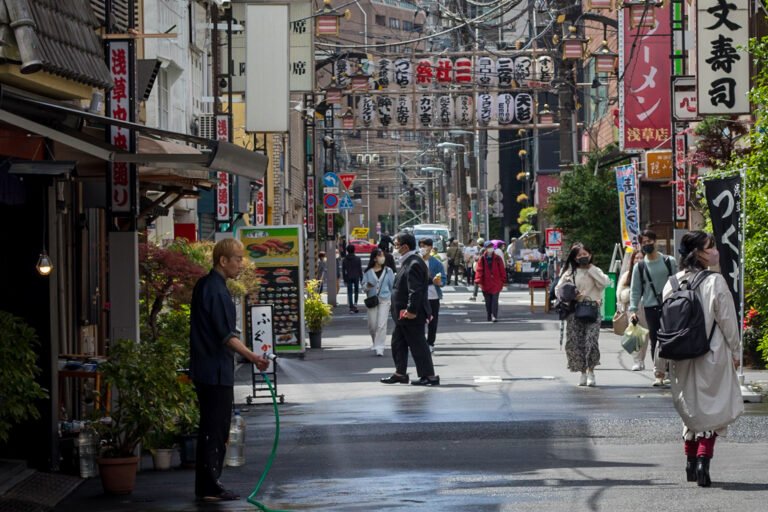
Japan is a land of contrasts, where ultramodern cities meet ancient cultural heritage. From the neon-lit streets of Tokyo to the tranquil temples of Kyoto, this incredible destination has something for every traveler. Explore world-famous Japanese cuisine, from fresh sushi and hearty ramen to delicate wagashi sweets. Dive into cultural experiences like traditional tea ceremonies, rejuvenating onsen baths, and vibrant local festivals.
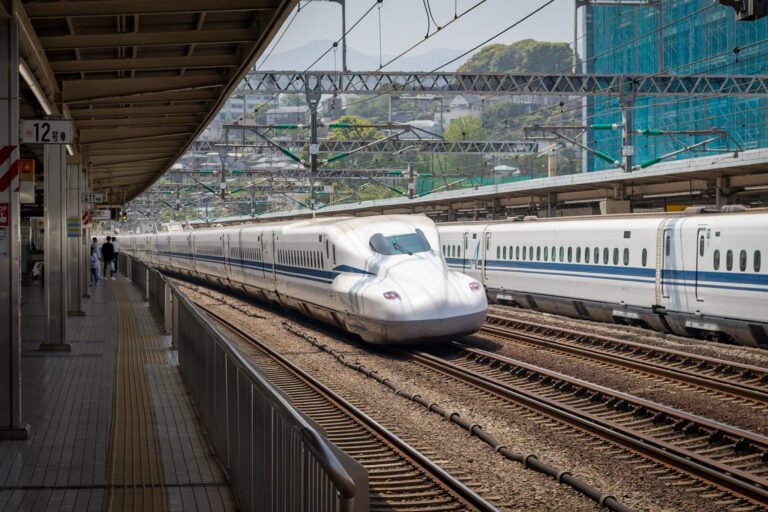
Japan’s efficient public transportation, including the iconic Shinkansen bullet trains, makes it easy to uncover the country’s diverse landscapes. Witness the snow-capped mountains of Hokkaido, relax on the tropical beaches of Okinawa, or explore UNESCO World Heritage sites like Mount Fuji and Himeji Castle. Start planning your trip today and immerse yourself in the unique beauty and charm of Japan.
- Best time to visit
- March to May and September to November
- Local cuisine
- Sushi, Ramen, Tempuras
- Entry and visa requirements
- Check official requirements (opens in a new tab)
- Travel eSIM
- Holafly Unlimited (opens in a new tab)
 Start hereTraveling in Japan: Amazing Itineraries for 10 and 15 Days
Safety and Accessibility Tips in Japan
Is it safe to travel to Japan in 2025?
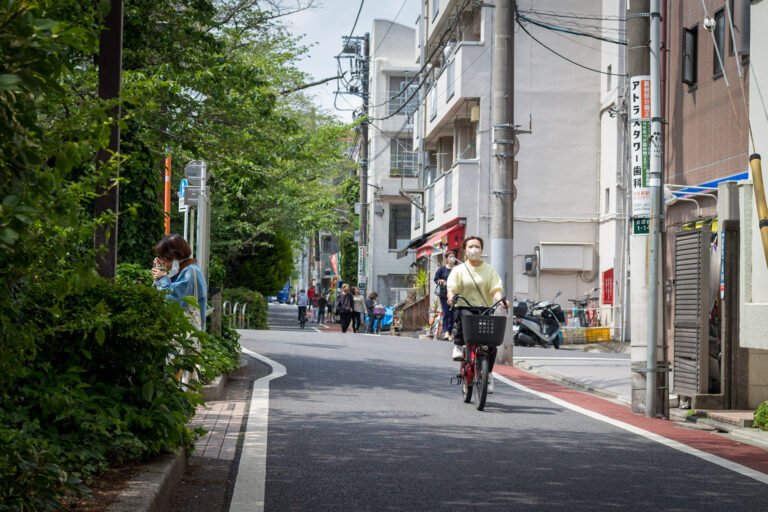
Yes, Japan remains one of the safest countries in the world to travel to. The crime rate is very low, and violent crimes are rare. However, there has been an increase in crimes such as fraud and online scams in recent years. As long as you take basic precautions — like keeping your belongings close and being aware of your surroundings — you’re unlikely to encounter problems. With the rise in tourism, authorities emphasize the importance of respecting local customs: avoid speaking loudly on public transport, remove your shoes when indicated, and refrain from eating while walking — simple gestures that show respect for Japanese culture.
How are transportation and accessibility in Japan?
Japan has one of the best transportation systems in the world. Trains are fast, clean, and punctual — the Shinkansen (bullet train) is an experience truly worth it. Cities like Tokyo and Kyoto have increasingly invested in accessibility, with elevators, ramps, and signage for people with reduced mobility. In 2025, even some smaller stations have begun adopting innovative structures, such as 3D-printed buildings to improve access. Urban buses have priority seating and facilitated access for wheelchairs.
What is the local etiquette and culture in Japan?
Japan places great importance on respect and good manners. Here are some practical tips:
- Greetings: The traditional way is to bow slightly.
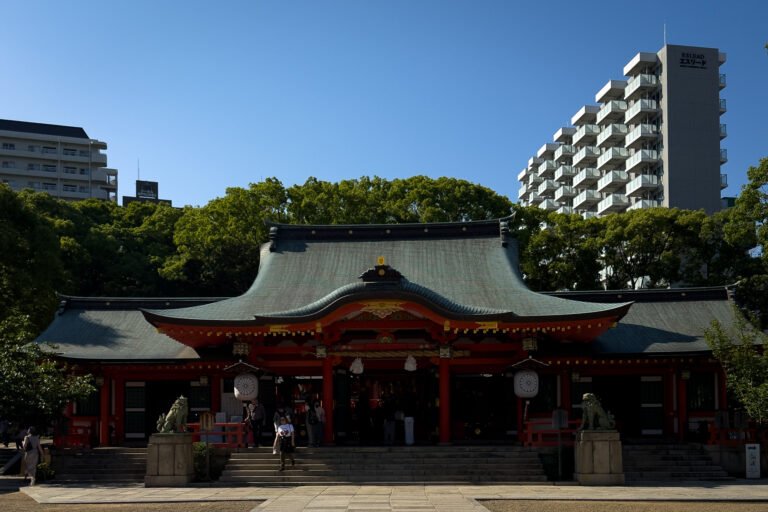
- Shoes: Remove them when entering homes, temples, or certain accommodations.
- Public behavior: Speak softly, especially on public transport.
- At the table: Do not stick chopsticks vertically into rice or pass food from chopstick to chopstick.
- Onsen (hot springs): Wash thoroughly before entering, and remember that visible tattoos are still frowned upon in some places.
Respecting these customs shows consideration and is always appreciated by locals.
Is Japan safe for LGBTQIA+ travelers?
Japan is generally safe for LGBTQIA+ travelers. While same-sex marriage is not yet legal nationwide, some areas — like Tokyo — already recognize civil unions. Public displays of affection, whether between heterosexual or queer couples, are rare, so it’s best to maintain some discretion. In large cities, you’ll find inclusive neighborhoods, events like Tokyo Rainbow Pride, and safe spaces for the entire community. Japanese hospitality, combined with a discreet and respectful approach, makes many LGBTQIA+ travelers feel welcome.
Guides











Travel checklist for Japan
Valid passport and visa (if necessary) (opens in a new tab)
Check that your passport is valid (minimum 6 months) and whether you need a visa depending on your nationality.
Japan Rail Pass (optional) (opens in a new tab)
The JR Pass offers unlimited travel on Japan Rail trains — perfect if you plan to visit multiple cities across the country.
Suica/Pasmo/ICOCA Transit Card (opens in a new tab)
Makes using public transportation and shopping at stores or vending machines easier. You can also use digital versions directly on your smartphone.
International Travel Insurance (opens in a new tab)
Healthcare in Japan is expensive for non-residents — good insurance covers medical emergencies and unforeseen issues.
eSIM or Pocket Wi-Fi Device (opens in a new tab)
Internet is essential for navigation, translation, and bookings. Buy an eSIM or pocket Wi-Fi before arriving.
Cash in Yen (JPY) (opens in a new tab)
Despite the technology, many places still accept only cash — especially outside major cities. 7-Bank ATMs (7-Eleven) have no withdrawal fees with Mastercard.
International Driving Permit (IDP) (opens in a new tab)
Required for driving in Japan. Issued by local authorities in your country under the rules of the Geneva Convention.
Common mistakes when travelling to Japan
Speaking loudly or using your phone on public transport (opens in a new tab)
In Japan, silence on public transport is a sign of respect. Avoid loud conversations or phone calls on trains, subways, and buses.
Being surprised by the lack of trash bins or leaving garbage in the street (opens in a new tab)
It’s rare to find public trash bins in Japan. Locals usually carry their trash with them until they find an appropriate place to dispose of it. Leaving garbage on the street is frowned upon and seen as disrespectful.
Thinking you’re going to teach or “save” Japanese culture (opens in a new tab)
Japanese culture is well-preserved and deeply rooted. Avoid paternalistic or superior attitudes, such as imposing ideas or correcting local customs. Respect their way of life — the Japanese are perfectly capable of taking care of themselves.
Feeling offended when not accepted at certain establishments — it’s not illegal (opens in a new tab)
Some bars, restaurants, or accommodations only accept Japanese customers. This is a culturally accepted practice, often due to language or custom, and it’s not illegal in Japan. Don’t take it personally — just move on and find another place.