

Thailand
Traveling in Thailand is a transformative experience, filled with exotic landscapes, spirituality, and unforgettable flavors. We were lucky to explore this fascinating destination during two round-the-world trips, visiting must-see places like Bangkok, Chiang Mai, Chiang Rai, Phuket, Krabi, Koh Lanta, and Koh Lipe. On later adventures, we went even deeper, discovering gems like Koh Chang, Pattaya, Koh Phangan, and Hua Hin.
This Southeast Asian country offers a perfect blend of breathtaking Buddhist temples, tropical beaches with crystal-clear waters, a rich cultural heritage, and one of the most beloved cuisines in the world. Whether you’re exploring ancient cities like Ayutthaya, wandering through floating markets, trekking in the mountainous north, or just relaxing on idyllic islands, traveling in Thailand means endless discovery and inspiration.
Thailand is well-equipped for all types of travelers—from backpackers to families to honeymooners—and suits every budget and style. Explore our complete itineraries, filled with practical tips and curated accommodation suggestions, and start planning your trip with confidence.
- Best time to visit
- November to February
- Local cuisine
- Pad Thai, Tom Yum Goong, Green Curry
- Entry and visa requirements
- Check official requirements (opens in a new tab)
- Travel eSIM
- Holafly Unlimited (opens in a new tab)
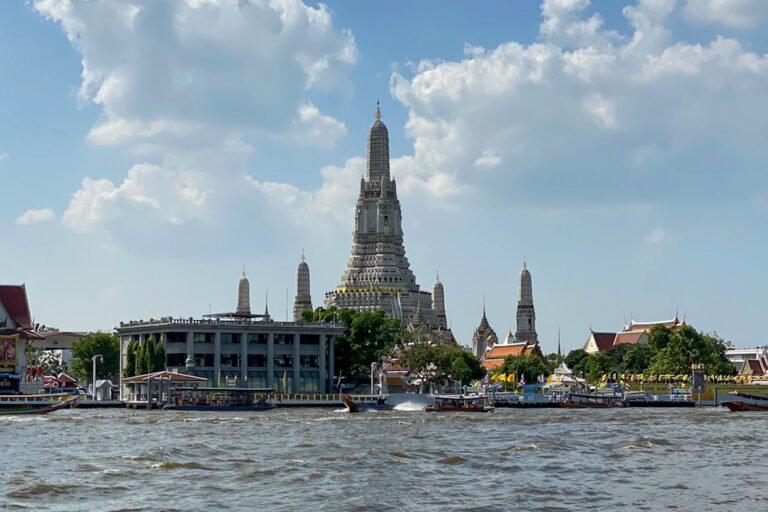 Start hereWhat to Do in Bangkok – The Most Vibrant City in Thailand
Safety and Accessibility Tips in Thailand
Is it safe to travel in Thailand?
Thailand is widely recognized as a safe destination for travelers. According to the Global Peace Index 2023, the country ranks among the top 30 most peaceful countries in the world, with a relatively low crime rate, especially in violent crimes. It is common to see people walking alone at night without concerns. The U.S. Department of State has classified Thailand as a level 1 destination in terms of safety, the lowest travel advisory level available. Additionally, the Thai people are known for their warmth and hospitality, making many travelers feel welcomed.
Transportation and accessibility
Thailand offers an efficient and constantly evolving public transportation system. The Bangkok Skytrain and metro are widely used, with elevators and English signage in many stations. The Accessible Thailand platform also provides detailed information on accessibility in tourist attractions, hotels, and restaurants, making the country more accessible to people with reduced mobility.
Local etiquette and respect for culture
Thailand deeply values respect and courtesy, with many customs influenced by Buddhism and royal traditions. Visitors should remember to be polite, respect queues, and follow proper conduct at temples (such as removing shoes when requested and dressing appropriately). It is also important not to point directly at statues with your finger and to avoid taking photos without permission, especially in religious spaces. These small gestures demonstrate cultural sensitivity and are highly appreciated by the locals.
LGBTQIA+ travelers: What to expect
Thailand has been a leader in promoting LGBTQIA+ rights in Asia. In January 2025, the country legalized same-sex marriage, becoming the first country in Southeast Asia to take this historic step. This progress has been widely praised by organizations such as Human Rights Watch and ILGA World. Cities like Bangkok and Chiang Mai are home to vibrant and welcoming LGBTQIA+ communities, with events like Bangkok Pride drawing thousands of visitors. While there are more conservative areas, Thailand is generally considered a safe and welcoming destination for LGBTQIA+ travelers.
Guides






Travel checklist for Thailand
Schedule a pre-travel health consultation (opens in a new tab)
Before traveling to Thailand, book a travel health consultation. A medical professional can recommend vaccines and precautions tailored to your profile and itinerary.
Check if you need a visa (opens in a new tab)
Citizens of Portugal, Brazil, and many other countries can enter Thailand visa-free for up to 30 days. Always confirm the latest requirements based on your nationality.
Fill out the digital arrival card before entering the country (opens in a new tab)
All travelers must submit the Thailand Digital Arrival Card up to 3 days before their arrival. If staying in the country for more than 90 days, they must report their place of residence to the immigration authorities every 90 days. Working is only allowed with an official work permit.
Use Grab for local transportation (opens in a new tab)
Grab is the most reliable alternative to taxis. It helps avoid scams and lets you agree on the fare in advance—widely used across Southeast Asia.
Book transportation online in advance (opens in a new tab)
Trains, buses, and ferries in Thailand often sell out during holidays. Use platforms like 12Go Asia to secure your seat ahead of time and avoid stress.
Choose safe and central accommodation (opens in a new tab)
In cities like Bangkok or Chiang Mai, pick hotels near the BTS/MRT or in the old town. Book early during peak season to get the best deals and locations.
Unlimited eSIM for mobile data (opens in a new tab)
Thailand has great 4G/5G coverage. Avoid roaming charges by using an unlimited data eSIM like Holafly for constant internet access.
Common mistakes when travelling to Thailand
Ignoring cultural and religious etiquette (opens in a new tab)
Disrespecting Buddha images, entering temples in inappropriate clothing, or touching someone\\\\\\\'s head are considered offensive. Learn what to avoid before you go.
Drinking tap water (opens in a new tab)
Tap water in Thailand is not safe to drink. Always choose bottled or filtered water—even when brushing your teeth.
Trusting taxis without a meter (opens in a new tab)
Avoid taxis that refuse to use the meter. Use apps like Grab or agree on the fare before getting in to prevent overcharging.
Underestimating heat and humidity (opens in a new tab)
The tropical climate can be overwhelming. Stay hydrated, use sunscreen, and plan breaks in the shade—especially between March and May.
Traveling without insurance (opens in a new tab)
Motorbike accidents and food poisoning are common. A policy like Heymondo’s can save you from costly medical expenses and stress.