

Taiwan
Welcome to your ultimate guide for traveling in Taiwan, an island where modernity meets tradition, nature blends with culture, and every corner invites exploration. From the bustling streets of Taipei to the serene landscapes of Taroko Gorge, Taiwan captivates all your senses and offers something for every type of traveler.
Dive into Taiwan’s rich history through its ancient temples, savor the vibrant food scene at world-famous night markets, and get lost in the lush mountains and stunning coastal beauty. Whether you’re here to experience the dynamic city life, relax in hot springs, or hike breathtaking national parks, Taiwan has it all to make your trip unforgettable.
In this guide to traveling in Taiwan, you’ll find everything you need to plan the perfect trip: the best places to stay, things to do, hidden gems off the beaten path, and practical tips to make your journey smooth and memorable.
If you love food, nature, culture, or adventure, Taiwan promises a unique experience filled with memories that will last a lifetime.
- Best time to visit
- March to May and September to November
- Local cuisine
- Beef noodle soup
- Entry and visa requirements
- Check official requirements (opens in a new tab)
- Travel eSIM
- Holafly Unlimited (opens in a new tab)
 Start here3-Week Taiwan Itinerary: Explore Formosa from South to North
Safety and Accessibility Tips in Taiwan
Is it safe to travel to Taiwan?
Yes, Taiwan is widely recognized as one of the safest countries in Asia for tourists. According to the Global Peace Index 2023, Taiwan ranks among the 30 most peaceful countries in the world. The crime rate is low, especially for violent crime, and it’s common to see people walking alone at night without concern. The U.S. Department of State also classifies Taiwan as a Level 1 travel destination — the lowest level of travel advisory. Locals are known for being welcoming, and the sense of community makes travelers feel safe and at home.
How are public transportation and accessibility in Taiwan?
Taiwan’s public transportation system is efficient, modern, and highly accessible. It’s frequently praised by travel experts like Lonely Planet and CNN Travel. The Taipei MRT, in particular, is known for its cleanliness, punctuality, and English-friendly signage. Most major stations offer elevators and full access for travelers with reduced mobility. The platform Accessible Taiwan provides up-to-date information on accessible hotels, restaurants, and tourist attractions — helping travelers with specific needs explore Taiwan with confidence.
Local etiquette: how to respect the culture in Taiwan
If you’re visiting Taiwan for the first time, it’s helpful to understand the cultural etiquette rooted in Confucian traditions. As noted by the Taiwan Tourism Bureau, travelers are expected to speak in a moderate tone, queue patiently, and follow temple customs — such as removing shoes when required and wearing respectful clothing. In religious sites, avoid pointing directly at statues and always ask before taking photos. These small gestures show cultural awareness and are deeply appreciated by locals.
Is Taiwan LGBTQIA+ friendly?
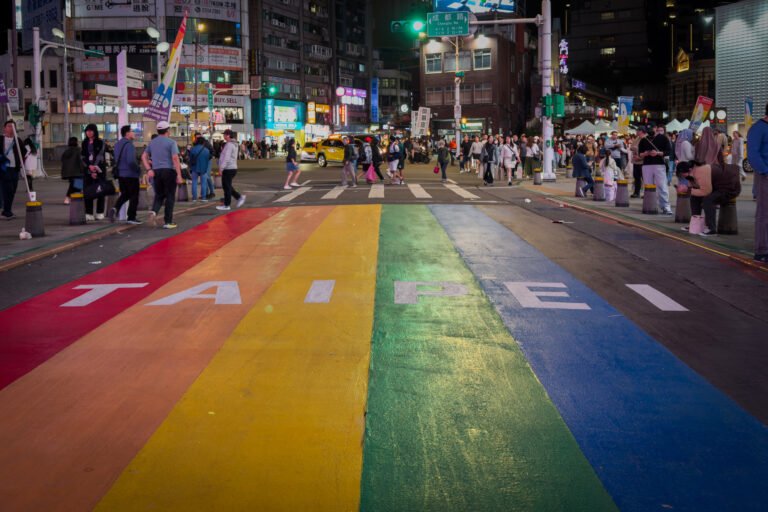
Yes, Taiwan is considered the most LGBTQIA+-friendly destination in Asia. In 2019, it became the first country in the region to legalize same-sex marriage — a milestone celebrated by organizations like Human Rights Watch and ILGA World. Taipei is home to a vibrant queer community, inclusive neighborhoods like the Red House District in Ximending, and major events such as Taipei Pride, one of the largest LGBTQIA+ parades in Asia. While some rural areas may be more conservative, Taiwan is widely seen as a safe and welcoming destination for LGBTQIA+ travelers.
Guides








Travel checklist for Taiwan
eSIM or Pocket Wi-Fi (opens in a new tab)
Staying connected in Taiwan is essential for navigation, translation, and payments. The eSIM is convenient and affordable, but Pocket Wi-Fi is great for groups or users with multiple devices.
Bank cards and fee-free ATMs (opens in a new tab)
Withdraw money from ATMs that don’t charge fees, like those from Bank of Taiwan and Mega Bank. Many places still don’t accept cards, so carry some cash.
Passport and visa requirements (opens in a new tab)
Check in advance if you need a visa to enter Taiwan. Many countries are exempt, but your passport must be valid for at least 6 months.
Translation app with OCR (opens in a new tab)
Install a translation app with optical character recognition (OCR) to read menus or signs in Mandarin. Google Translate with camera works well offline.
Rechargeable EasyCard (opens in a new tab)
The EasyCard is handy for subways, buses, and even some shops. You can buy it at the airport or major stations and recharge easily.
Travel insurance with medical coverage (opens in a new tab)
Healthcare in Taiwan is excellent but can be expensive for foreigners. Travel insurance with medical and trip cancellation coverage is essential.
Common mistakes when travelling to Taiwan
Underestimating the tropical climate (opens in a new tab)
Taiwan is humid and prone to sudden rain. Check the weather forecast, wear light clothing, and carry a compact umbrella.
Disregarding local etiquette (opens in a new tab)
Politeness and discretion are valued in Taiwan. Avoid speaking loudly in public, greet with a nod or slight bow, and remove shoes when entering homes or some traditional lodgings.
Forgetting that many places close early (opens in a new tab)
Many restaurants, cafes, shops, and attractions close before 8 PM, especially outside Taipei. Plan your days accordingly.
Not booking accommodation in advance (opens in a new tab)
Taiwan is popular with local and foreign tourists. Hotels fill up quickly on weekends and holidays.
Bringing up Taiwan–China political issues (opens in a new tab)
Avoid sensitive political topics like Taiwan–China relations. Many Taiwanese people have a strong national identity and the topic can cause discomfort.