We spent 5 days in Stockholm in October 2026, and we remember it for its neighbourhoods more than for its landmarks: morning coffee in Södermalm, dinner at the counter at Backfickan, natural wine in a relaxed bar and a quiet day in Uppsala.
The city is spread across islands connected by bridges, so every area feels different. We didn’t try to see every major attraction. We wanted a slower pace, one neighbourhood at a time.
Our route took us through Skeppsholmen and its museums, the creative streets of Södermalm, the old lanes of Gamla Stan and the central streets of Norrmalm and Östermalm, with a day trip to Uppsala.
Here is our itinerary: where we stayed, what we did each day, what it cost, and the cafés, restaurants, wine bars and bookshops we’d go back to. If you’re planning more than a long weekend, our best eSIM for travel guide and our post on whether you need travel insurance cover the practical side.
This article contains affiliate links. If you book through them, we may earn a commission at no extra cost to you.
In this article
Where to Stay in Stockholm
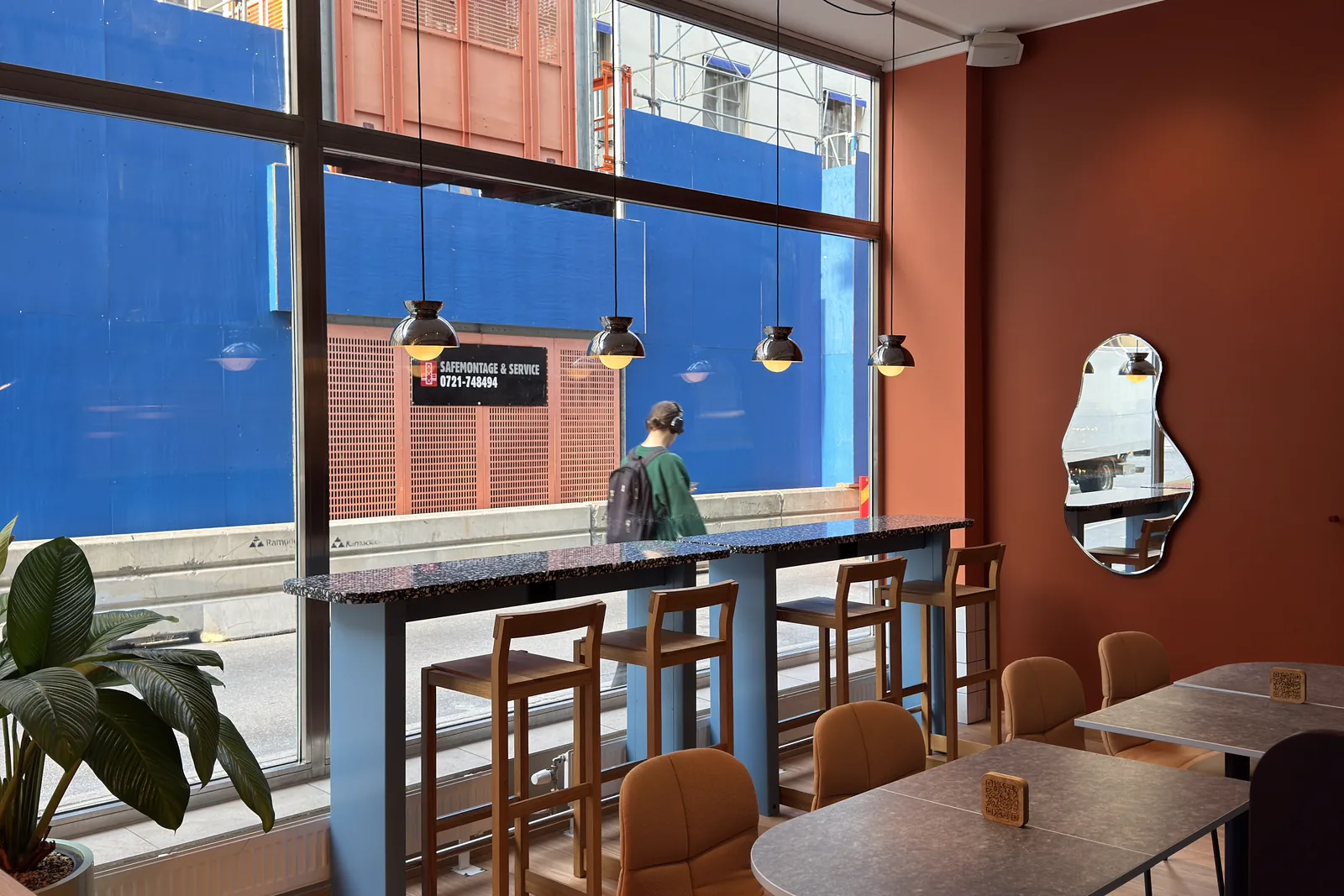
We stayed five nights at Scandic Go Upplandsgatan 4 in Norrmalm, paying about €100 a night (October 2026), within walking distance of the main shopping streets and public transport.
It worked well as a base. Many neighbourhoods are reachable on foot, and the metro and buses cover the rest. Norrmalm also puts you close to restaurants, cafés, shops and the central station.
You can check availability and prices for Stockholm on Booking.com. For three areas and three hotels in each, with photos and prices, see our guide to where to stay in Stockholm.
Our advice for Stockholm is to choose location over room size. The centre is very walkable, and a well-connected hotel saves you time every day.
Our 5-Day Stockholm Itinerary
- Skeppsholmen
- Södermalm and SoFo
- Gamla Stan
- Norrmalm
- Östermalm
Day 1: Skeppsholmen, Contemporary Art and Architecture
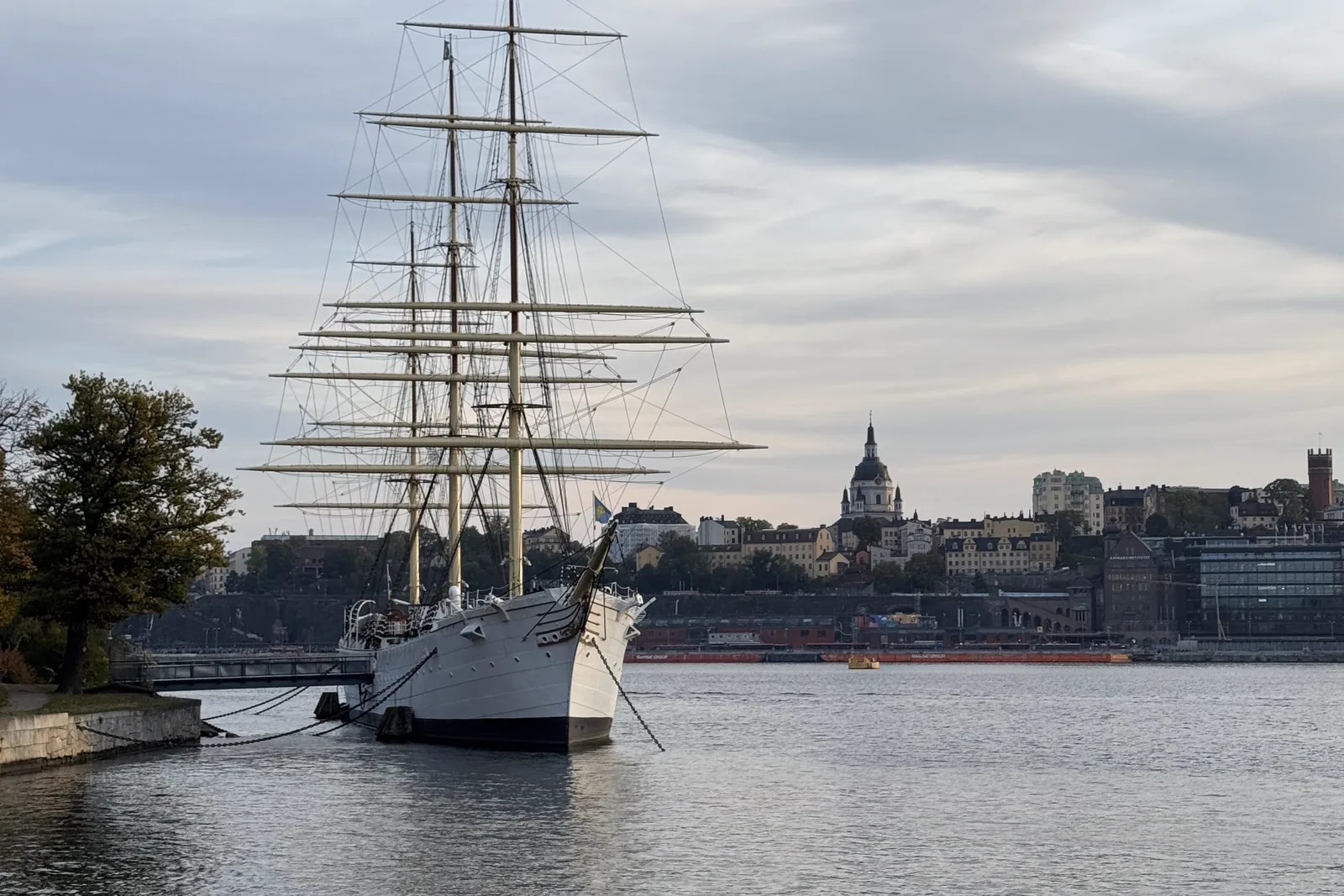
We started on Skeppsholmen, a small island in the city centre with museums and views over the water.
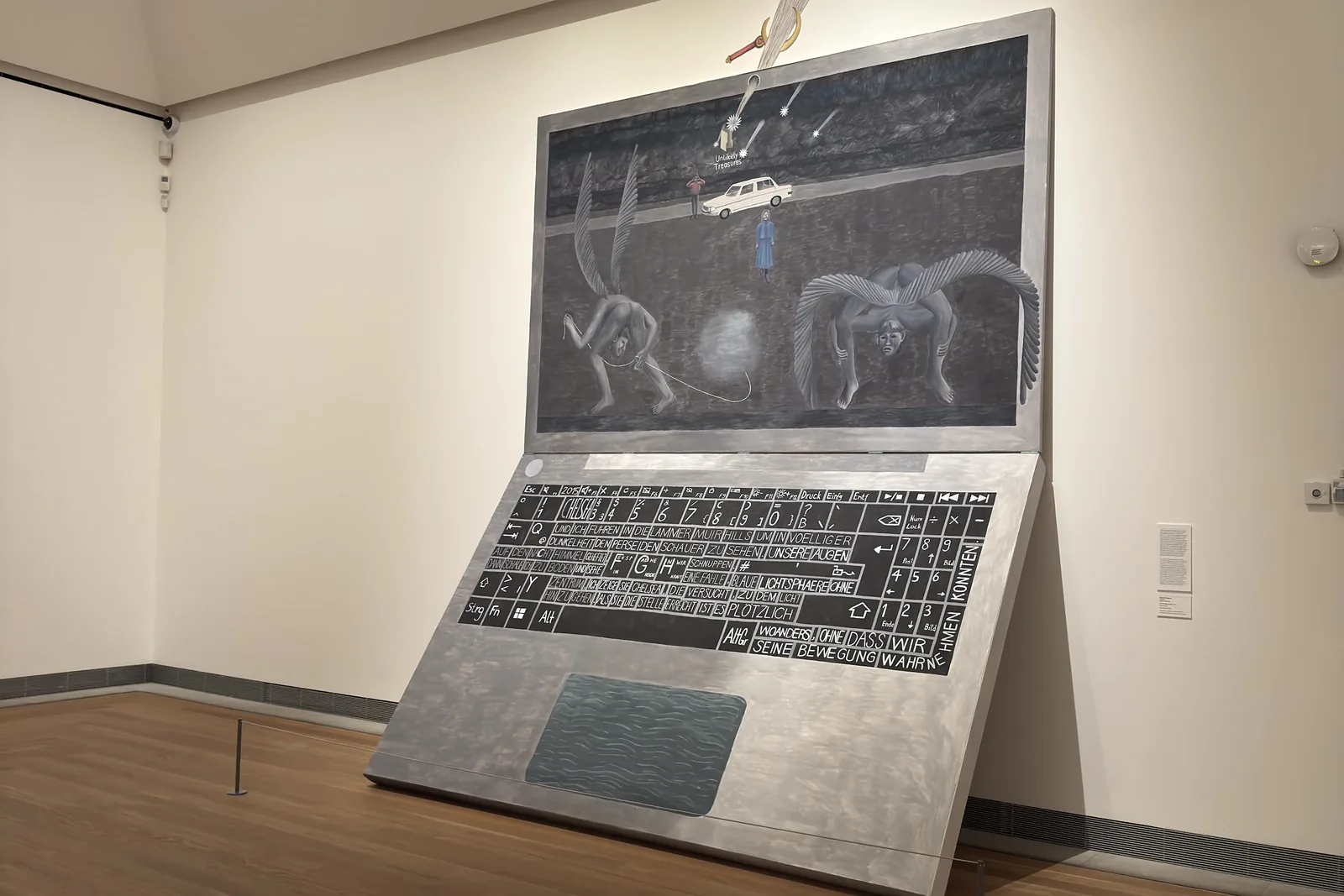
First stop was Moderna Museet, Stockholm’s museum of modern and contemporary art. It has a large permanent collection and regular temporary exhibitions. One piece we remember is a giant laptop-shaped artwork leaning against a gallery wall.
Next door is ArkDes, Sweden’s national centre for architecture and design, where the exhibitions look at how architecture and design shape the places we live and work in. Admission was free for us.
Because the two museums sit side by side, doing both on the same day is easy. The island is also worth a slow walk afterwards. The waterfront paths give good views of the city, and it is much quieter than the central districts.
Day 2: Södermalm and SoFo, Independent Shops and Coffee
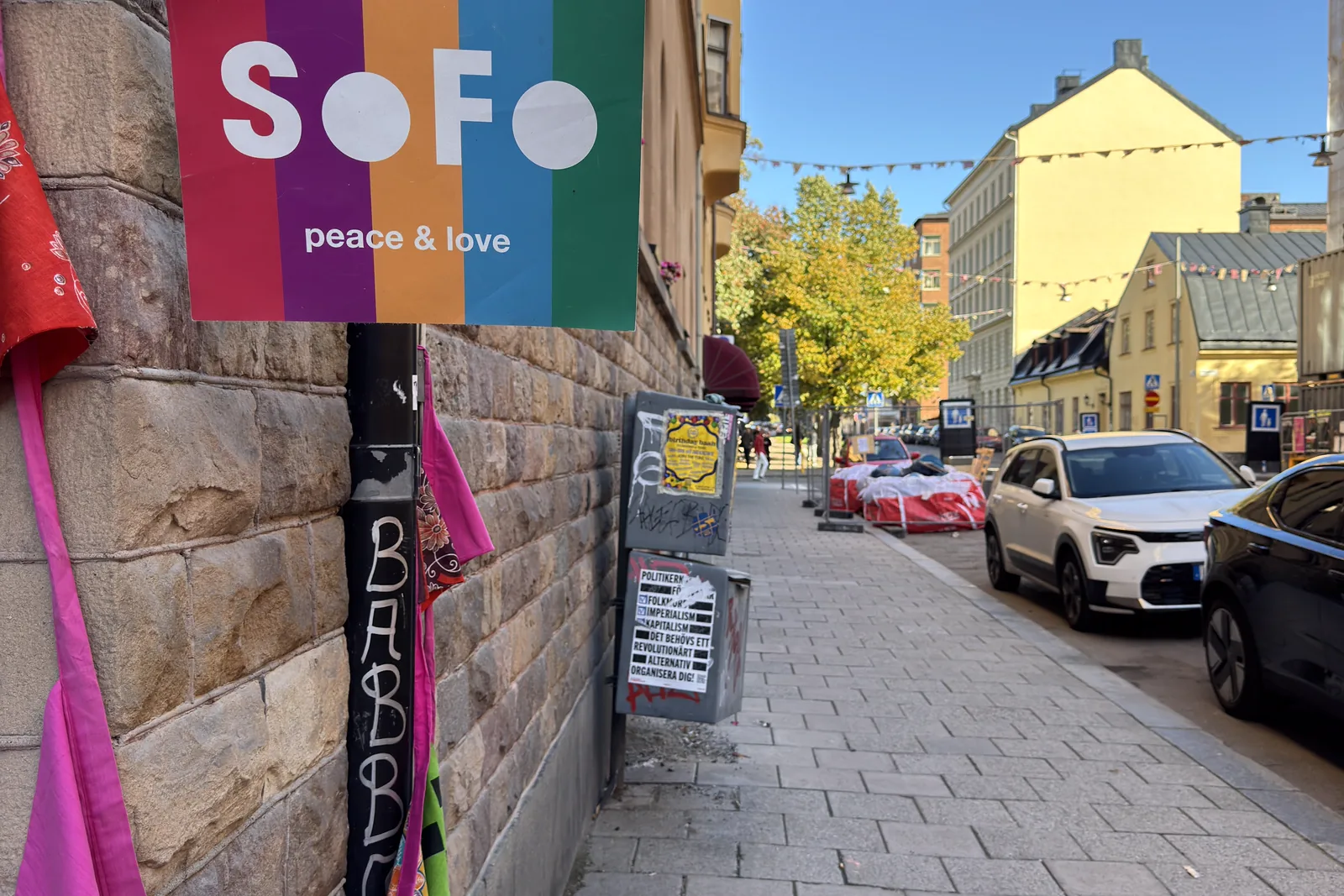
Södermalm is the neighbourhood we were most curious about. It has a relaxed, creative feel, with independent shops, cafés, restaurants and wine bars. SoFo, the area south of Folkungagatan, is where we found most of the boutiques, vintage shops and design stores.
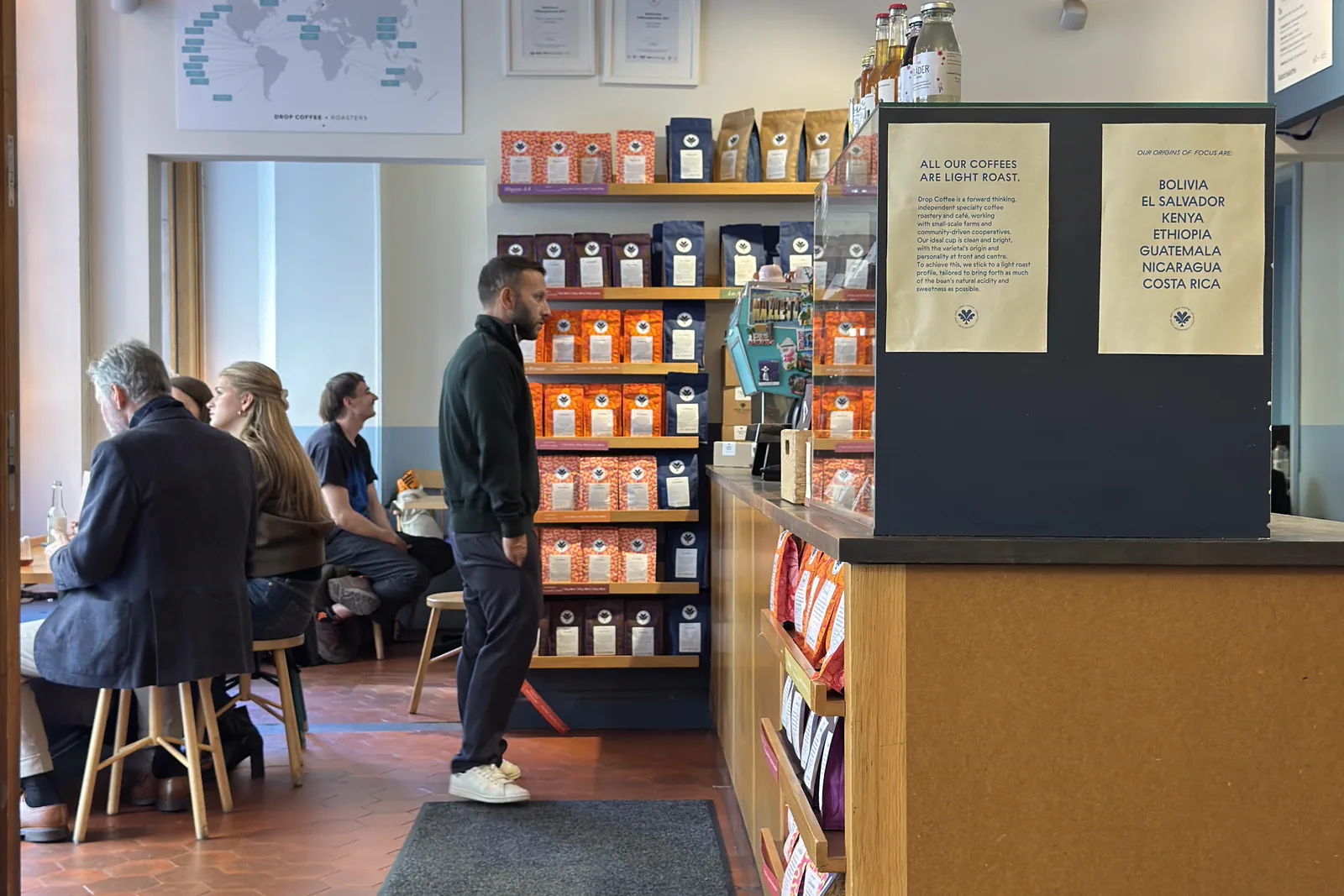
Coffee is part of everyday life in Sweden, and Södermalm is a good place to see the specialty scene. We went to Drop Coffee, a roastery and café close to Mariatorget that focuses on carefully sourced coffee and on the differences between each one.
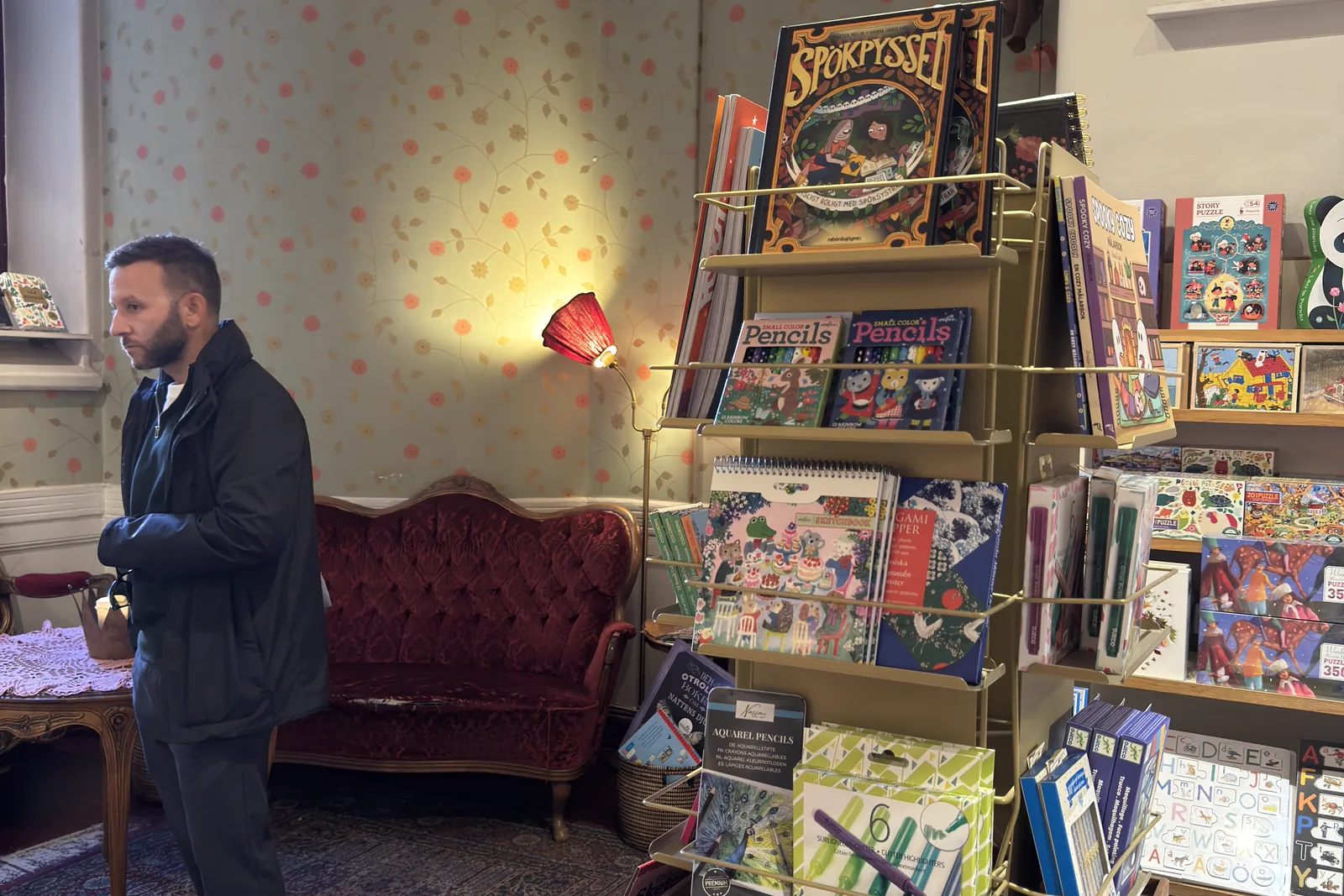
We also stopped at Bokslukaren, an independent bookshop near Mariatorget. It is mostly a children’s bookshop, with books in several languages and a small café.
Södermalm is also a good place to spend the evening, with plenty of restaurants and wine bars.
Our tip: don’t plan every stop. Part of the appeal here is wandering and going in wherever something catches your eye.
Day 3: Gamla Stan, Historic Stockholm
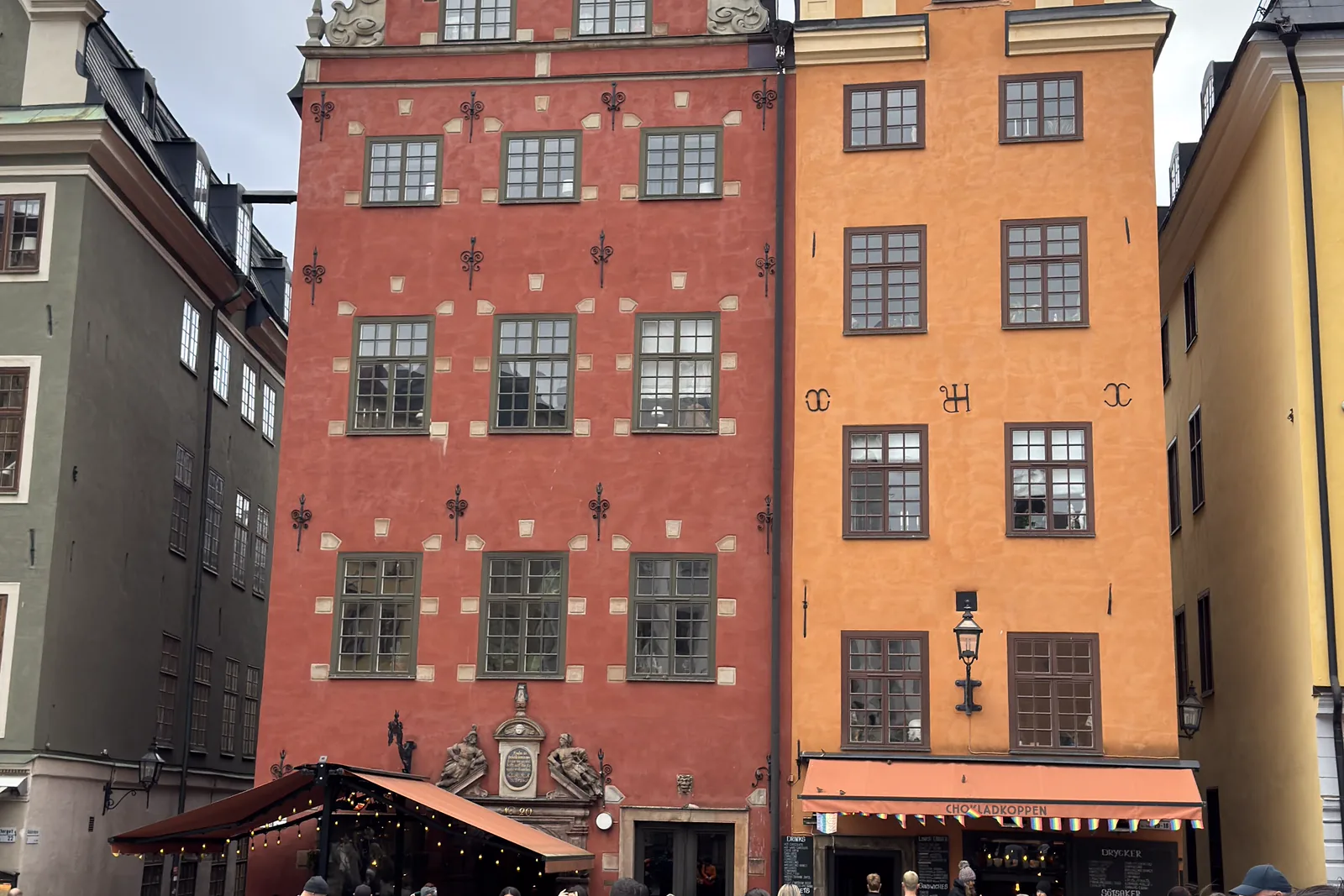
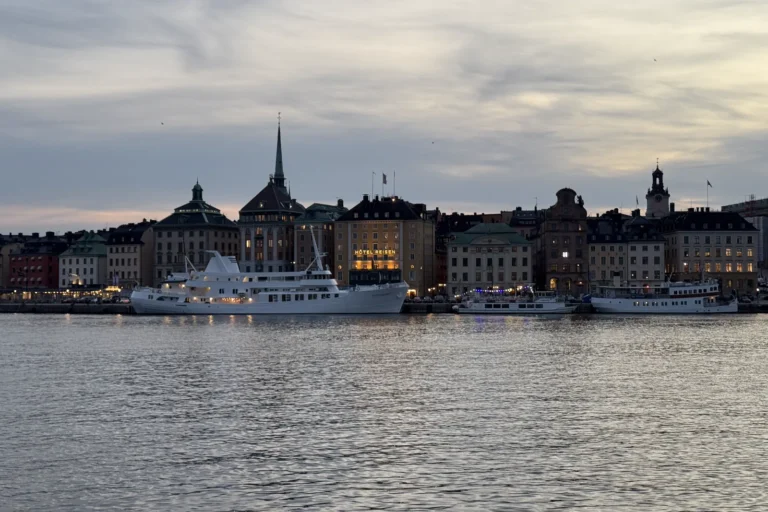
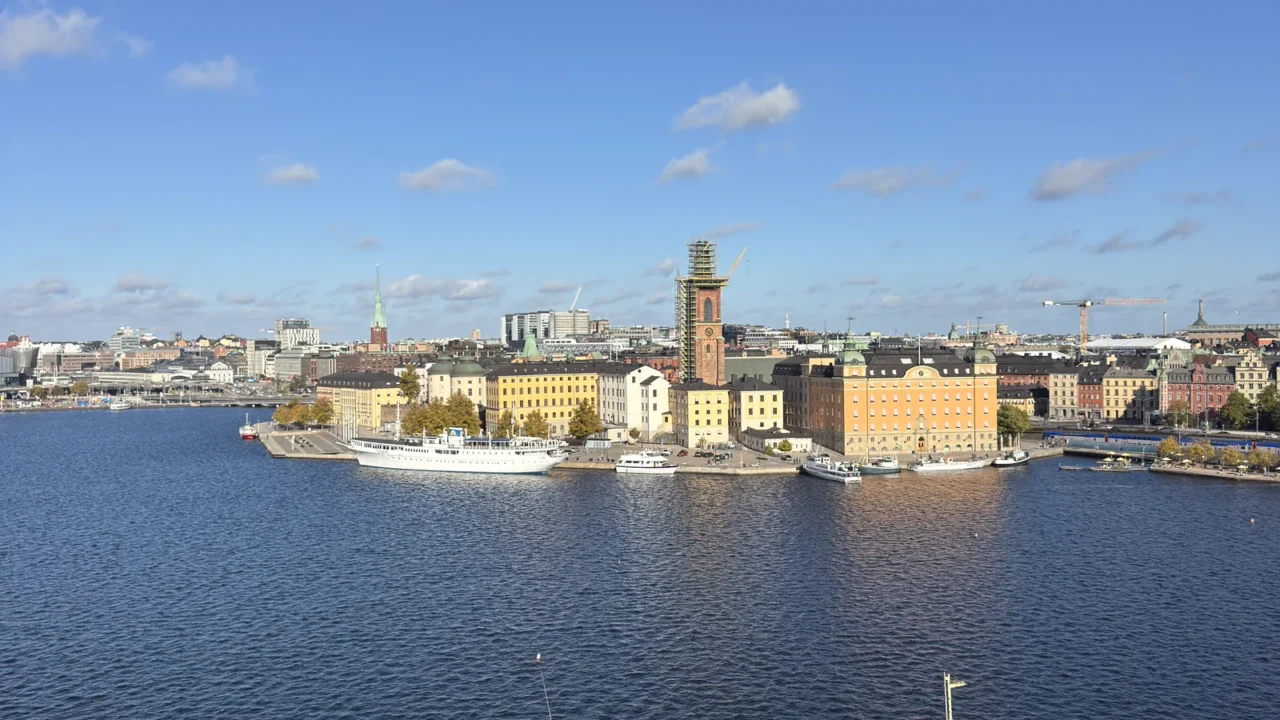
Gamla Stan, the Old Town, feels completely different from Södermalm. It sits on the island of Stadsholmen, with narrow cobbled streets, coloured façades, medieval buildings and small squares.
The best-known spot is Stortorget, the old main square, surrounded by some of the most photographed buildings in the city. The Royal Palace and Stockholm Cathedral are also here, along with lanes of small shops, cafés and restaurants.
We explored it on foot, without a checklist, and the Old Town is also the part of Stockholm where its history is easiest to see.
Day 4: A Day Trip to Uppsala
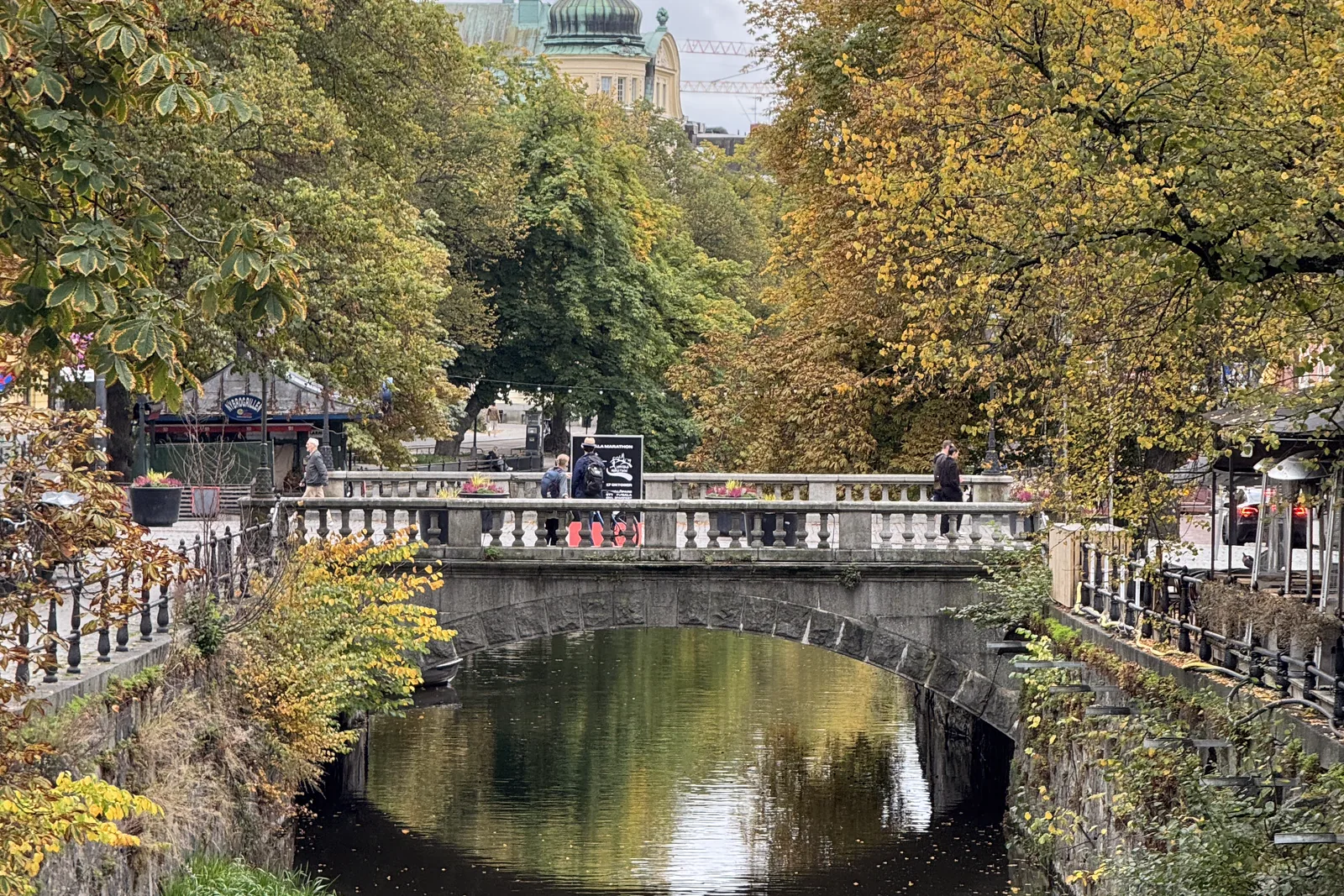
Uppsala is a university city north of Stockholm, and a calmer contrast to the capital.
It is known for Uppsala University, founded in 1477, and for Uppsala Cathedral (Domkyrka), one of Sweden’s best-known landmarks. The centre is easy to cover on foot, with the Fyris River running through it. A walk through the university district, past the cathedral and along the river is a good way to get a feel for the place.
We didn’t plan much beyond that. We simply strolled around the city centre, the cathedral and the university, which is enough for a relaxed day. We also stopped at The English Bookshop, the obvious choice if you want something to read in English.
Trains run regularly from Stockholm Central Station, and the journey took us about 40 minutes. We paid about €20 return per person (October 2026).
Day 5: Norrmalm and Östermalm, Cafés and Food
We spent our last full day in Norrmalm and Östermalm, two central neighbourhoods with a more polished feel.
Norrmalm is the commercial heart of Stockholm, with big shopping streets, cultural venues, cafés and restaurants. We went to Café Pascal, a popular specialty coffee shop and a good stop while exploring the centre. We also visited Vete-Katten, one of the city’s most historic cafés and pastry shops. It is the place to try traditional Swedish pastries in a classic interior.
Skeppsbro Bakery was another stop, with traditional Swedish baking.
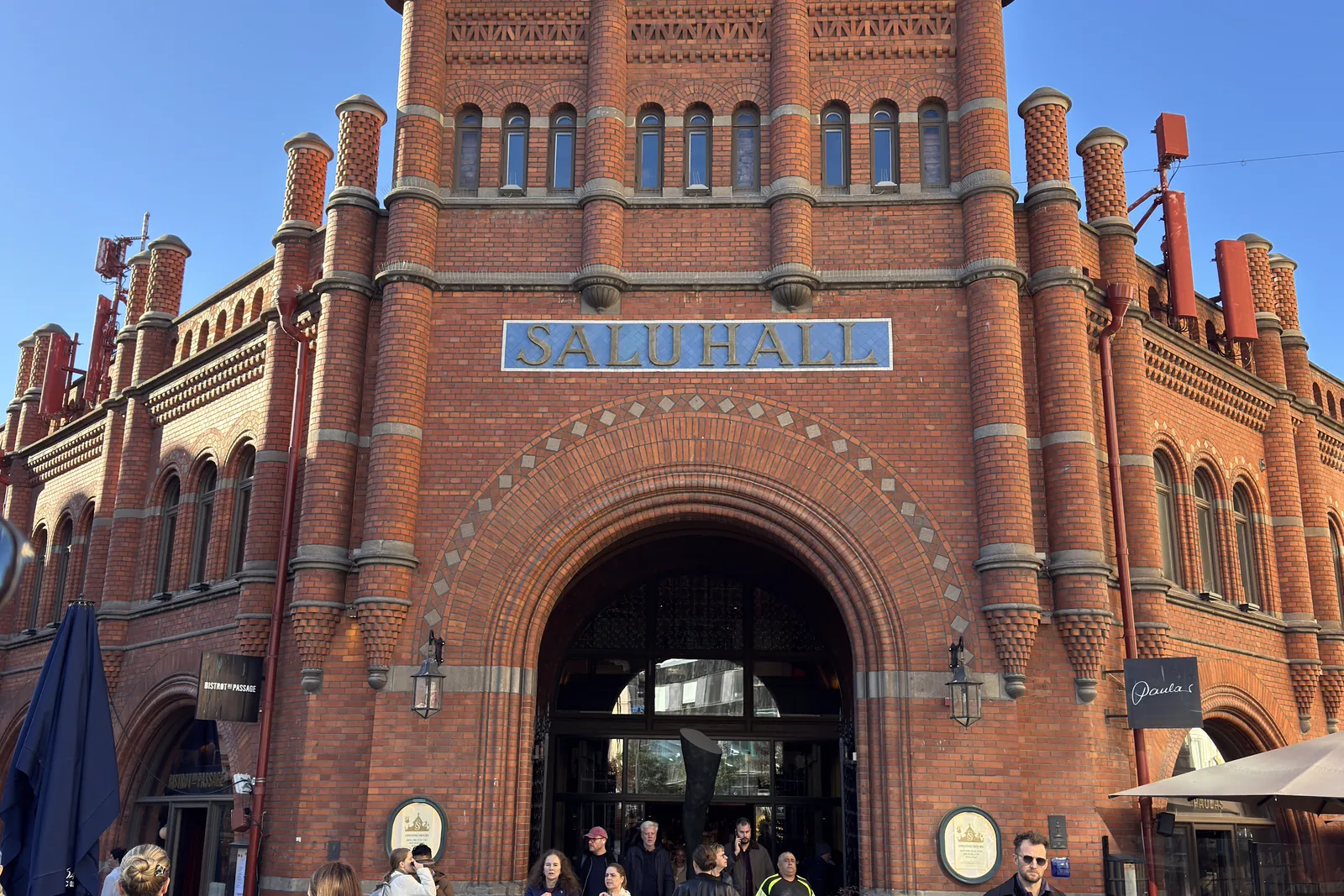
From there we walked on to Östermalm, one of the more elegant parts of the city. The highlight is Östermalms Saluhall, the historic food hall with Swedish ingredients, seafood and several places to eat. The area is also good for restaurants, independent shops and wine bars.
Where to Eat in Stockholm
Stockholm’s food scene mixes traditional Swedish cooking, contemporary Nordic cuisine and international influences. These are the restaurants we visited. A meal came to about €30 per person (October 2026).
Hantverket
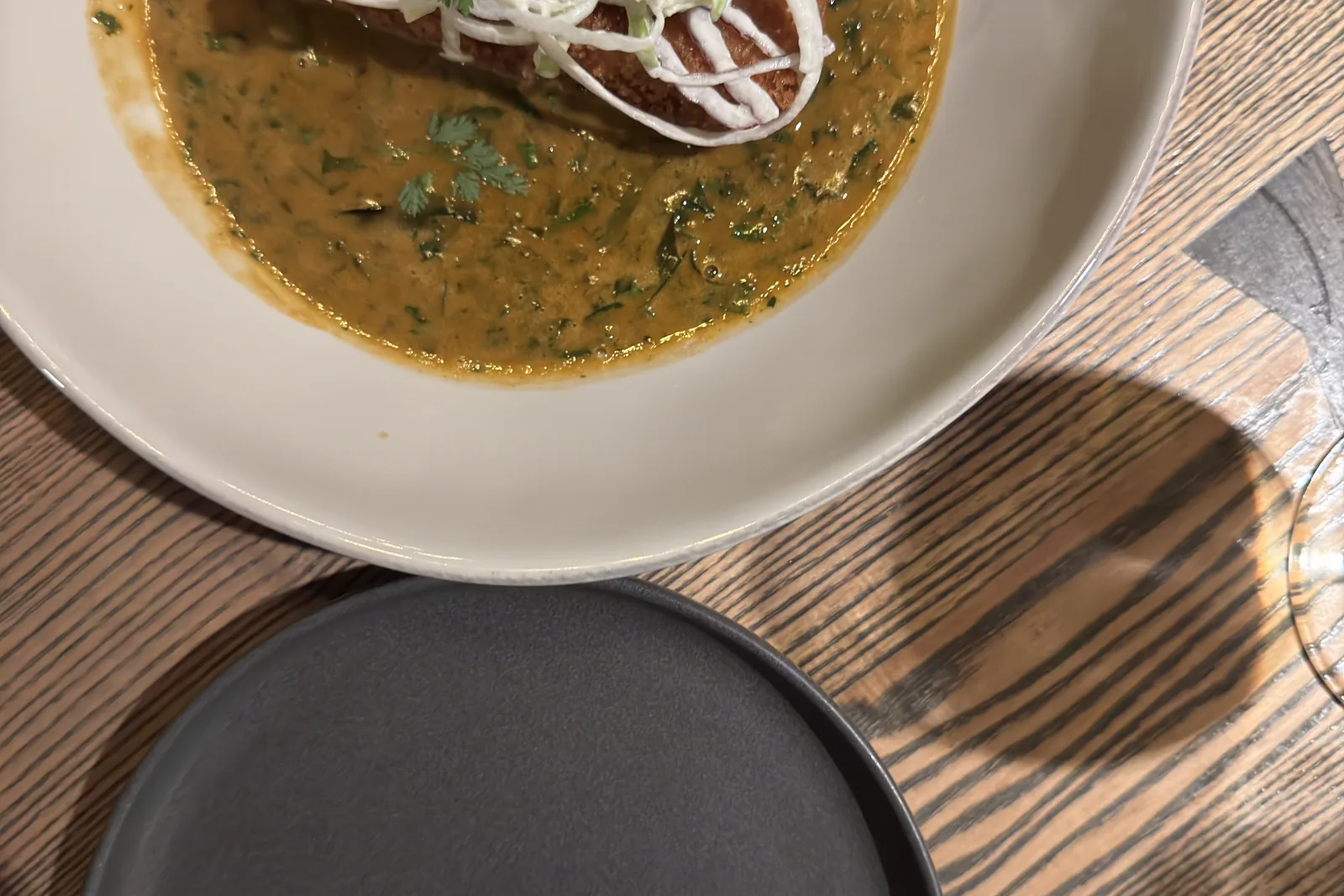
Hantverket is in Östermalm, and it was one of our favourite dinners. The ambience is lovely, the food was great and we loved the wine selection. The menu is built around sharing dishes, which suits a table of two who want to try several things.
Backfickan
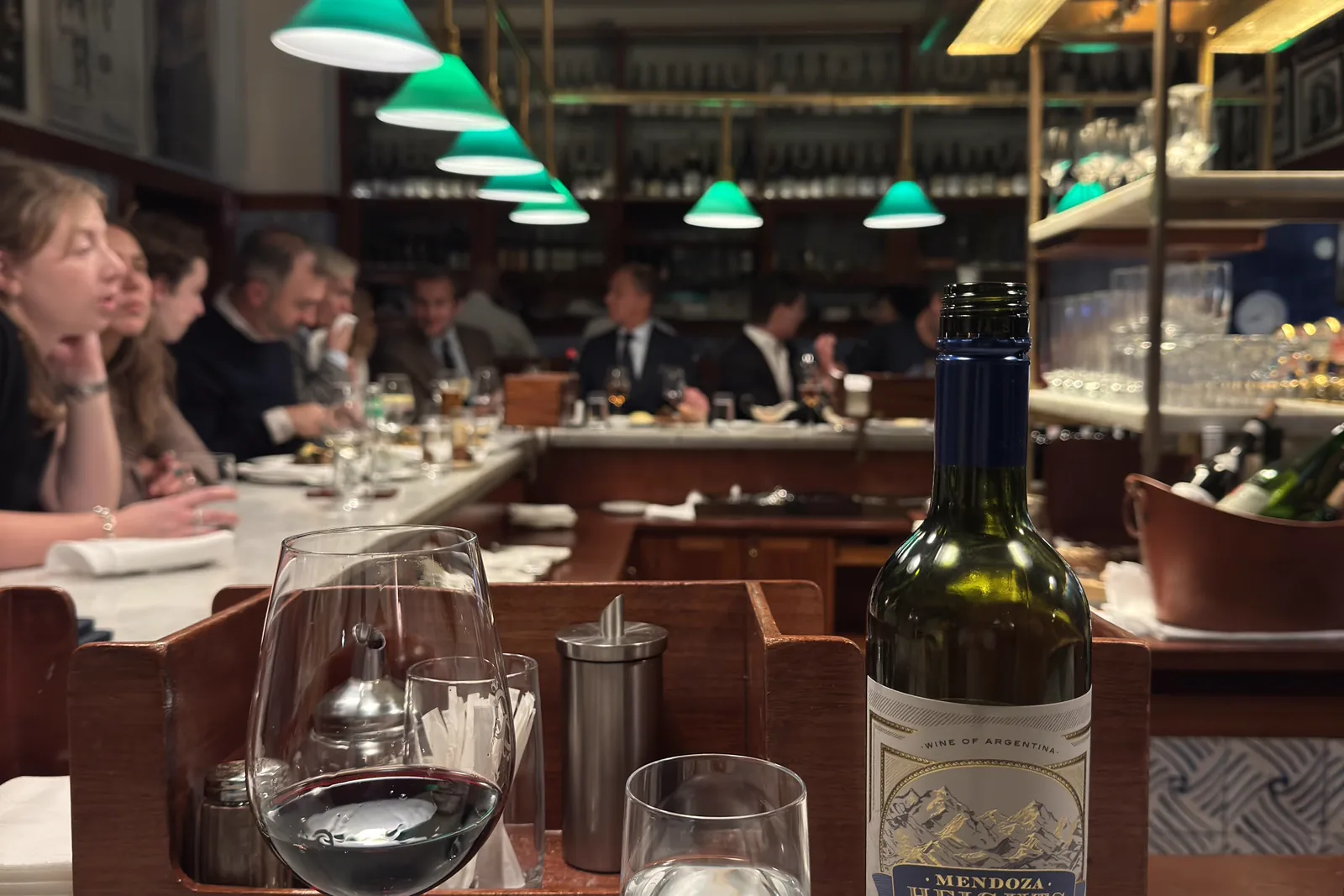
Backfickan is close to the Royal Swedish Opera and serves traditional Swedish food. We had the meatballs and a beef tartare, and both were delicious. We also loved eating at the counter. A good place to try the classics.
Meatballs for the People
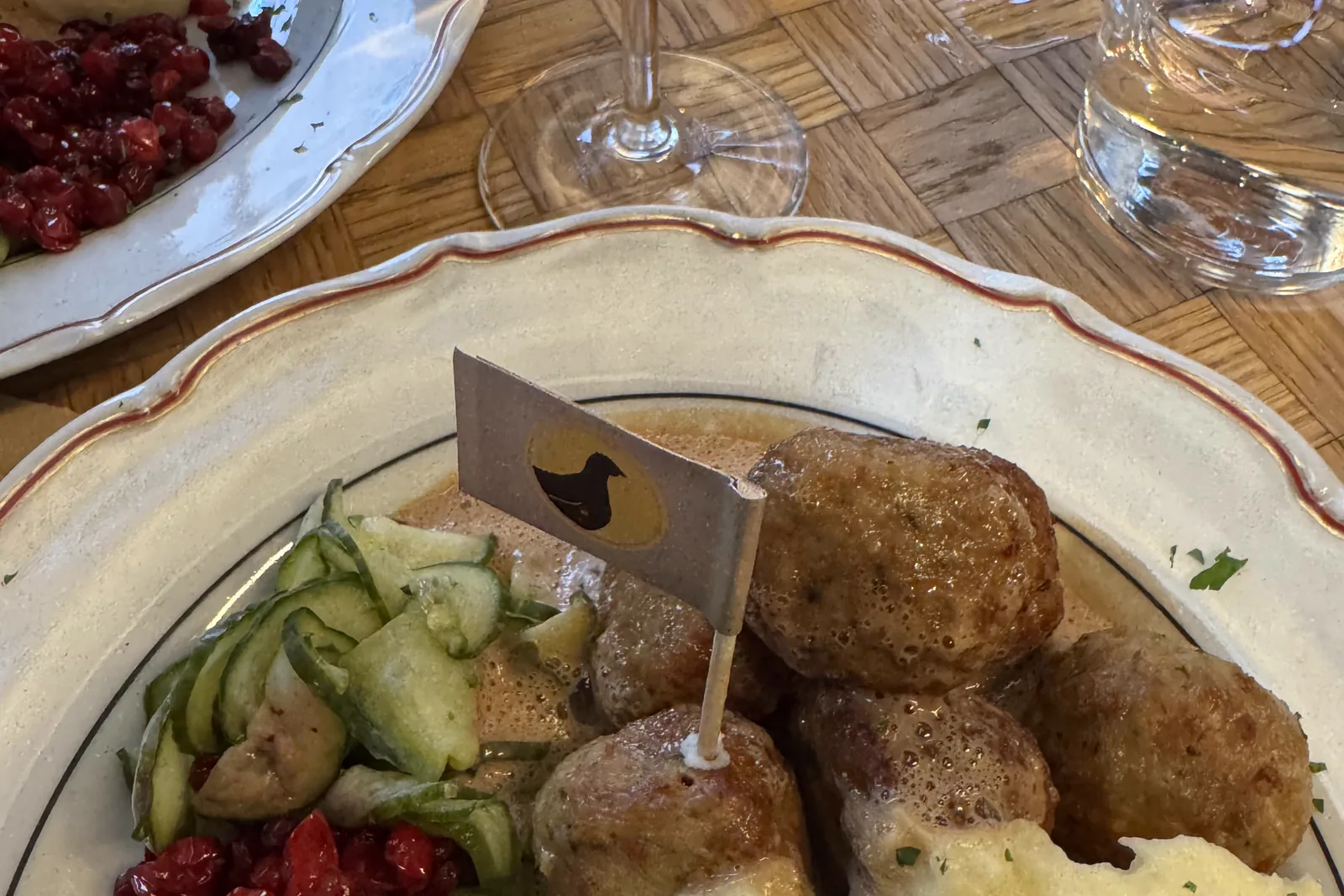
For something more casual, Meatballs for the People is one of the best-known places for meatballs in the city. There is usually a line, but ours moved fast and we were inside quickly. There are many kinds of meatballs, all with the traditional sides, and the atmosphere and the prices were good.
Stockholm’s Wine Bar Scene
We enjoyed the wine bars more than we expected. The city has a growing interest in natural wine and small producers, and the bars are relaxed places where trying something new is the point.
Savant Bar
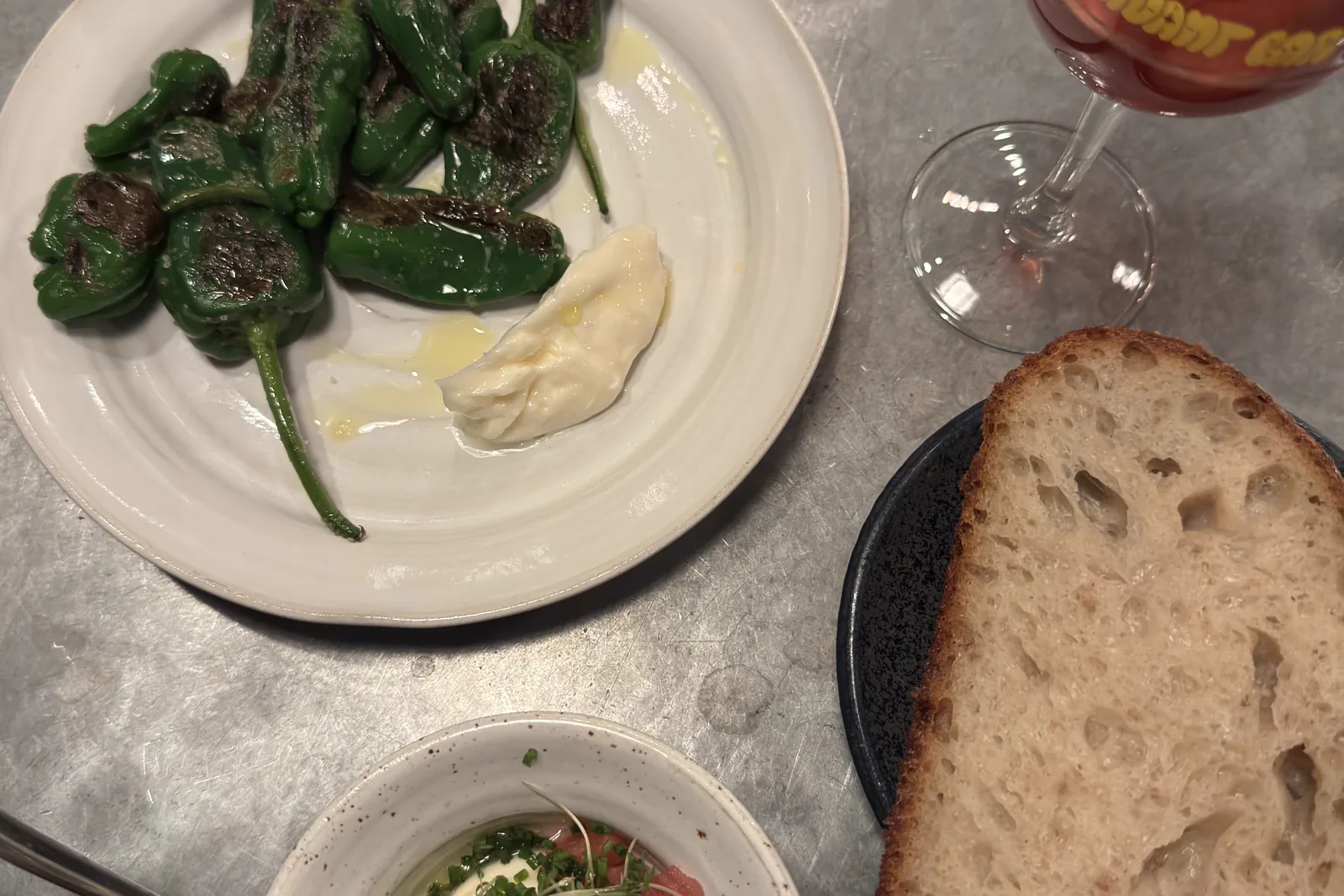
Savant Bar is a coffee shop during the day and a natural wine bar later in the afternoon. We loved the natural wine selection, served with small bites that are mainly vegetarian, and the atmosphere was very relaxed.
NOFO Wine Bar
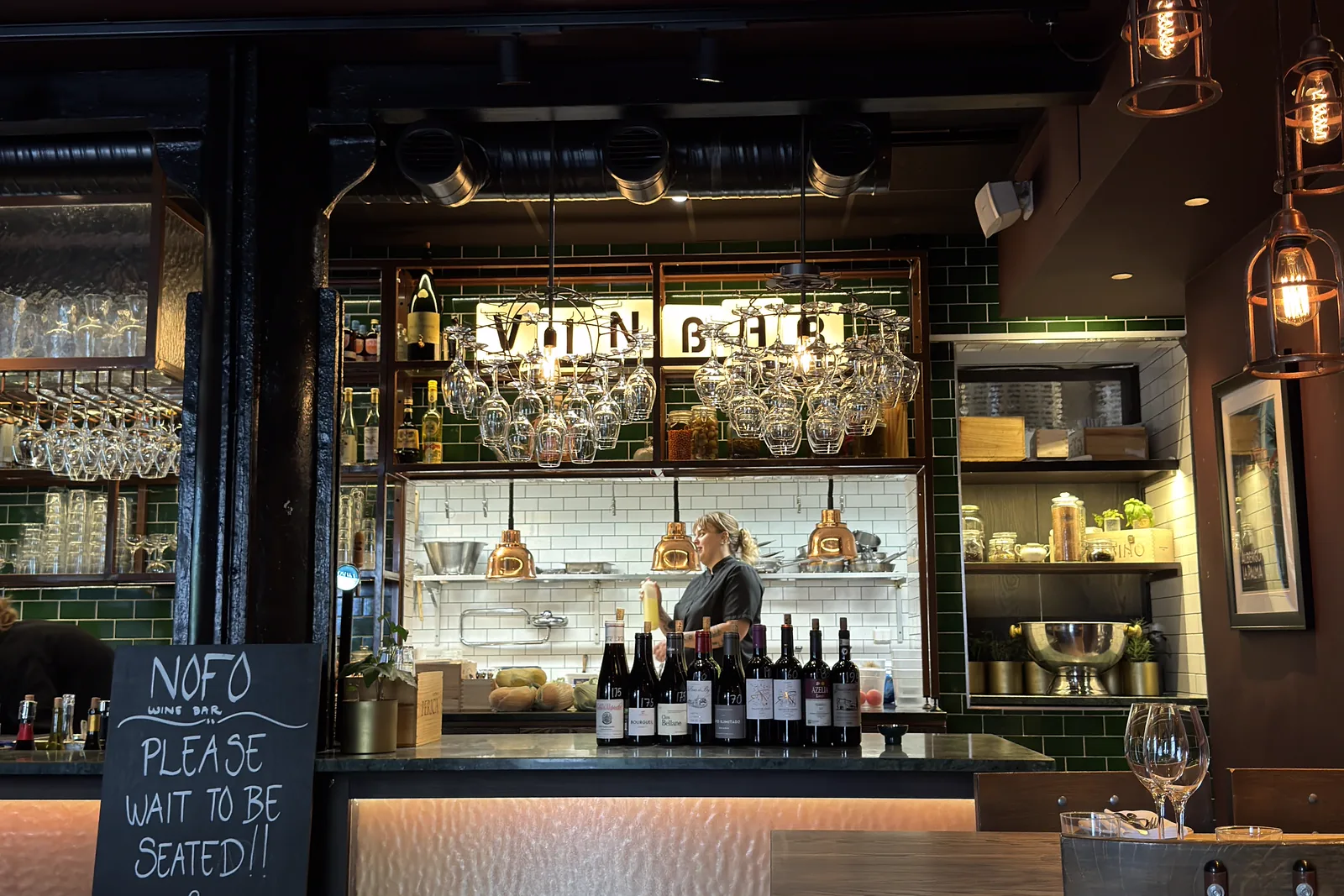
NOFO Wine Bar is in Södermalm. We only stopped for a glass of wine, and it is a nice place, with outdoor seating too. The food menu looked good, but we didn’t eat anything there.
Fika & Wine

Fika & Wine brings together two Swedish habits: fika, the coffee and pastry break, and wine. It works both as a place for fika and as a restaurant with traditional food, and the wine selection is great.
The Best Coffee Shops in Stockholm
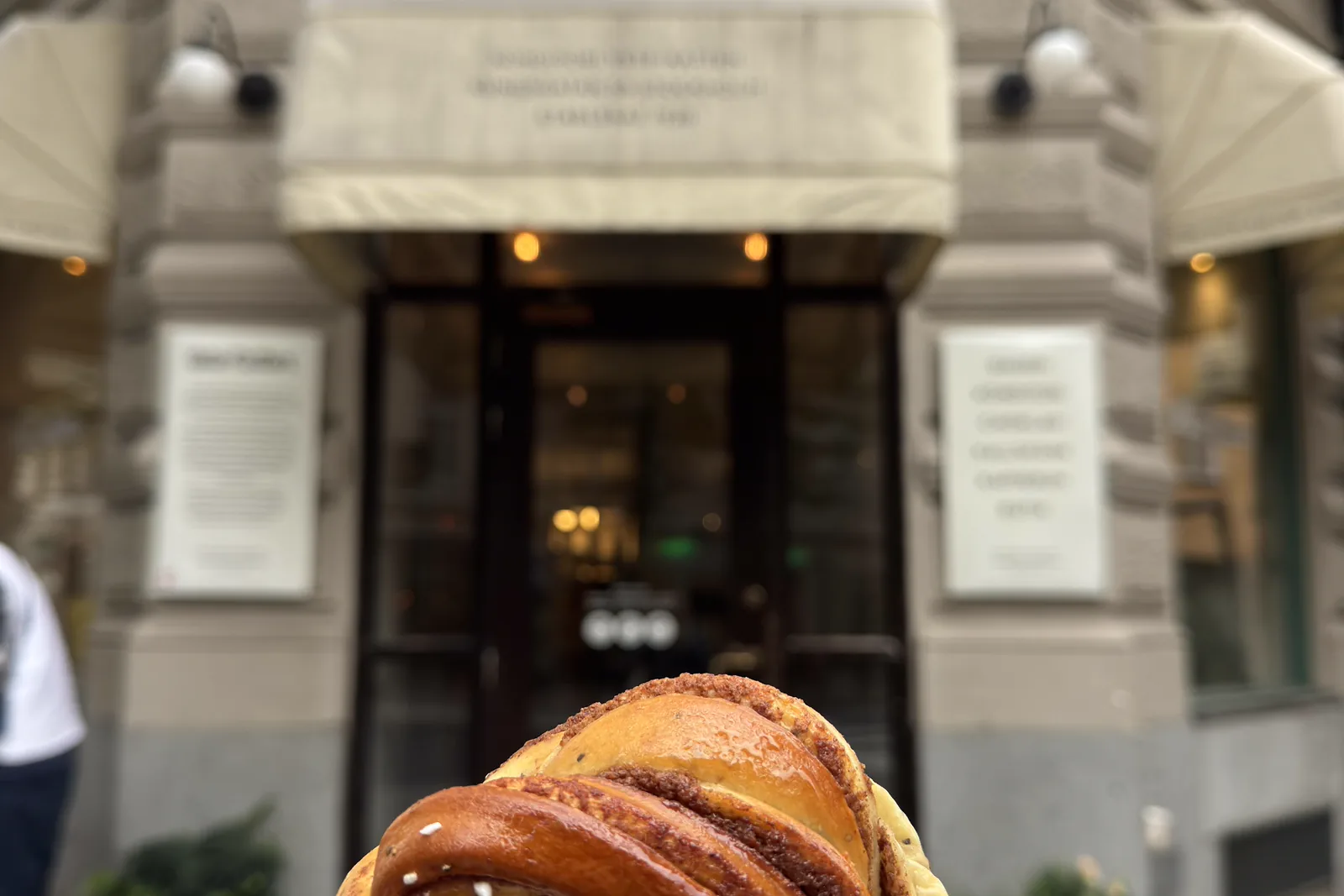
Fika, the social ritual of stopping for coffee and something sweet, is an everyday habit in Sweden, so coffee gets its own section here. These are the cafés we visited:
- Drop Coffee: for specialty coffee lovers, with a focus on sourcing and brewing methods.
- Café Pascal: good coffee in a contemporary setting.
- Skeppsbro Bakery: traditional Swedish baking and fresh pastries.
- Vete-Katten: a historic café, and a contrast to the modern specialty places.
Bookshops in Stockholm and Uppsala
Stockholm has several independent bookshops. We visited two, one in each city:
- The English Bookshop (Uppsala): a good stop for books in English, and worth a look even if you don’t plan to buy.
- Bokslukaren: a small independent shop near Mariatorget specialising in children’s books, with titles in several languages. A nice stop for families and anyone who likes illustrated books.
Stockholm Travel FAQs
How Many Days Do You Need in Stockholm?
We’d say at least four or five full days to see the city beyond its headline sights. Five days gave us time for several neighbourhoods, museums, good food and the Uppsala day trip without rushing. With less time, prioritise Gamla Stan, Södermalm and Skeppsholmen.
Where Should You Stay in Stockholm?
We stayed in Norrmalm, at Scandic Go Upplandsgatan 4, for about €100 a night in October 2026. It was a practical base, within walking distance of the main shopping streets, with the metro and buses close by.
How Do You Get Around Stockholm?
The centre is very walkable. We mixed walking with public transport, using single tickets in the SL app.
Is a Day Trip to Uppsala Worth It?
For us, yes. The train from Stockholm Central Station took about 40 minutes and cost about €20 return per person. We strolled around the city centre, the cathedral and the university, and stopped at The English Bookshop.
When Is the Best Time to Visit Stockholm?
Spring and summer bring longer days and warmer weather. We went in October, when the city was quieter and the autumn colours were out in the streets and parks. Winter has much shorter days.
Is Stockholm Expensive?
Yes, especially restaurants, accommodation and alcohol. In October 2026 we paid about €100 a night for the hotel, about €4 for a coffee on average, about €30 per person for a meal and €20 return per person for the train to Uppsala. Free museums such as ArkDes, neighbourhood cafés and public transport help keep costs down.
Final Thoughts: Is Stockholm Worth Visiting?
Yes, if you like a city you can explore on foot and at your own pace. Our favourite days were the ones with the fewest plans: wandering through SoFo, sitting at the counter at Backfickan and stopping for a glass of wine at NOFO.
If you want more ideas for a city break in Europe, have a look at our guides to where to stay in Paris and Lisbon. For Stockholm, give it at least five days and leave room for the unplanned stops.