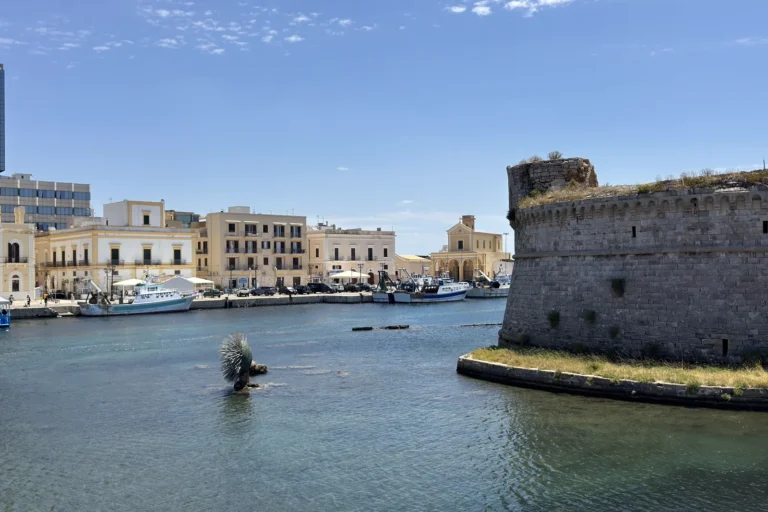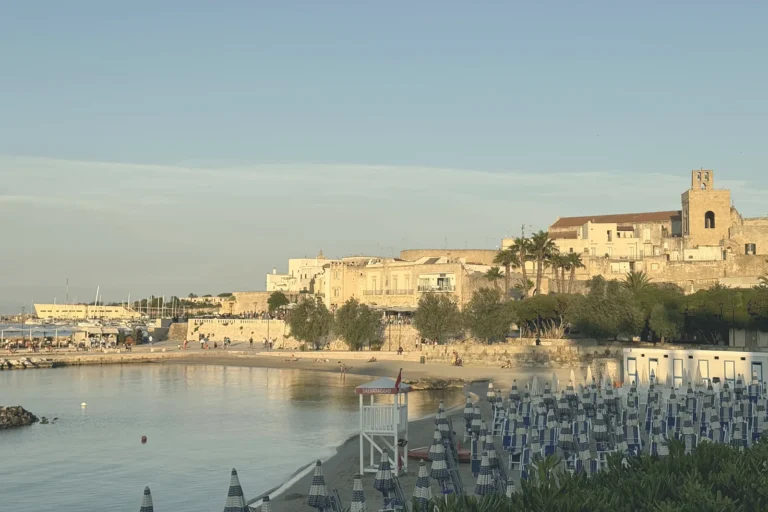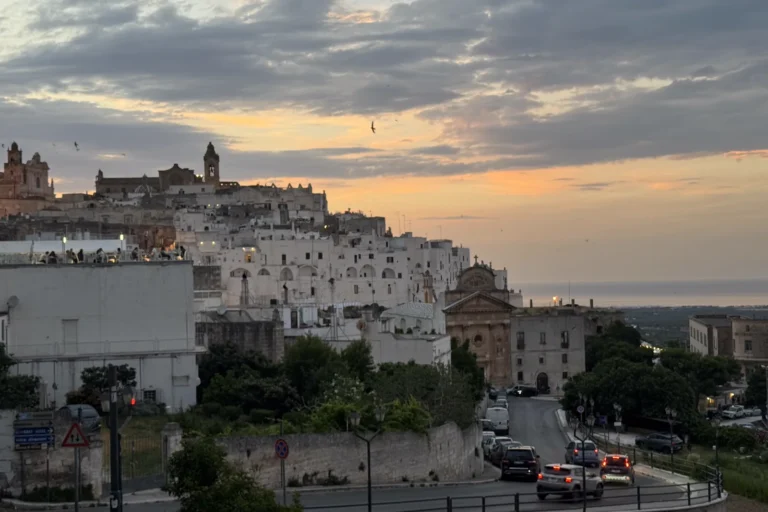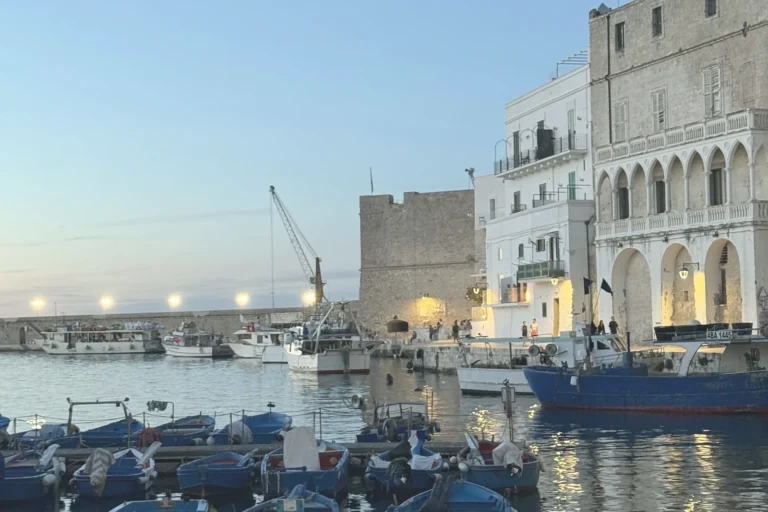
We spent 10 nights in Puglia in June 2026, from June 4 to 14, flying in and out of Bari. We rented a car, used five bases (Monopoli, Ostuni, Otranto, Gallipoli and Matera) and drove from place to place for eleven days.
This is the itinerary exactly as we did it, day by day: what we visited, where we ate, which beaches we chose and what changed along the way. The stays, the nights and the prices are in our where-to-stay guide, linked near the end.
This article contains affiliate links. If you book through them, we may earn a commission at no extra cost to you.
In this article
Itinerary Summary
Length: 10 nights, 11 days. Arrival and departure: Bari. Transport: rental car.
– Monopoli (base for Bari and Polignano a Mare): 2 nights. – Ostuni (Itria Valley): 3 nights. – Otranto (eastern Salento): 2 nights. – Gallipoli (western Salento): 2 nights. – Matera: 1 night. – Bari: only the arrival and the last day, no overnight stay.
- Bari
- Monopoli
- Polignano a Mare
- Ostuni
- Alberobello
- Lecce
- Otranto
- Santa Maria di Leuca
- Gallipoli
- Ceglie Messapica
- Matera
Should You Rent a Car in Puglia?
A rental car is essential for this itinerary, and we booked through DiscoverCars (affiliate link). Almost everything here sits away from train and bus lines worth planning around: the Itria Valley towns (Alberobello, Locorotondo, Cisternino), the Salento beaches and the masserias.
What cost us was parking, which is paid in most towns, the limited traffic zones (ZTL) in the historic centers and the narrow streets in some places. We wrote up the rental, what we paid and what the driving was like in our guide to renting a car in Puglia, so we won’t repeat it here.
Travel Insurance or the European Health Card?
The European Health Insurance Card helps, but it only covers basic care in the public system. For a road trip with many transfers, we took a full travel insurance policy with Heymondo, which covers cancellations, baggage problems, faster assistance and extra expenses. We explain the difference in do you need travel insurance?.
Puglia Itinerary Day by Day
Day 1: Bari and Monopoli
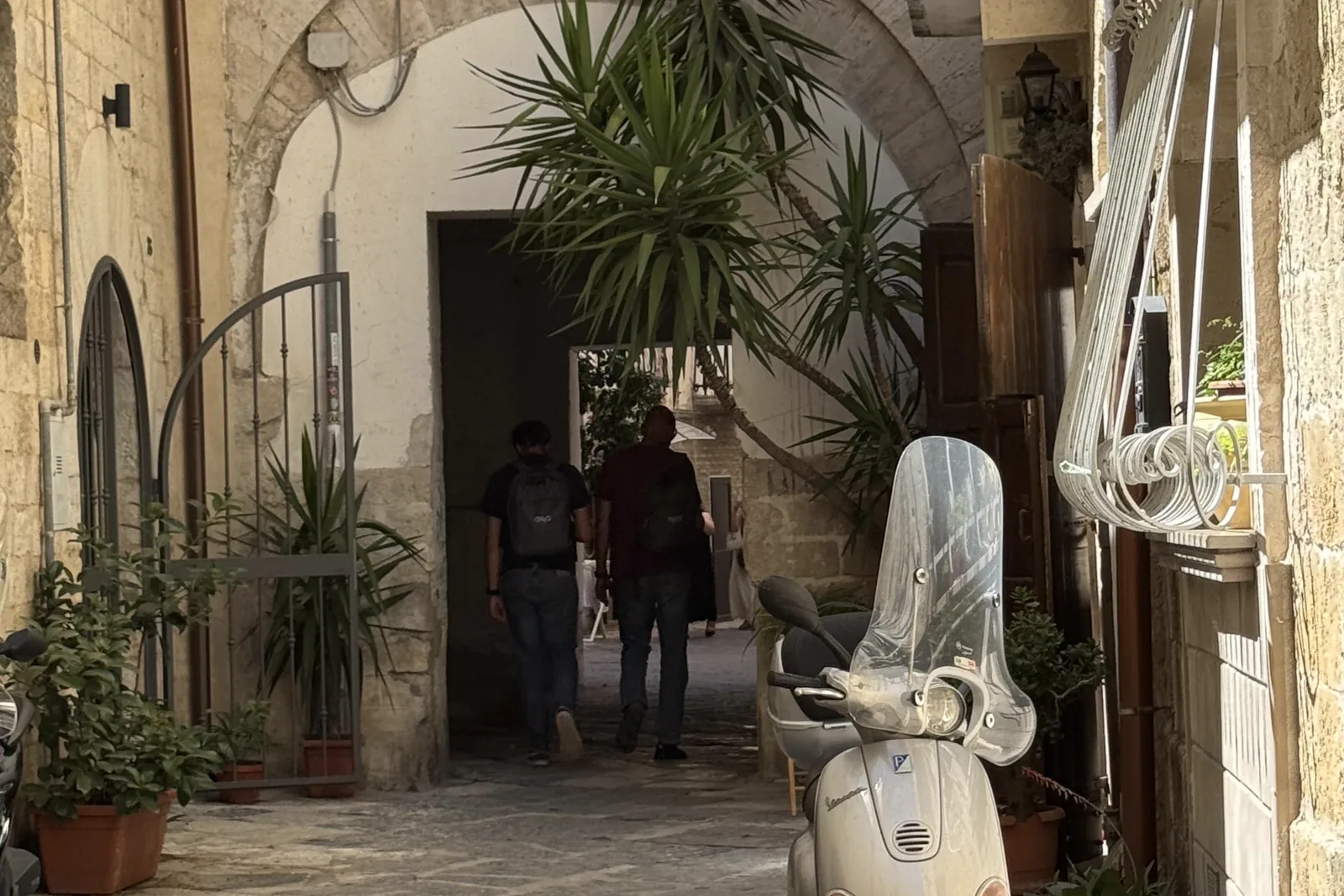
Our flight landed in Bari in the morning, and we picked up the car at the airport. Lunch was in Bari, then a walk through the historic center. To us, Bari is well worth a visit: we liked the narrow lanes and courtyards of the old town best, and the food.
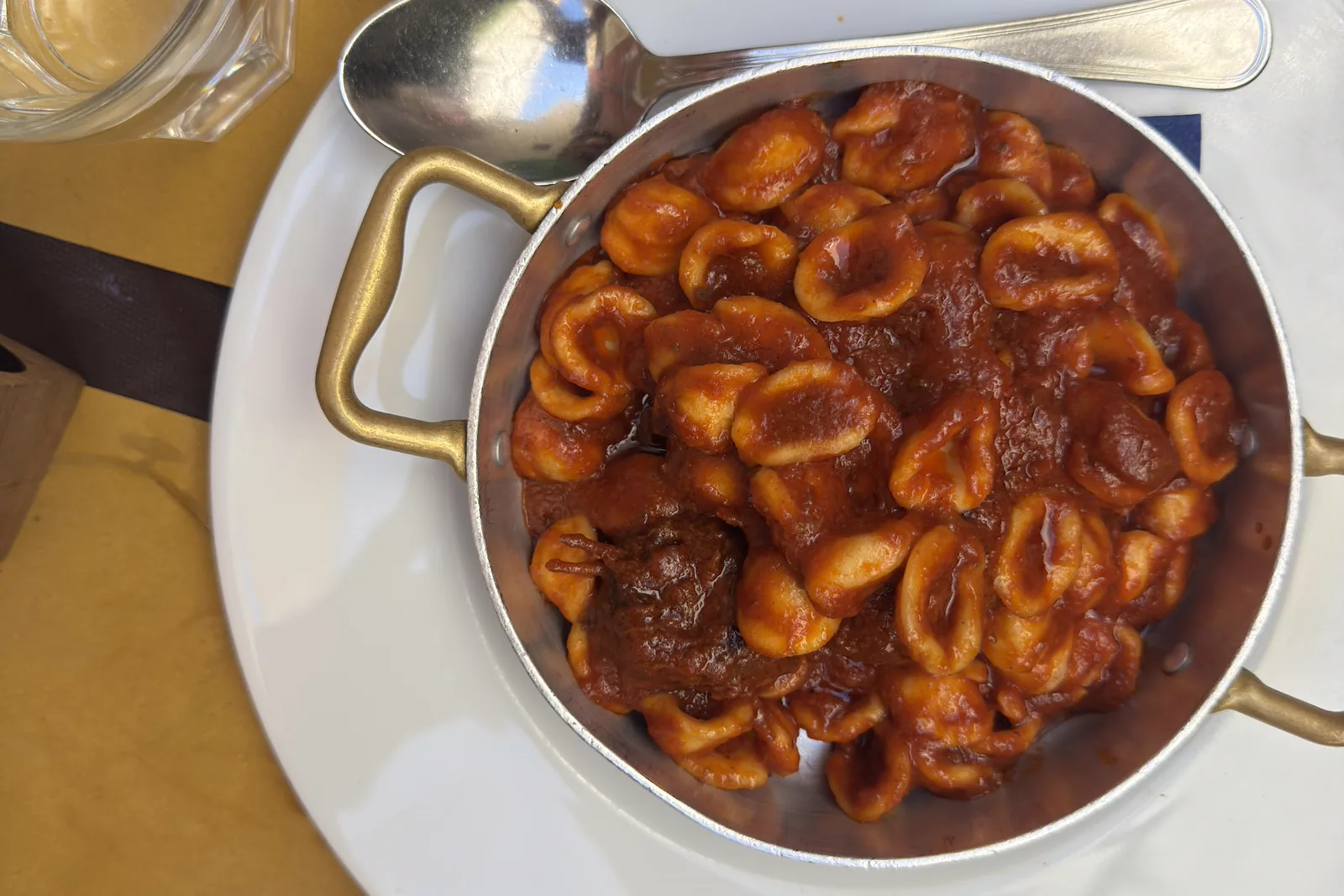
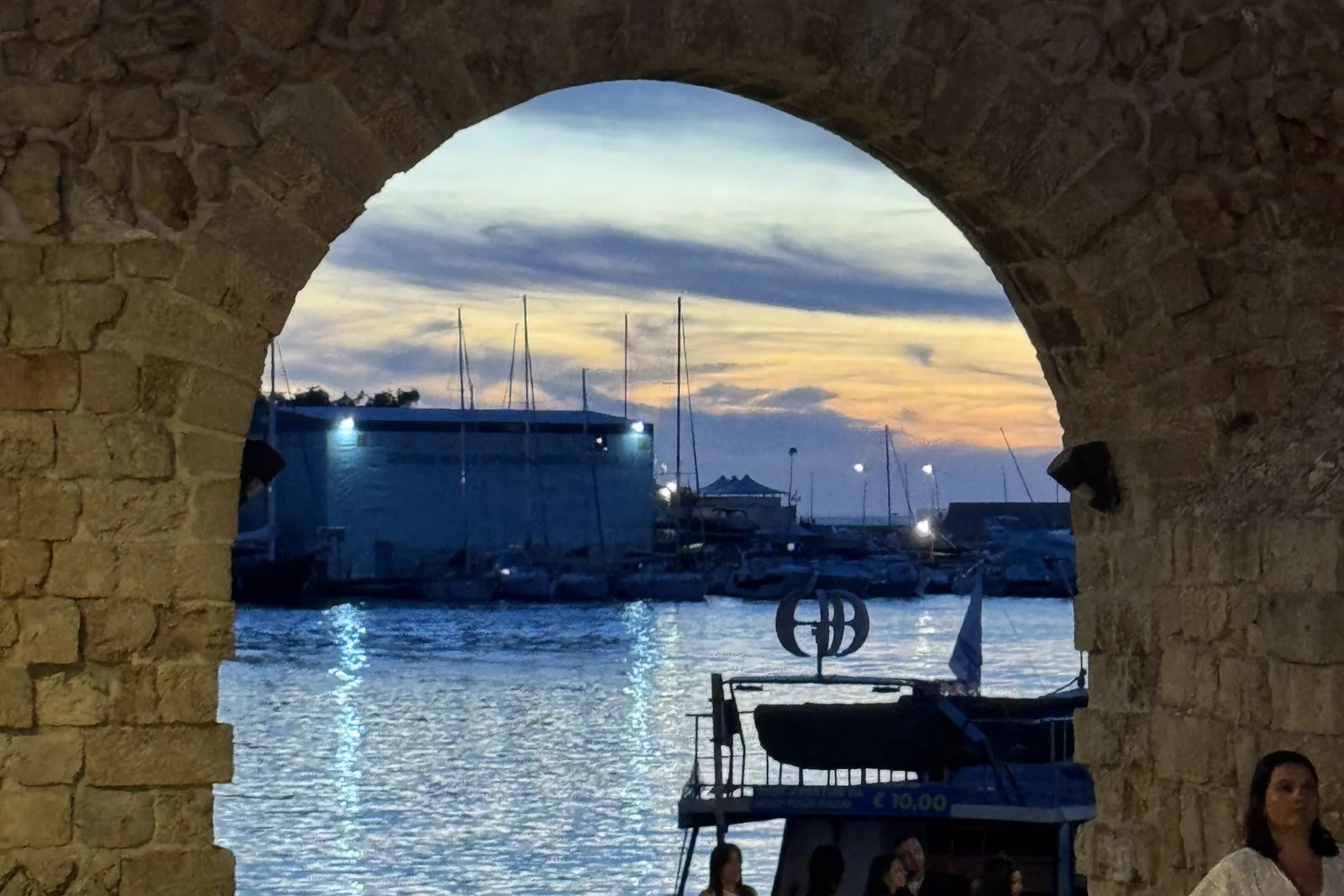
Next came Monopoli, where we stayed at Masseria Guardian’s House, which we highly recommend. For other options, see our guide on where to stay in Monopoli. Staying outside the center meant we didn’t have to hunt for parking. In the evening we walked around the old town, had dinner at Magnapulia and got gelato at Bella Blu Gelateria. Monopoli is well worth it as a base, and what we liked most was the harbor at the end of the day.
Day 2: Polignano a Mare
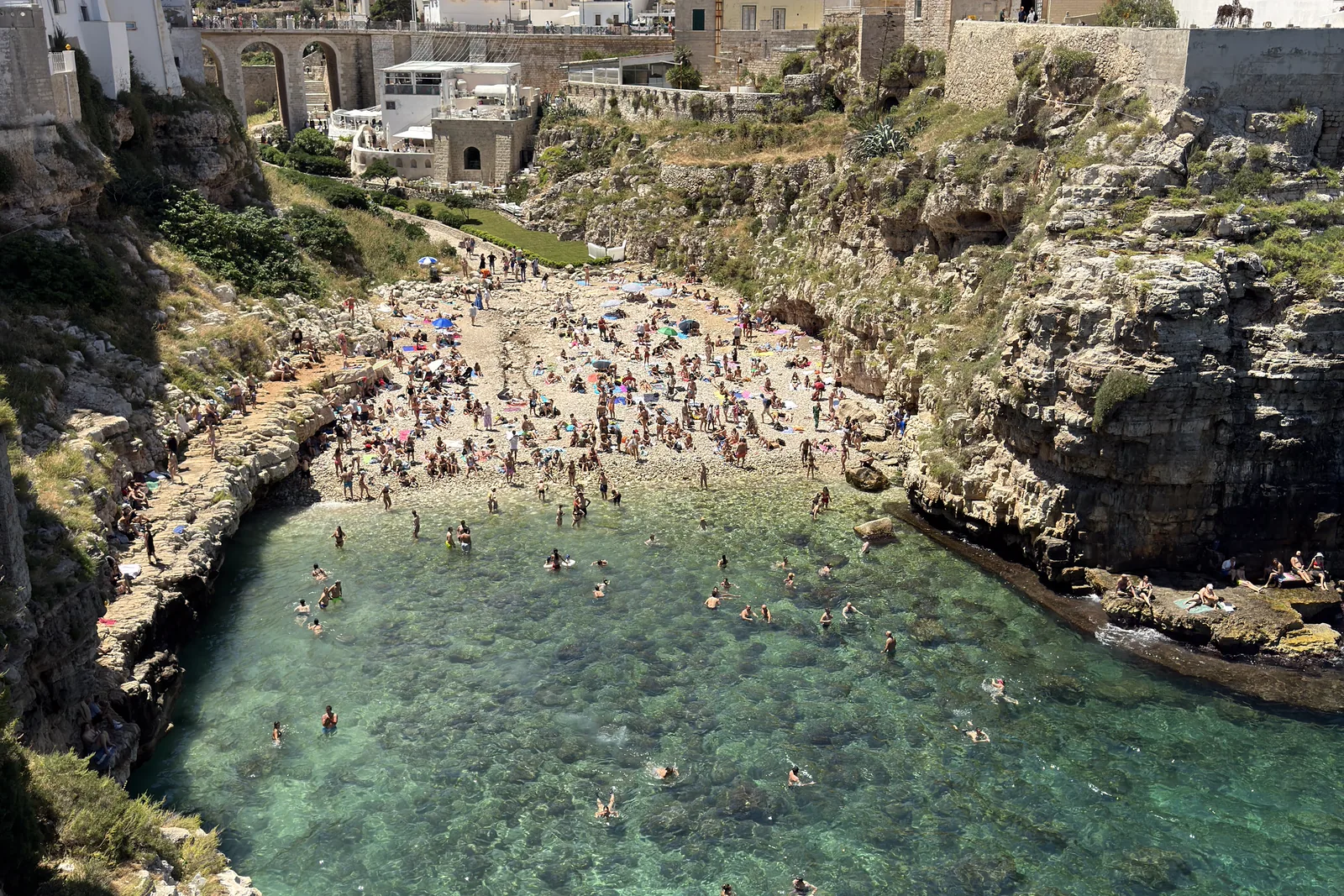
The day belonged to Polignano a Mare. We explored the town and went to see Lama Monachile beach from above, a narrow cove between cliffs with turquoise water and plenty of people. Polignano a Mare is worth it, even with all those people. We had a drink with a sea view.
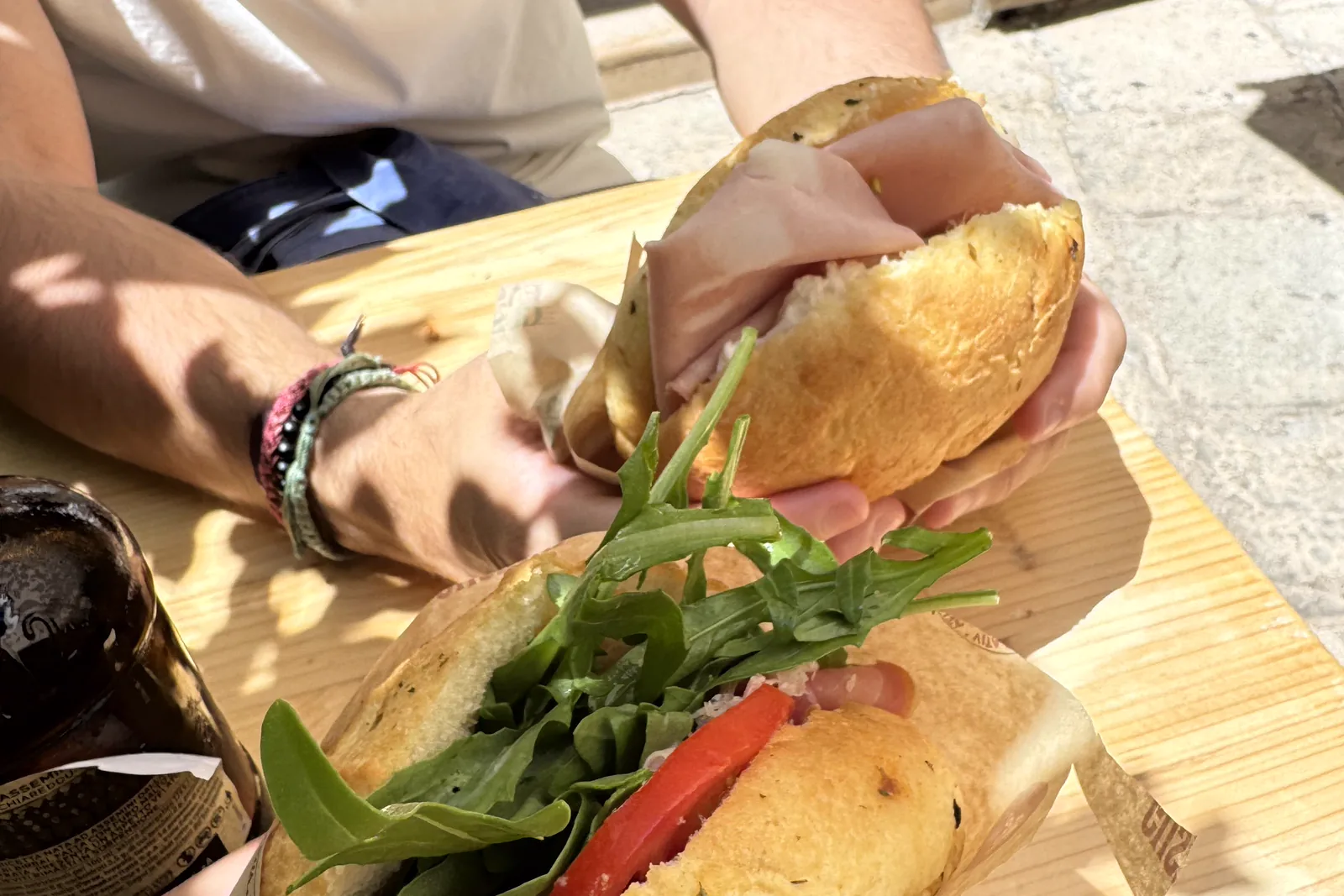
Lunch was at Gustavo: the sandwich was good, nothing special. Then back to our stay. Dinner was at Masseria Spina Resort.
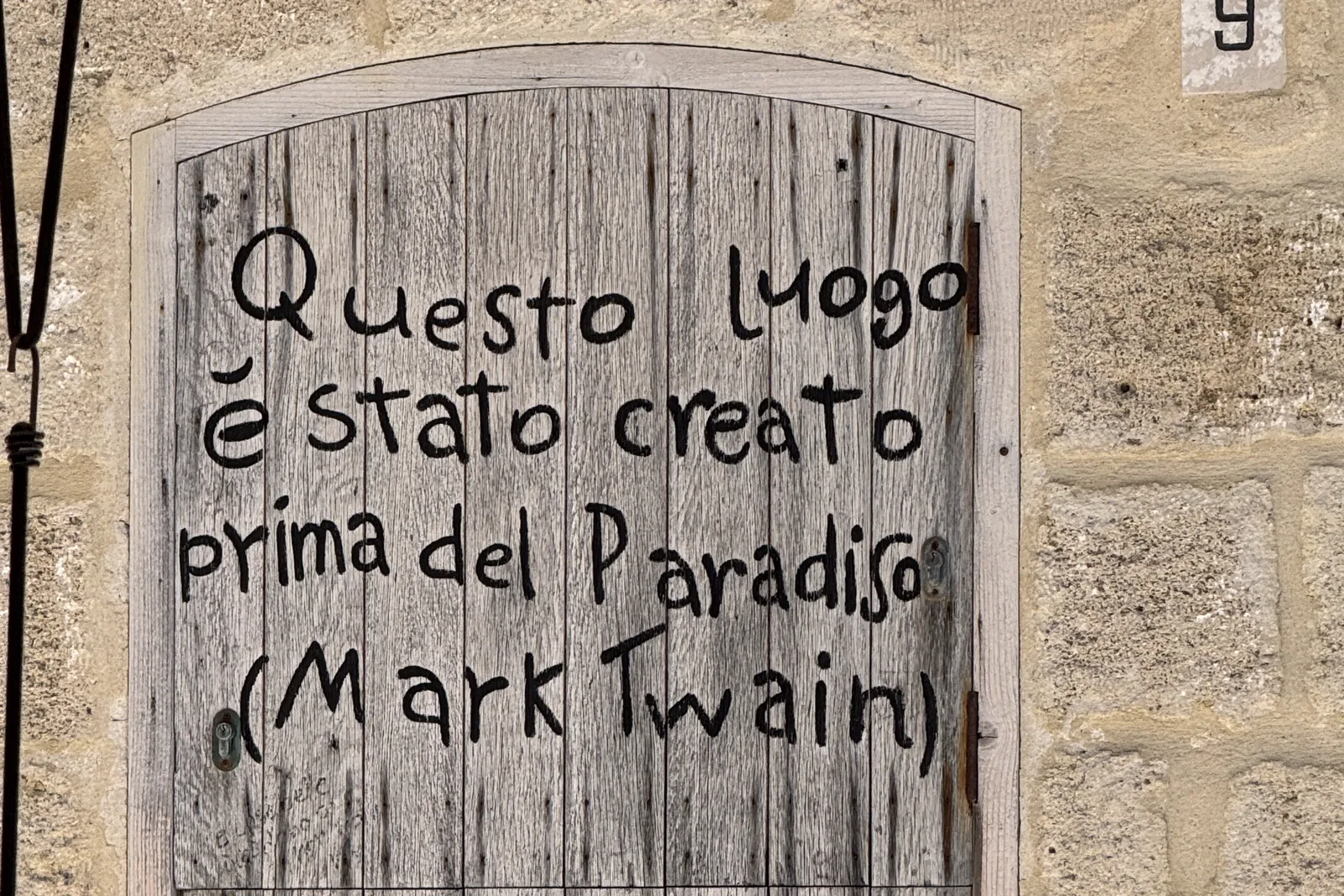
In one of the alleys there is a wooden door with a handwritten line with Mark Twain’s name in brackets (we did not check whether it is really his).
Day 3: Ostuni
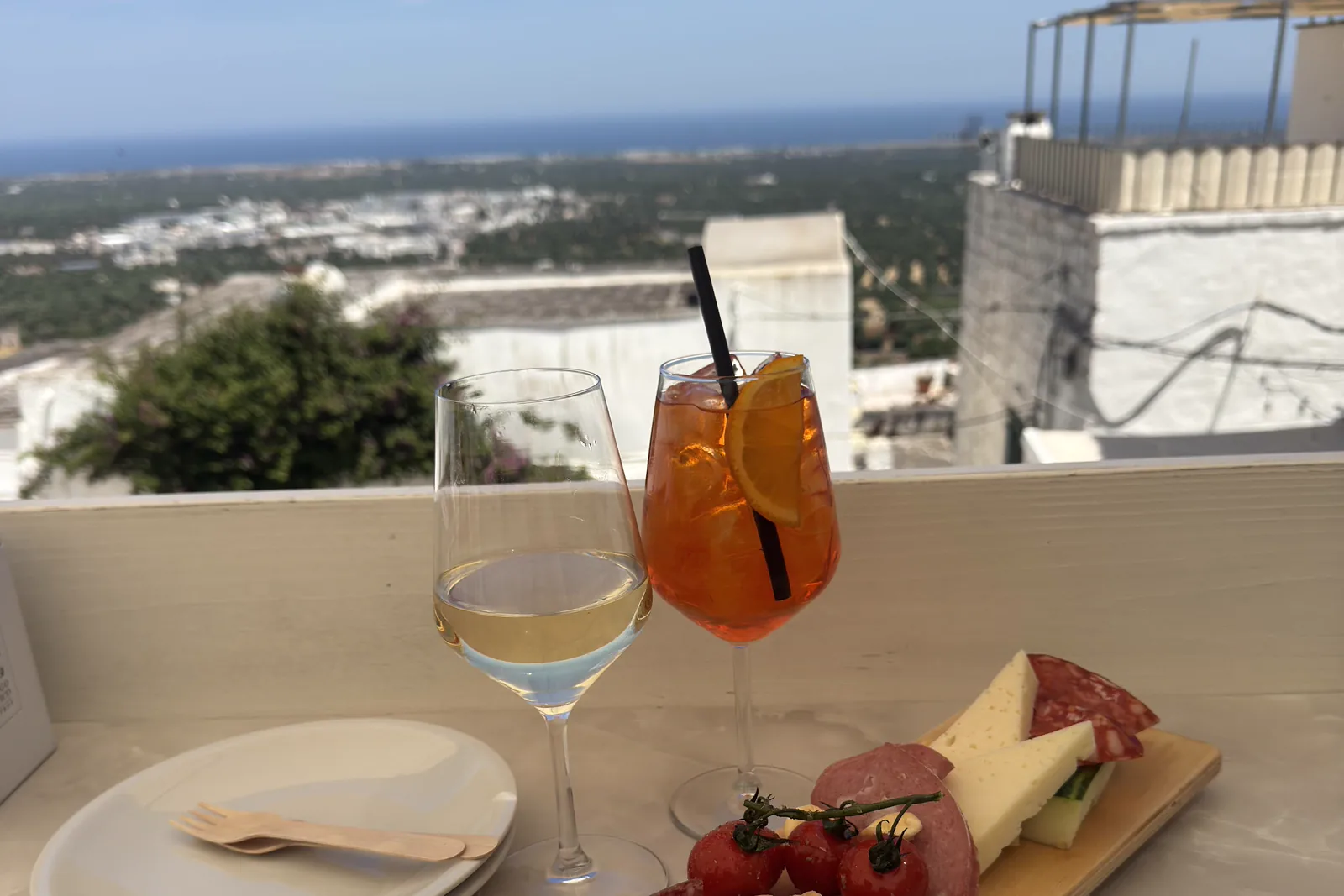
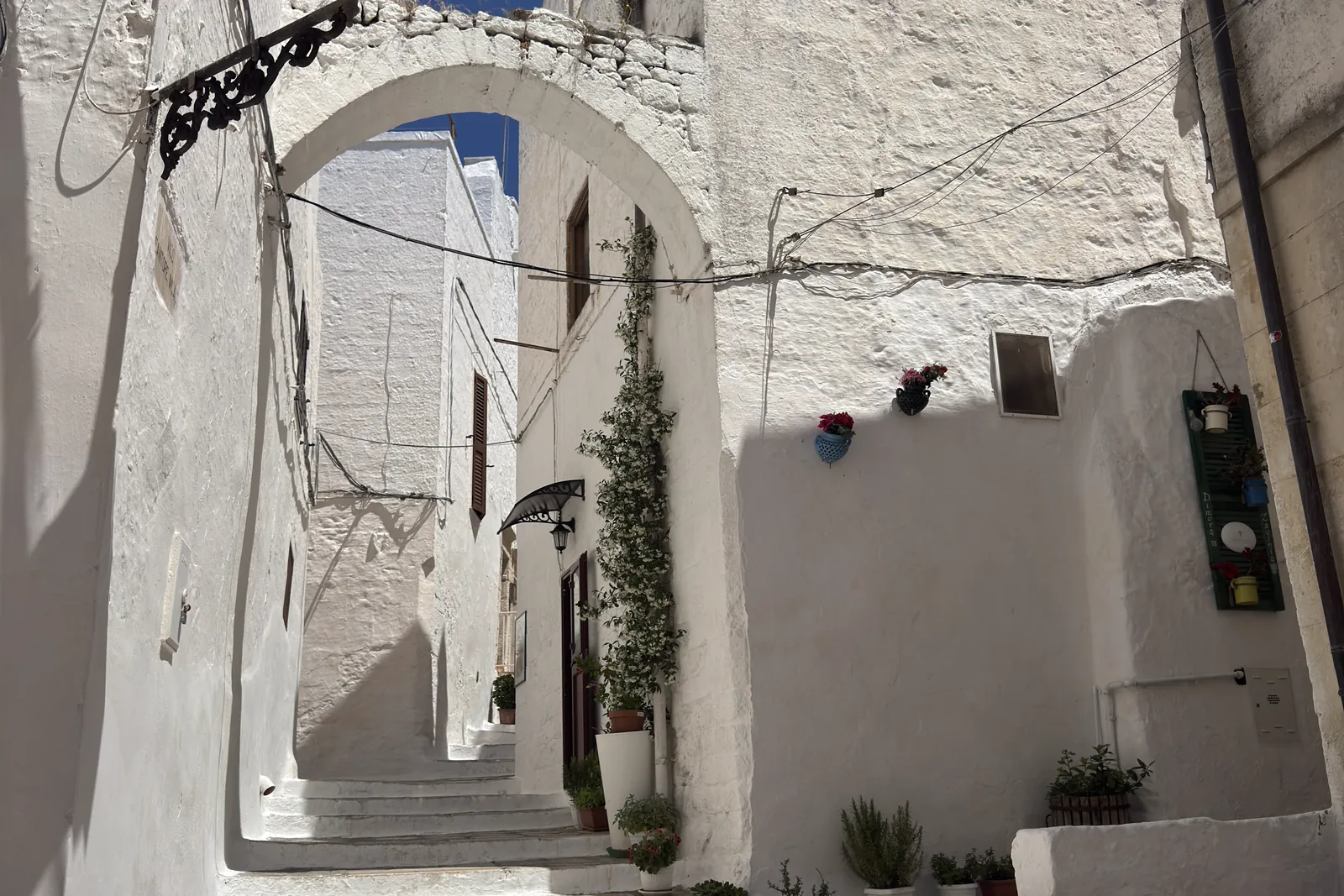
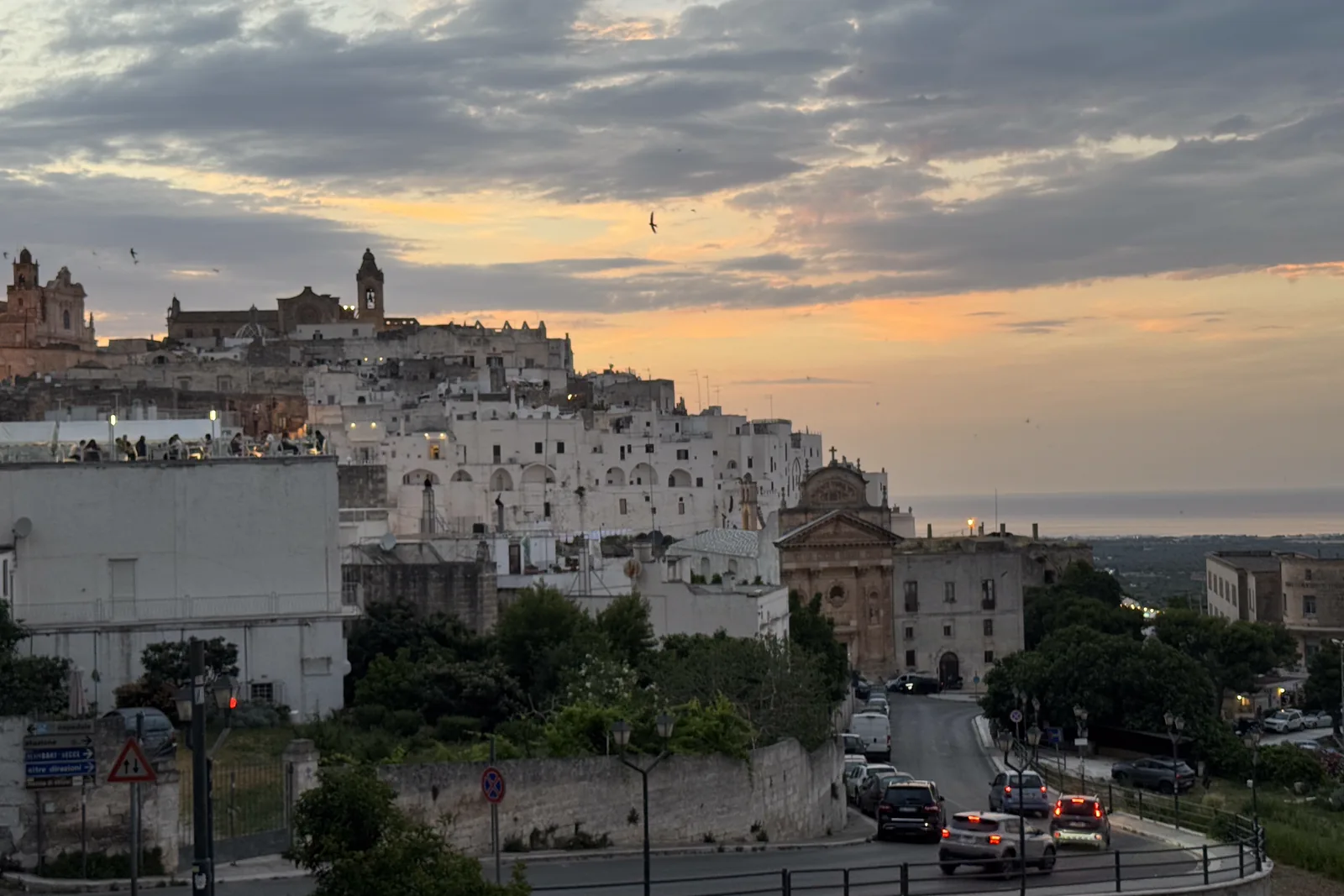
Check-out, then about an hour by car to Ostuni and its white old town. An aperitivo at Borgo Antico Bistrot came with a view over the plain.
Our stay was Masseria Lama di Galizia, in a quiet countryside setting with a pool and a breakfast of local products, which we highly recommend. For other options, see our guide on where to stay in Ostuni. Dinner was at Tami: good Neapolitan pizza, in a restaurant with a welcoming atmosphere. Ostuni is well worth it as a base. It is very pretty for the views out over the countryside, but seeing the immense white mass of houses from outside makes it unique too. The pedestrian streets full of shops around the main square are the biggest draw.
Day 4: Itria Valley
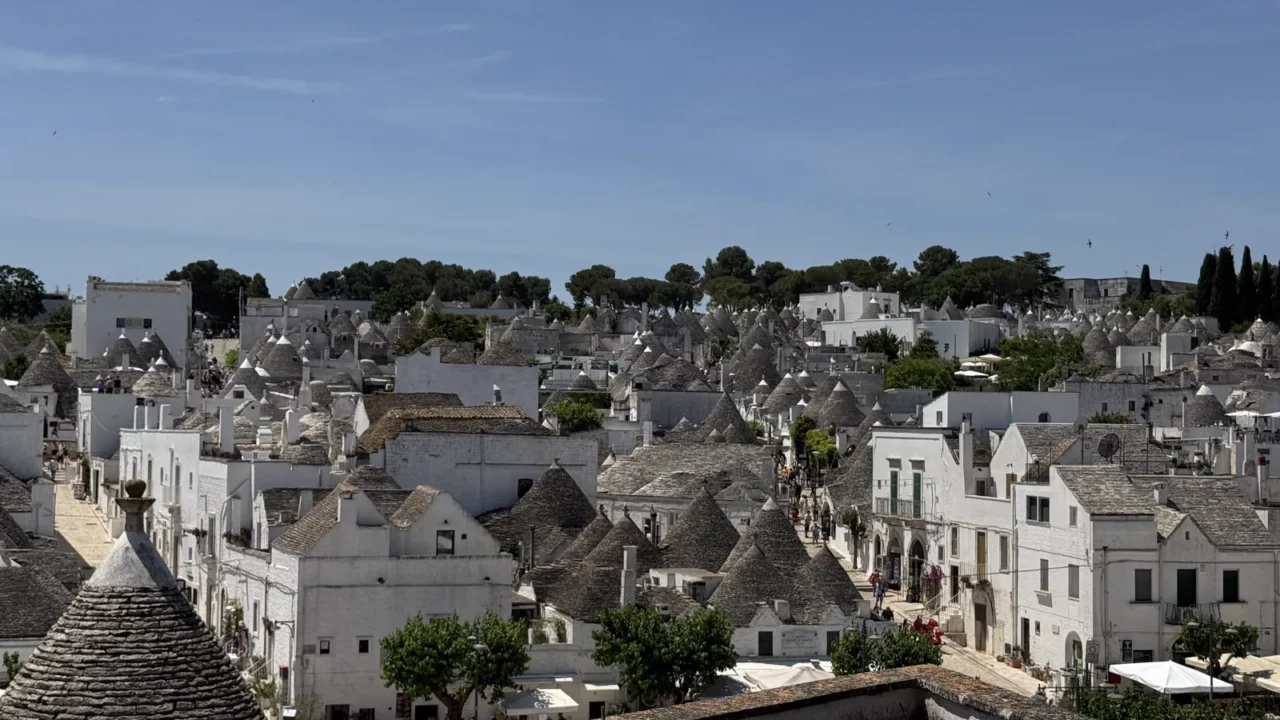
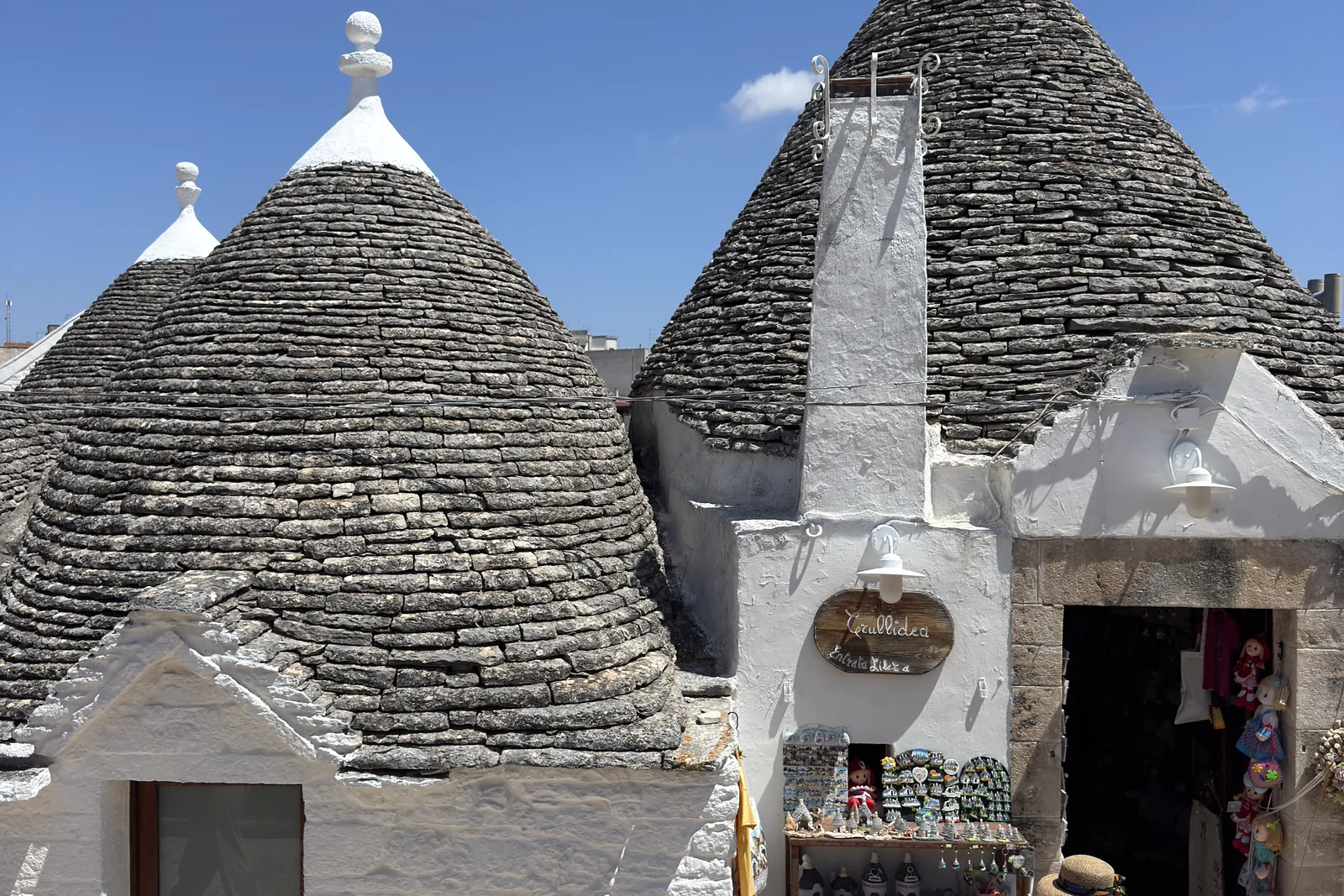
The Itria Valley took the whole day. First stop: Alberobello, with its trulli, a UNESCO World Heritage site. It is a unique place: on the way there we had already seen many trulli, but here they come in a huge concentration, and that makes the atmosphere special. There are lots of tourists, but we could explore without any problem.
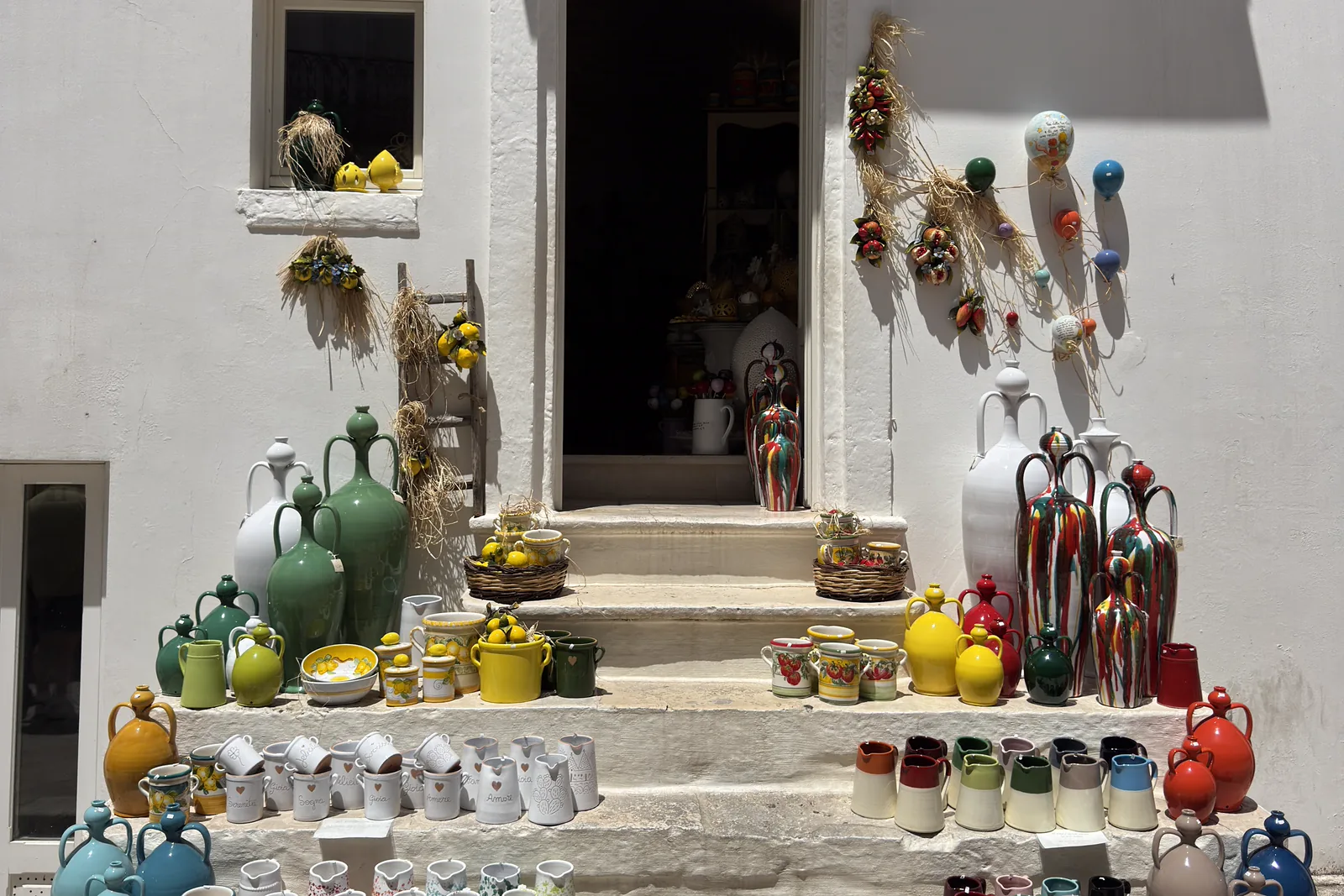
Lunch was at Ombre e Fioi. Then came Locorotondo, which is worth a stop and a good place to buy ceramics, and Cisternino to finish.
Dinner was at Acquasanta Dispensa e Vino, in Ostuni, one of the best places we ate on the whole trip. We liked the atmosphere and the service most.
Day 5: Beach Day
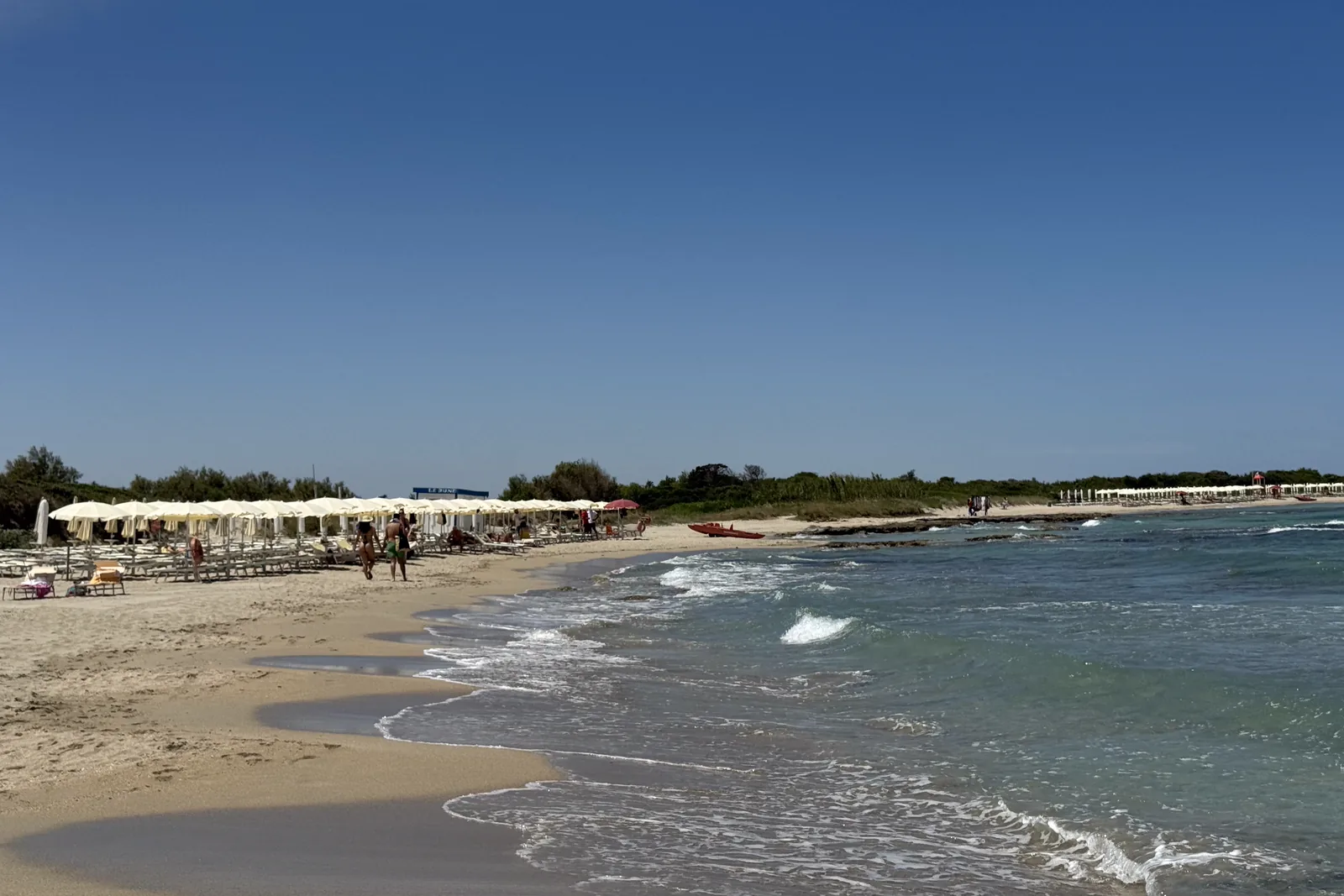
Our beach was Spiaggia di Morgicchio. Free parking is limited, and the water was clean and calm. It is a good beach, but Baia dei Turchi is better.
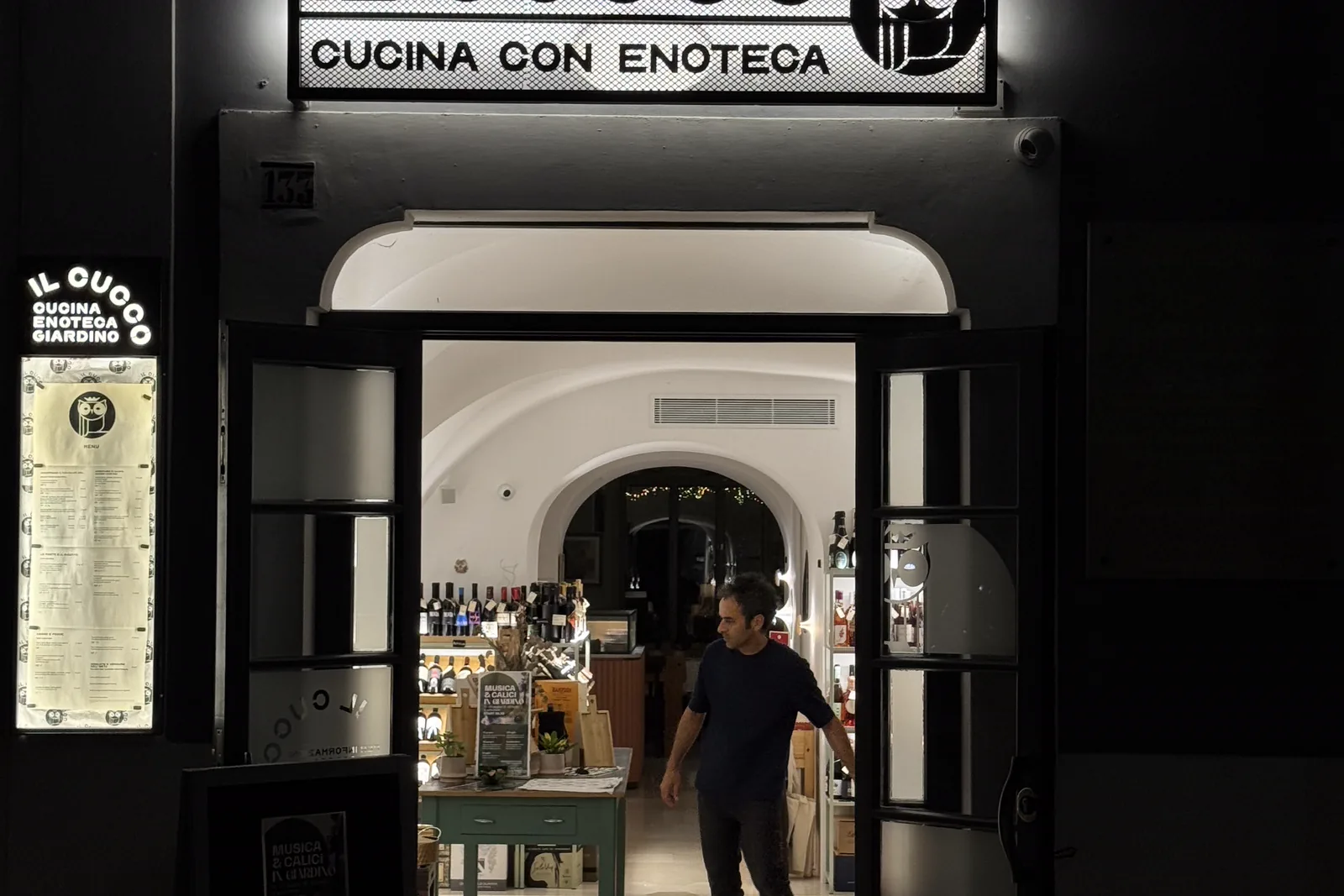
Lunch was at Pansà and dinner in Cisternino, at Il Cuoco: a good meal, nothing special.
Day 6: Lecce and Otranto
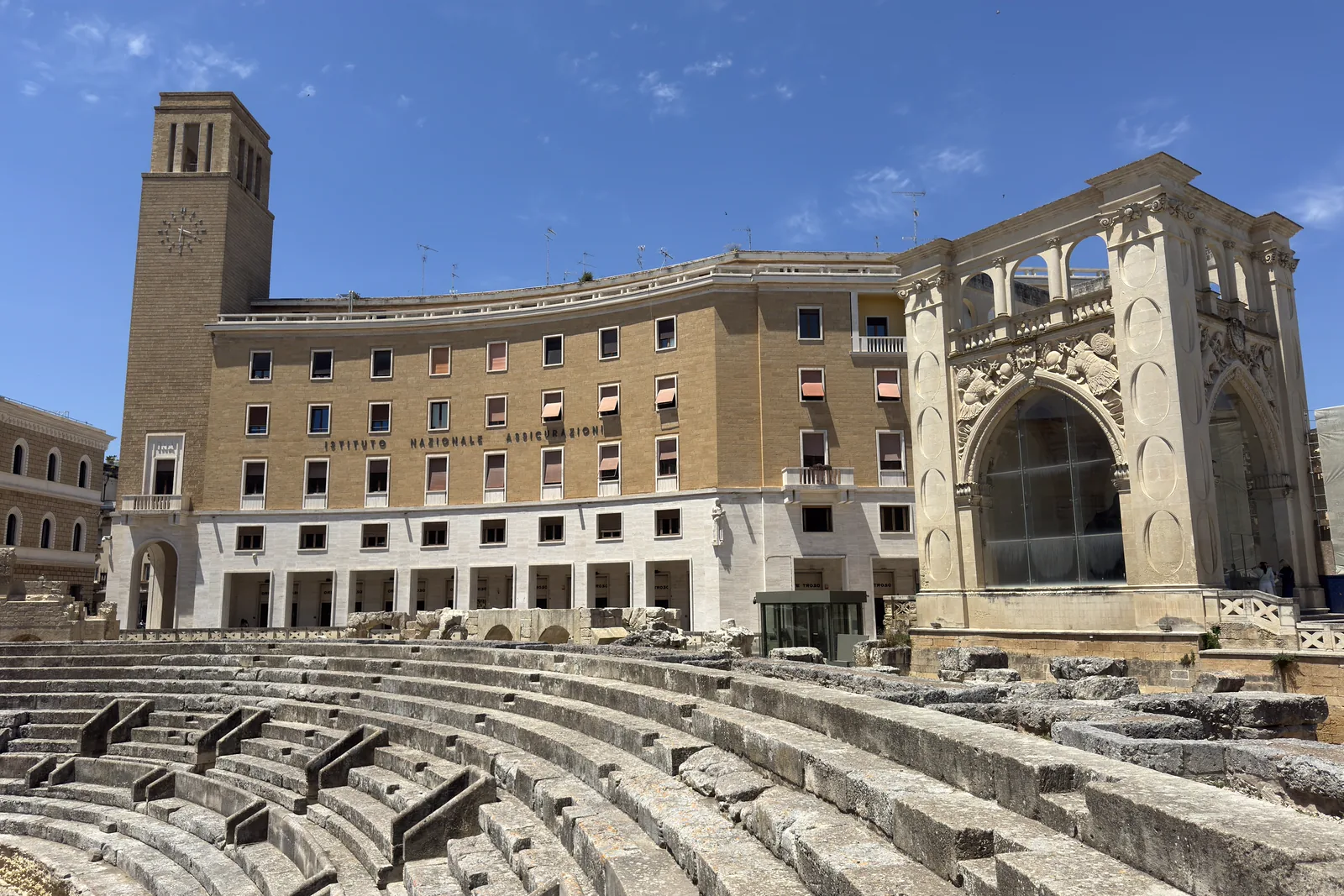
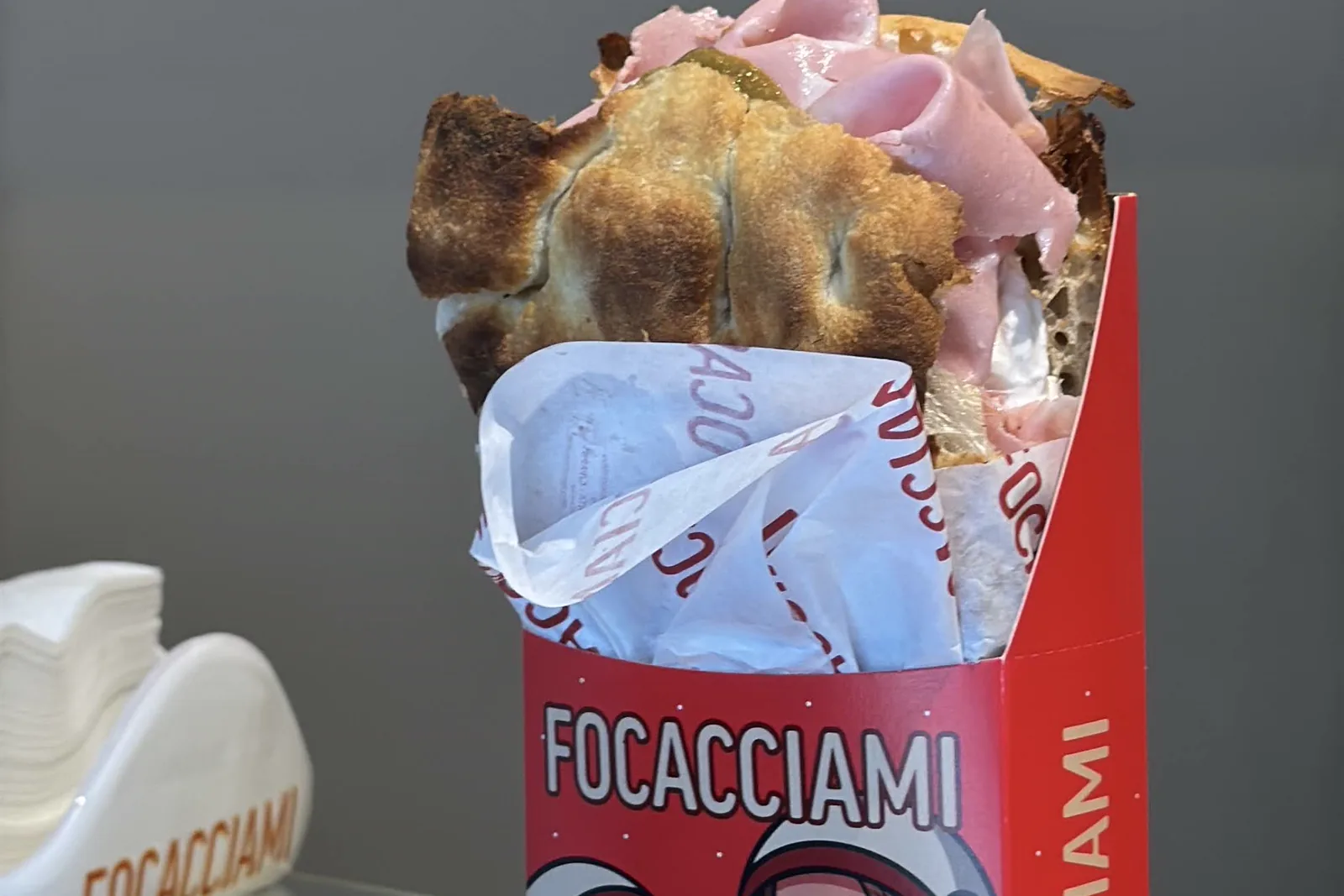
In the morning we stopped in Lecce to see the historic center, and Lecce is well worth it. It is a more typically Italian city, with more historical culture, but with a very lively center full of shops and small restaurants. It is worth exploring, and worth a stop at the Duomo. We had lunch at Focacciami, which is worth it.
That night we slept in Otranto, at Masseria Fabrizio, which we highly recommend. For other options, see our guide on where to stay in Otranto. In the evening there was the pool, then dinner at All’Etto and gelato at Gelateria Fisotti.
Day 7: Salento Beaches
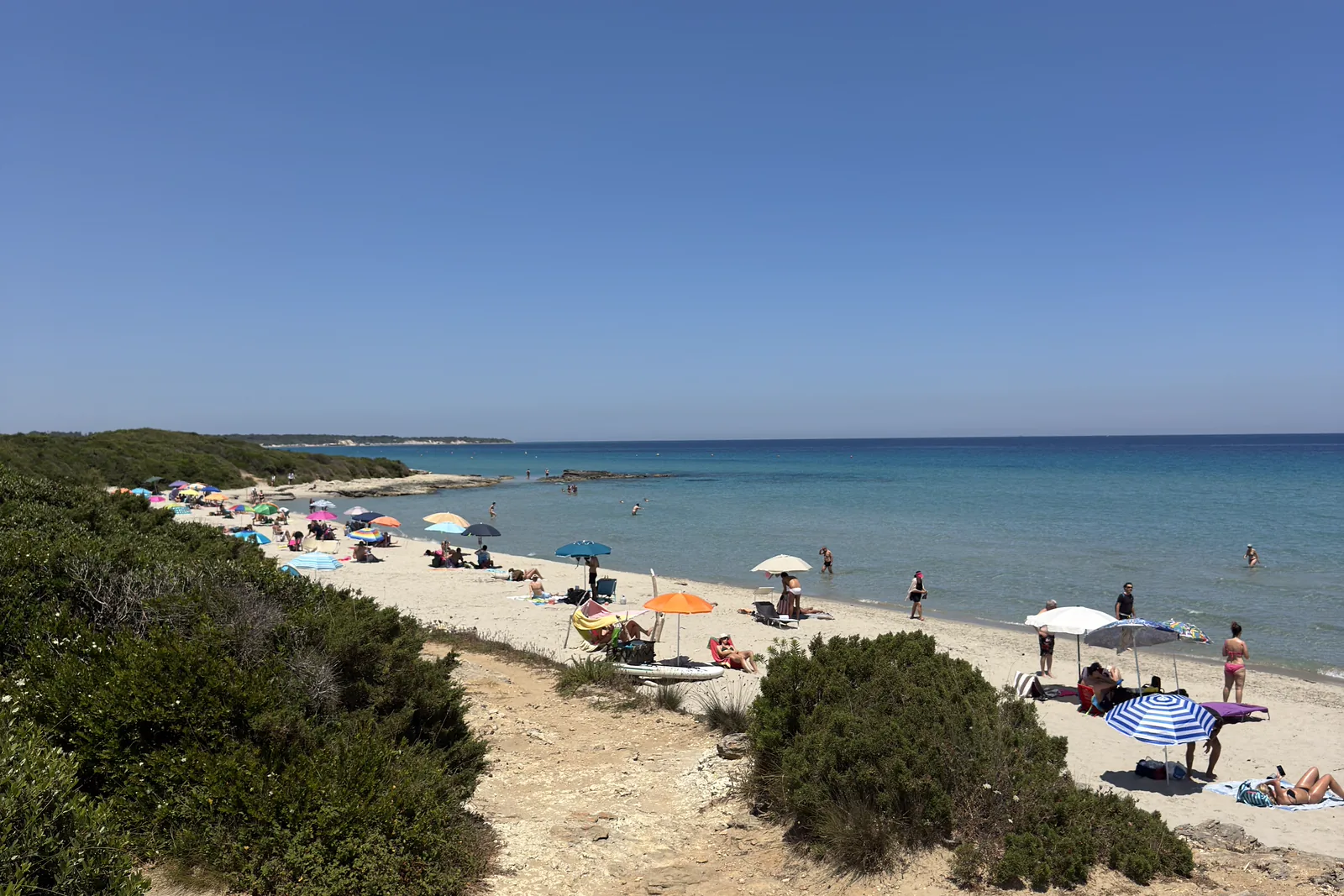
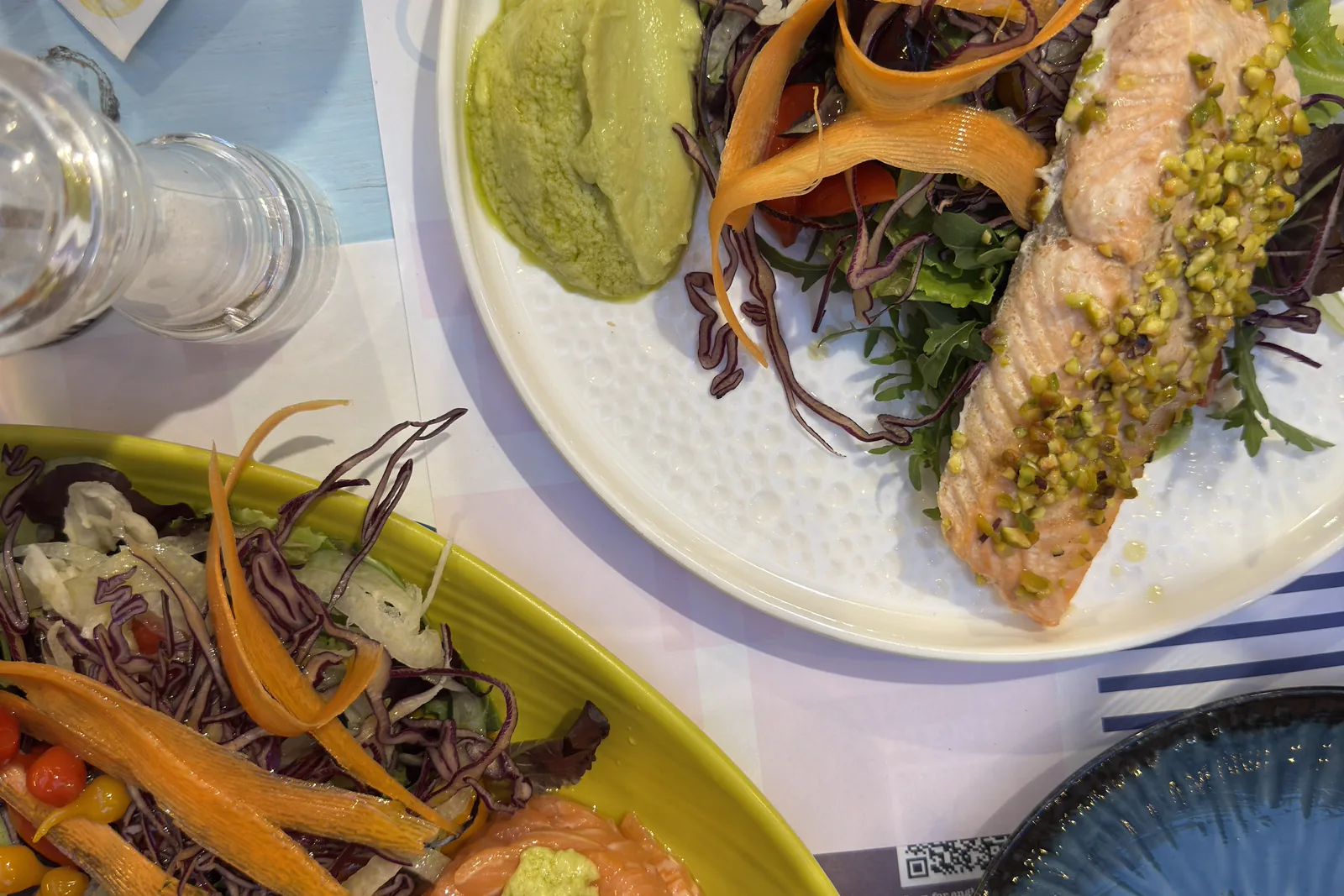
Next was Baia dei Turchi. The water is very clear, and parking cost €5 per day (June 2026), and it is well worth it. We spent the afternoon on the beach. Dinner was at Sofish, which is worth it: the terrace is very cute, on a decorated street, and the fish-based menu is interesting for a lighter dinner.
Day 8: Santa Maria di Leuca and Gallipoli
Santa Maria di Leuca was next, for the lighthouse and an aperitivo by the sea. To us it is a quick stop.
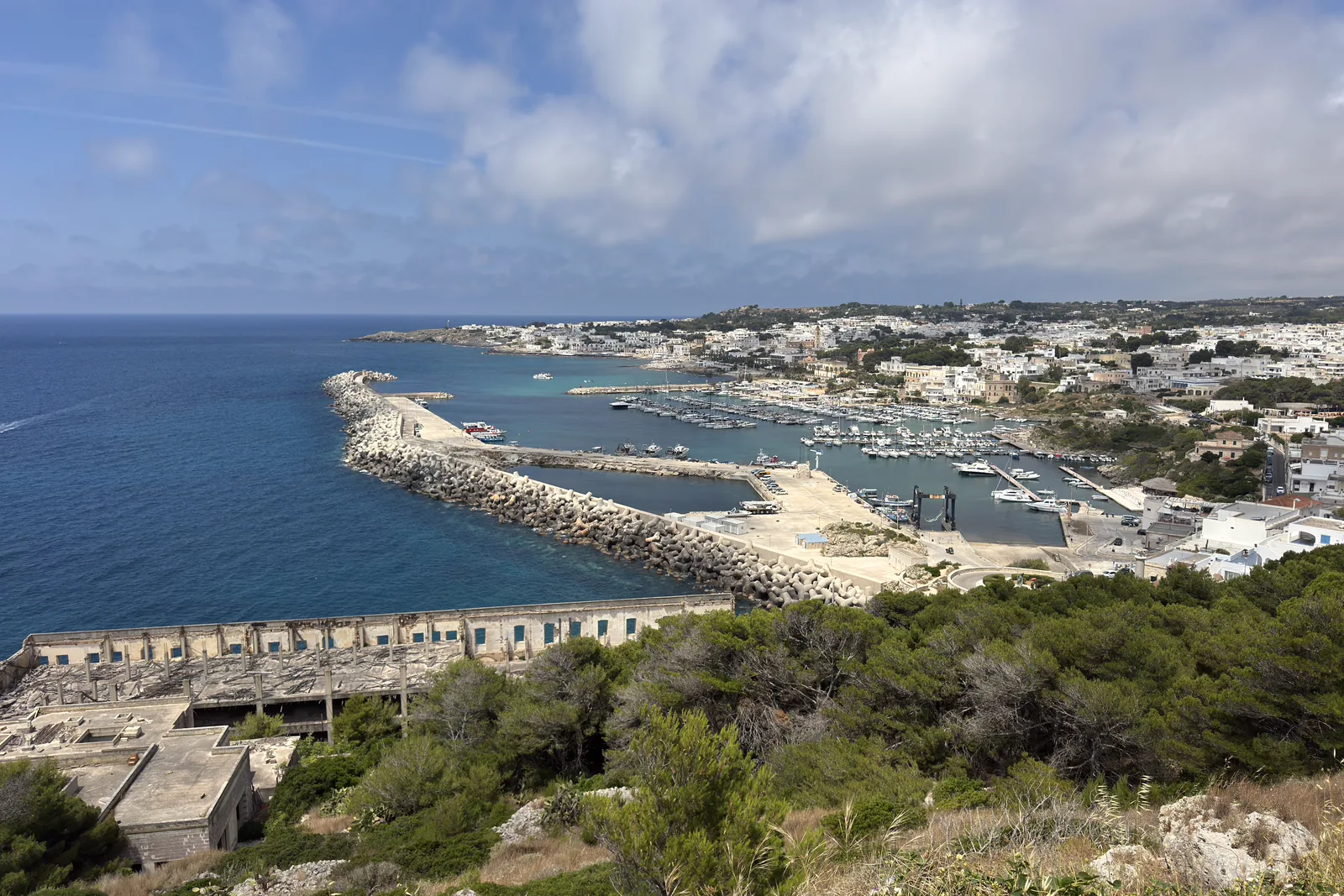
Our base in Gallipoli was Mareviglia Apartments, which we recommend for the value for money and the free parking in the area. For other options, see our guide on where to stay in Gallipoli. Lunch was at Le Garibaldine and dinner at Lievita 72.
Day 9: Gallipoli
This day was meant to be a beach day, but strong winds blew all day and we changed the plan. We walked around town and visited the La Calandra bookshop. Gallipoli is well worth it.
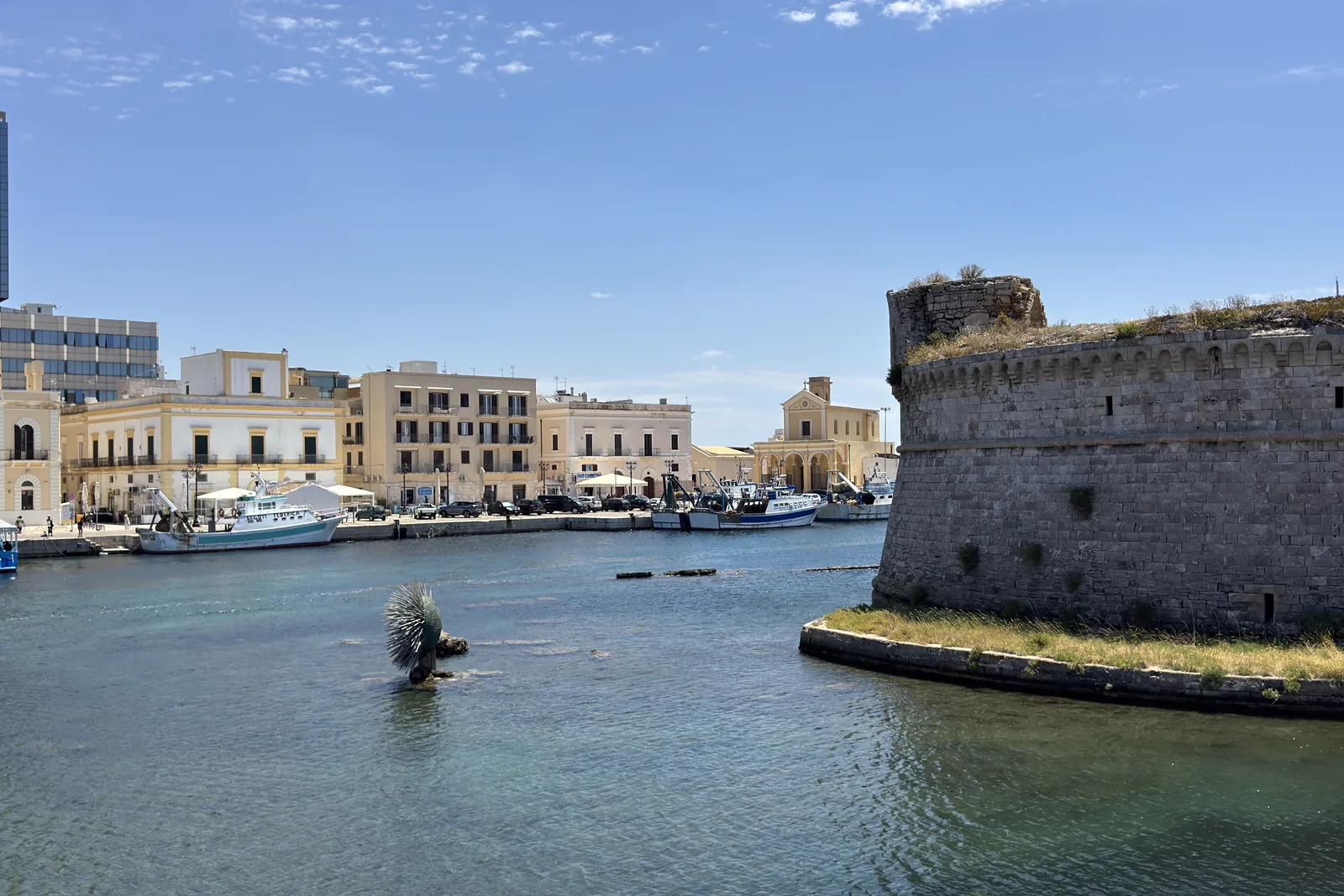
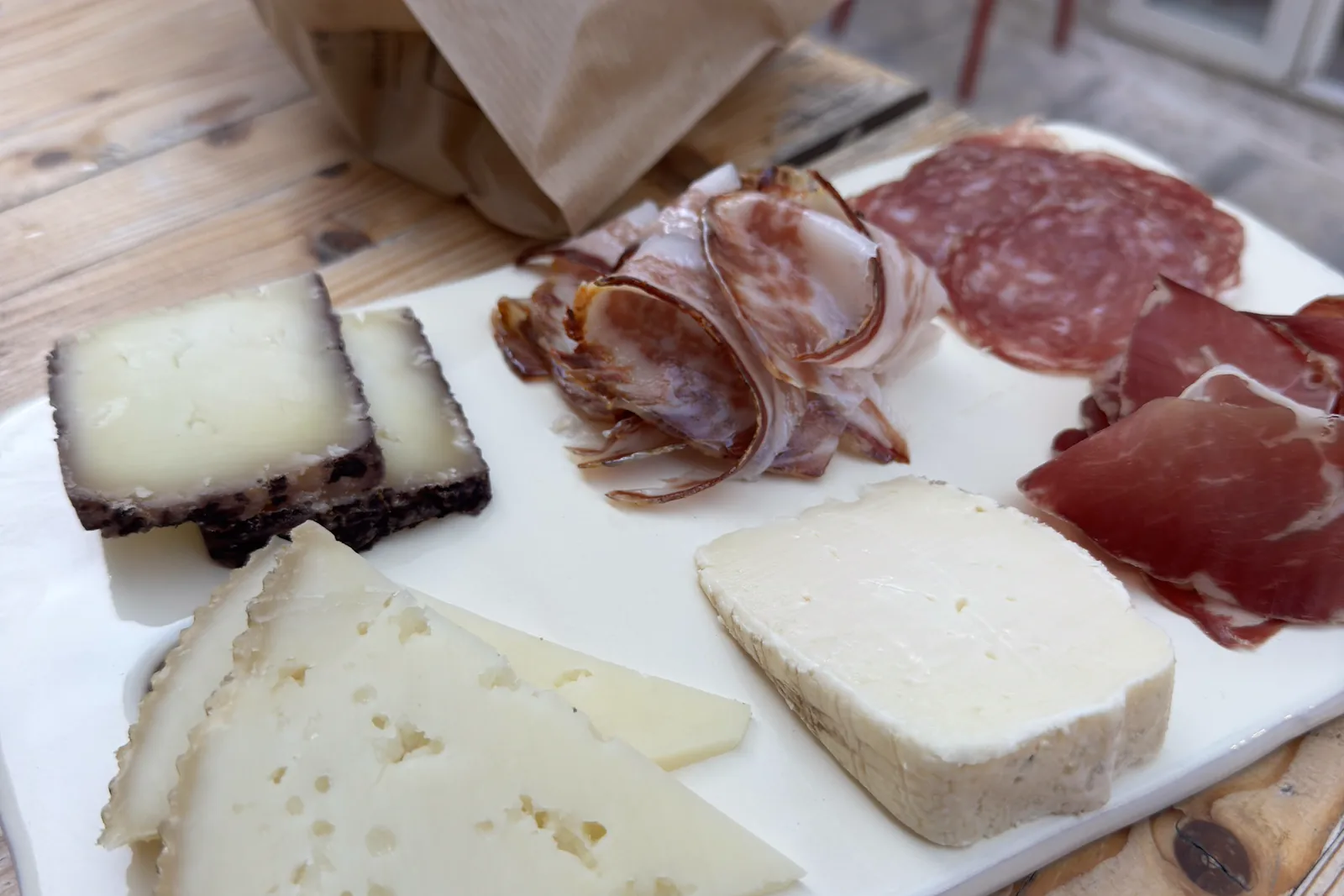
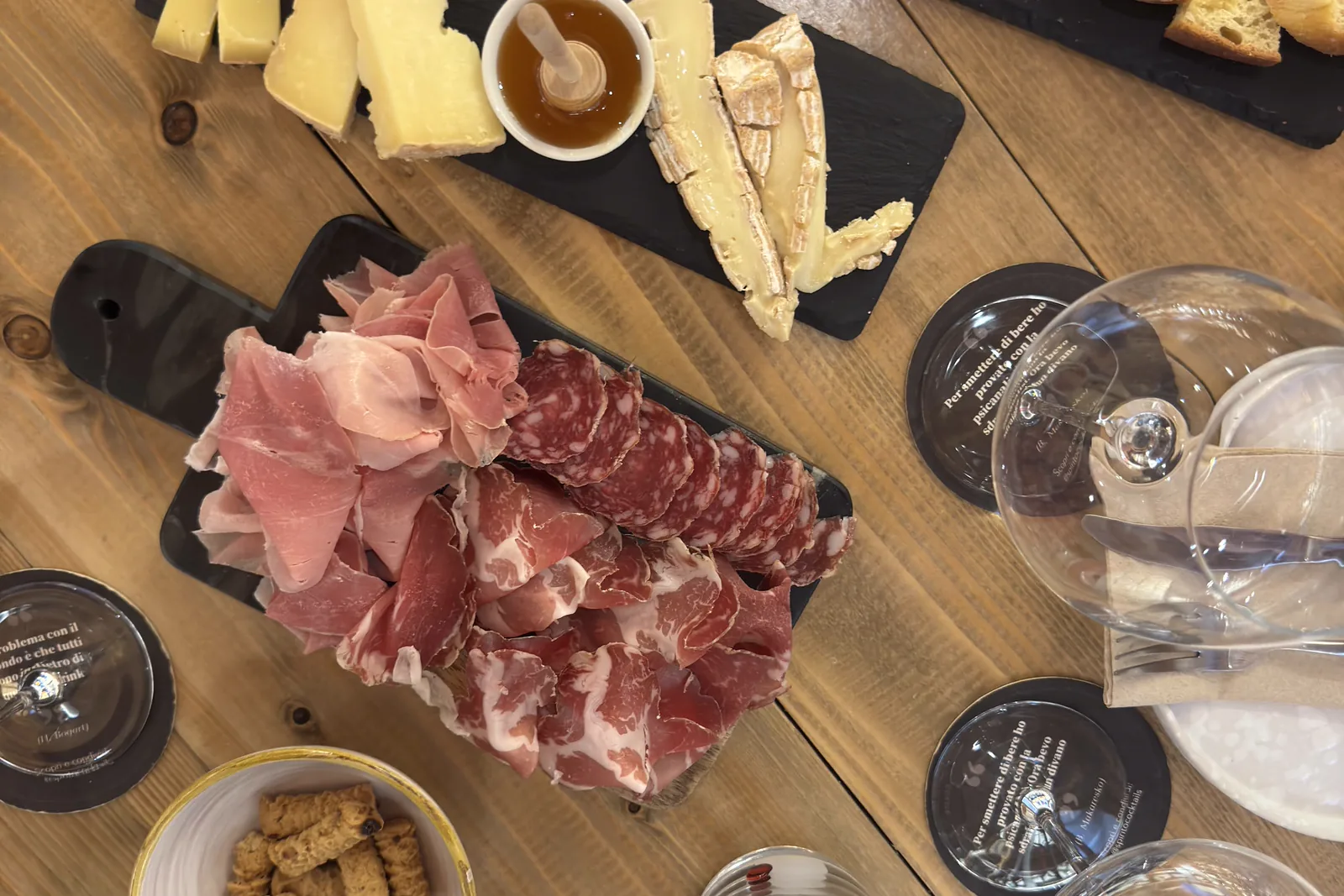
Lunch was at Santi e Massari: the food is very tasty, the service is good and the best part is the terrace on the street. In the afternoon came a cheese and wine tasting at Enoteca Lotti, the best meal moment of the whole trip. The owner was friendly and brought us extra products to try. We felt very welcome.
Day 10: Ceglie Messapica and Matera
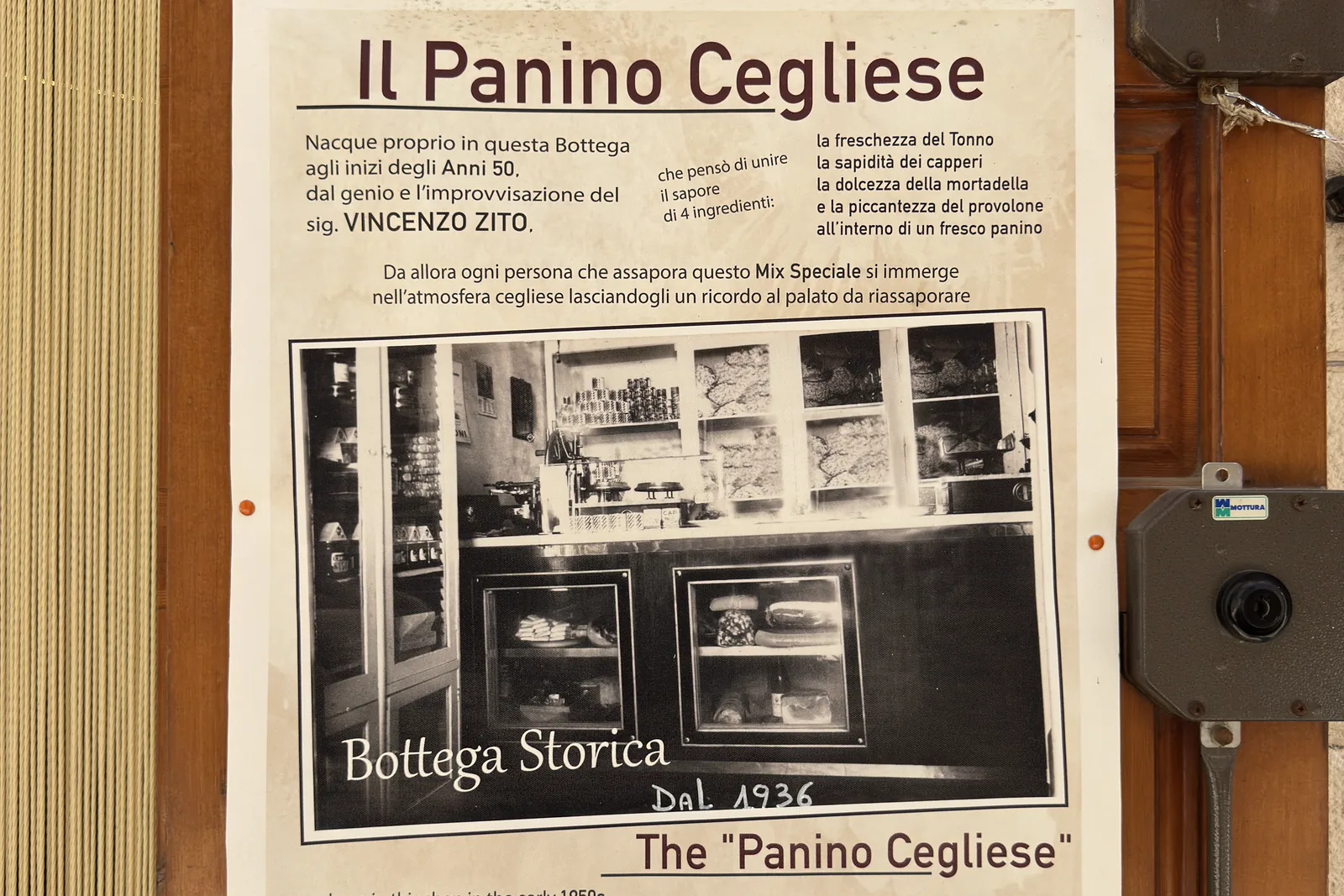
Gallipoli to Matera took about 3 hours by car, with a stop in Ceglie Messapica. We visited the historic center and had a panino cegliese at Bottega Storica. It is worth the stop and very quiet. It was summer and we went right after lunch, so everything was closed.
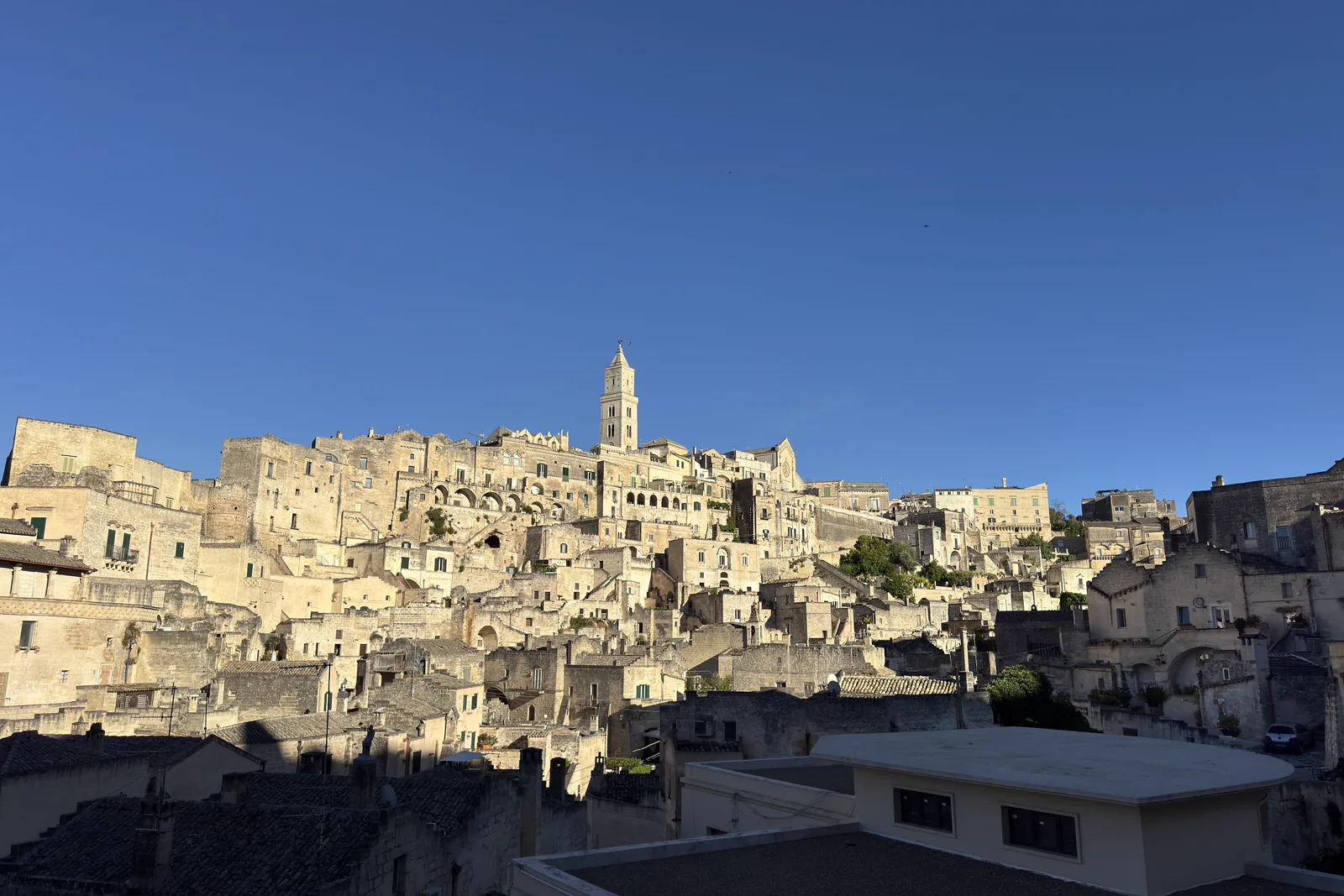
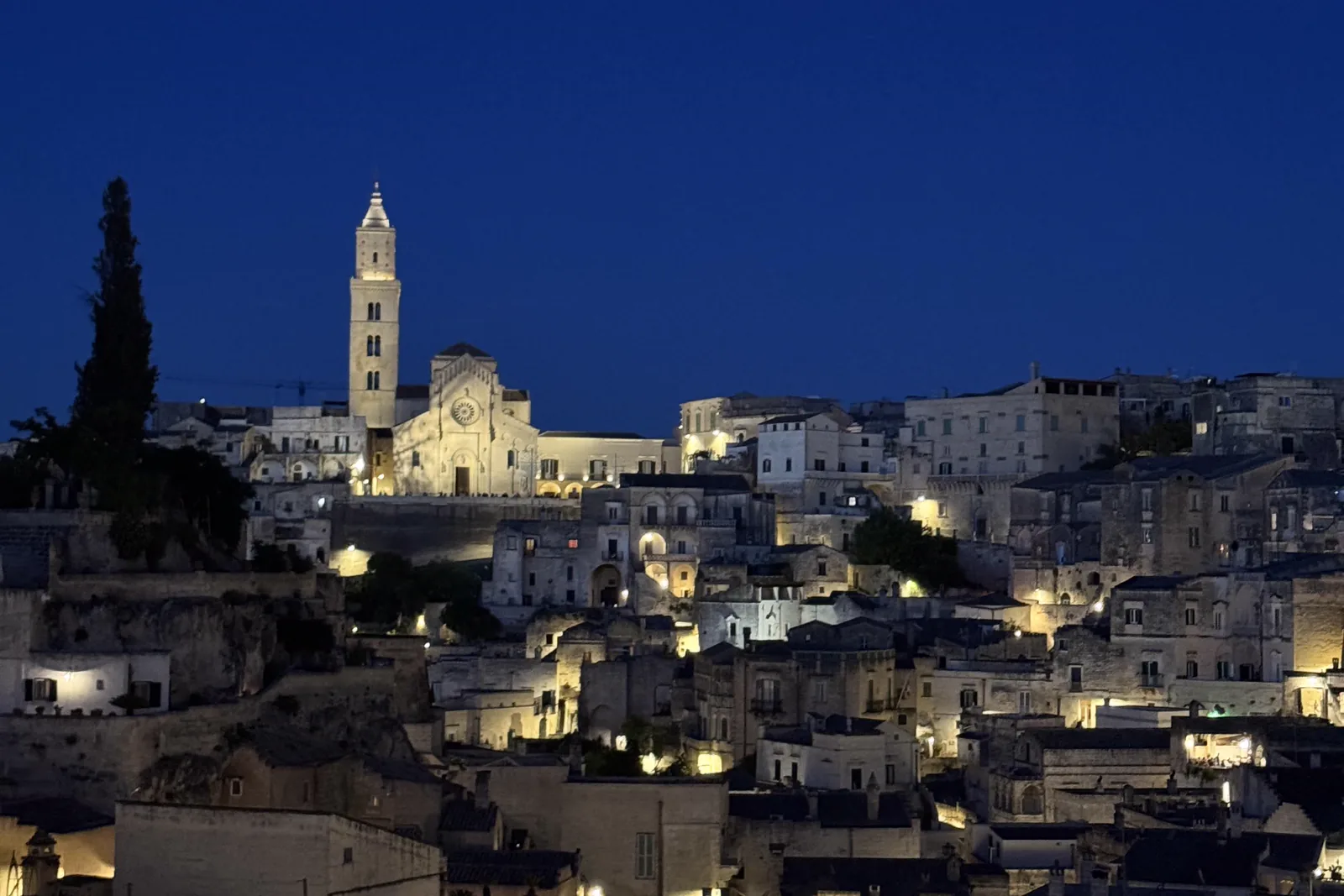
Matera was our last night, at Hotel Del Campo, which we recommend if you have a car: it has free parking and convenient access to the city. For other options, see our guide on where to stay in Matera. The hotel is a bit old-fashioned, but the cleanliness is excellent and the breakfast has good variety. In the evening we walked to watch the sunset over the Sassi, which gives the houses colors you will not see elsewhere. There are plenty of restaurants with terraces, and we picked one where we had a drink during the sunset. Dinner was at Stano, which was good, nothing more. Matera is well worth it: it is a unique place, and the view of the city, from outside and from inside, is unique too.
Day 11: Matera and Bari
Back to Bari. Lunch was at Antò Cucina Tipica Pugliese, and we would go back. Then a walk along the Lungomare, which is also worth it, and the flight home.
What We Would Change
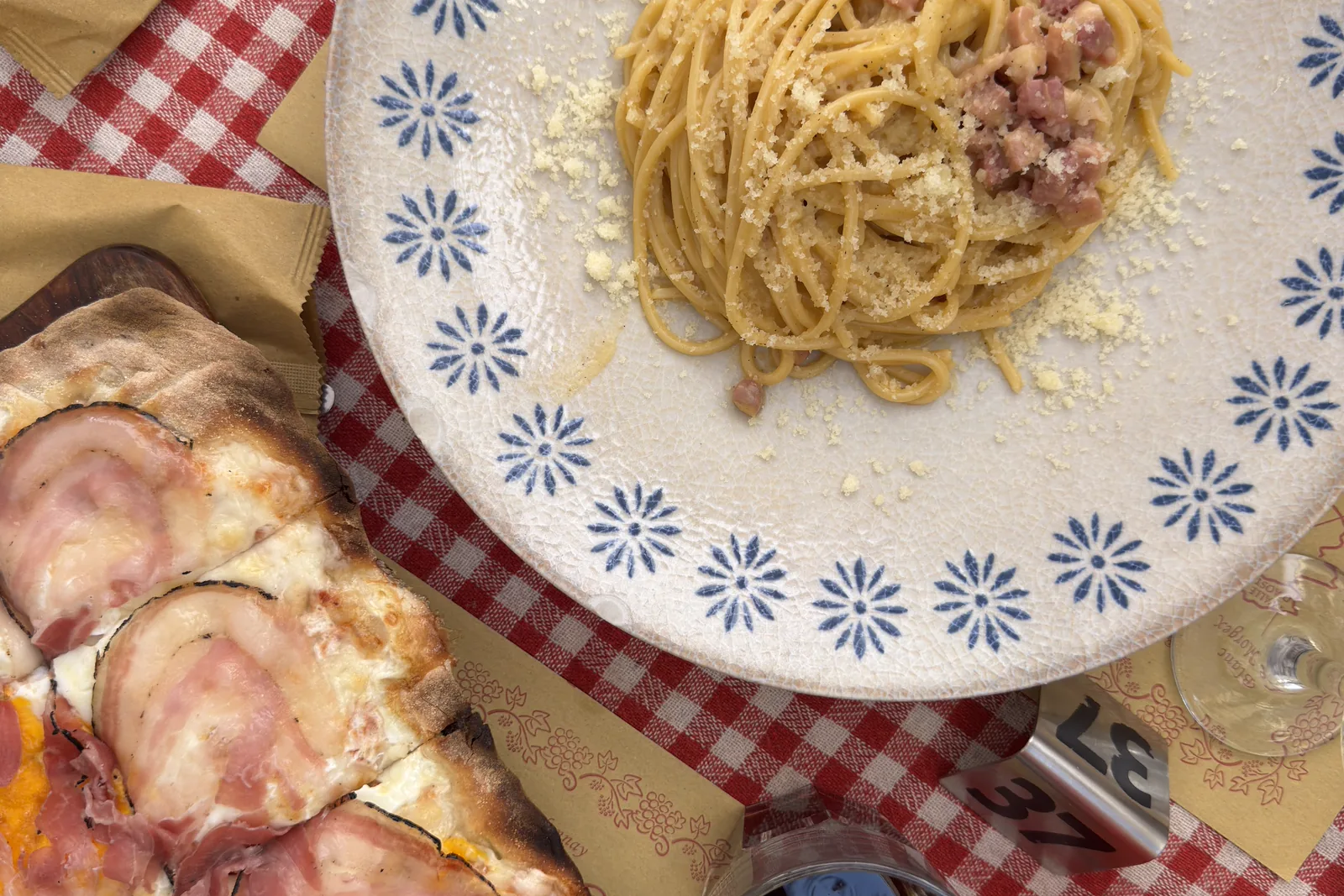
Overall, we would repeat everything. We loved every place we visited and the hospitality of Puglia. We loved the food and the local wines, above all the Primitivo grape. The cuisine is very rich and goes well beyond the traditional Italian pizzas.
What we would adjust:
– Day 9 in Gallipoli: leave a spare day in the schedule. Ours was meant for the beach and the wind took it, but the town and the tasting at Enoteca Lotti made up for it. – Parking: expect to pay almost everywhere, and expect ZTL zones in historic centers. At Baia dei Turchi we paid €5 per day (June 2026). – Bookings: in June we did not book a single restaurant and always got a table.
FAQs About a Puglia Itinerary
How many days do you need in Puglia?
Between 7 and 10 days, to explore the region without rushing. We did 10 nights and 11 days.
Is Puglia expensive?
Not as much as other Italian regions, especially for food. We spent about €40 per meal on average, for the two of us (June 2026).
When is the best time to visit Puglia?
May, June and September are ideal. July and August bring more tourists and higher prices. We went in June.
Should you stay in a town or a masseria?
We recommend masserias for the quiet and the easy parking. The stays, the nights and the prices are in our [guide to where to stay in Puglia](/where-to-stay-in-puglia/).
Do you need to book restaurants in Puglia?
In June we booked none and got a table everywhere. We did not test July or August, so we cannot promise the same then.
Are the beaches in Puglia good?
In the two we visited, yes: Spiaggia di Morgicchio is good and Baia dei Turchi is even better, and it is our favorite.
If you want more of Italy, see our Italy guides.