When we started planning our trip to Medellín, one of the first questions that came to mind was: Is Medellín safe to visit? Like many travelers, we had heard about the city’s violent past, but we also knew that Medellín had changed a lot in recent years. Fortunately, we can say that yes, Medellín is safe to visit, as long as you keep a few basic precautions in mind. Here, we’ll share our experience and give you some helpful tips to include Medellín in your itinerary in Colombia.
In this article
The Transformation of Medellín
Did you know that Medellín was voted the most innovative city in the world in 2013? In recent years, the city has undergone an impressive transformation. What was once a place associated with drug trafficking is now a modern, vibrant metropolis full of culture. It’s one of the top tourism destinations in Colombia, attracting travelers from all over the world.


Neighborhoods like El Poblado, Manila, and Laureles are known for being safe, especially for tourists. And if you’re looking for an unforgettable cultural experience, Comuna 13, which was once one of the most dangerous areas, has become a must-see attraction, full of street art and a story of resilience.
Safest Areas in Medellín
During our trip, we chose to stay in El Poblado and Manila, two of the best neighborhoods in Medellín for tourists. In El Poblado, we always felt safe, whether during the day or at night, especially in the busier areas like Parque Lleras. It’s a lively area, full of restaurants, bars, and vibrant nightlife. If you’re looking for a cosmopolitan and safe environment, this is the best choice.


On the other hand, in Manila, we found a quieter and more relaxed atmosphere. It’s a great neighborhood for those who prefer something less busy but still safe and close to everything. During our stay, we never had any issues exploring these areas.
Places to Avoid in Medellín
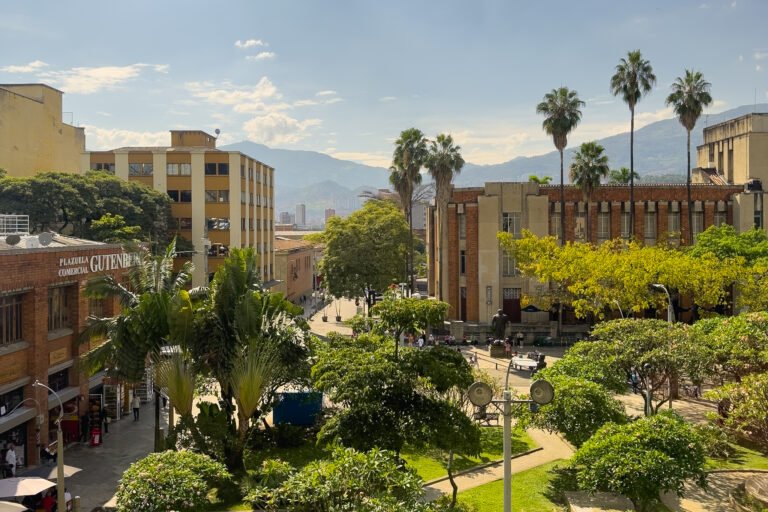
Although Medellín is generally safe for tourists, there are still areas that are best avoided, especially at night. For example, the Centro Histórico is very busy during the day with many tourist spots, like Plaza Botero, but it becomes a bit less safe at night. We visited the center during the day, and it was an amazing experience, but we recommend heading back to your accommodation before nightfall.


Other areas that are farther away or less touristy can be a bit riskier, so if you want to explore places like Comuna 13, it’s always a good idea to go with a local guide who knows the area well.
Safety Tips for Visiting Medellín
Here are some travel tips for Medellín that we followed, which ensured a smooth experience:
- Use safe transportation: We used Uber throughout our stay, and it worked very well. It’s a safe and convenient option. If you prefer taxis, always request one from your hotel or restaurant.
- Stay in tourist areas: Explore neighborhoods like El Poblado, Laureles, and Manila, which are safe and have excellent options for accommodation and restaurants.
- Don’t display valuable items: As in any big city, avoid showing off jewelry, phones, or cameras visibly.
- Explore the center during the day: If you want to visit the Centro Histórico, do so during the day when it’s busier and safer.
- Be cautious with dating apps: If you use dating apps, always meet in public places and stay informed about safety precautions.
- Check safety before exploring less touristy areas: If you’re unsure about any area, ask at your accommodation or opt for a guided tour, such as for Comuna 13.
Is the Metro Safe?
Yes! We took the metro several times and felt it was a safe and affordable way to get around the city. However, like any public transport system, keep an eye on your belongings, especially when exiting stations that may be in less busy areas.
Our Experience
During the days we spent in Medellín, we never felt at risk. Of course, we took the normal precautions we would in any big city, but the city’s atmosphere is welcoming, and the locals are friendly and helpful. Medellín has a vibrant and dynamic energy that won us over, and we left with a feeling of safety and a desire to return.
Overall, Medellín is safe to visit as long as you follow the tips we’ve shared. The city has a lot to offer, from culture and history to amazing cuisine, and with proper planning, you can enjoy everything peacefully.
Extra Safety Tips for Medellín
- Travel insurance: It’s highly recommended to purchase travel insurance, such as Heymondo, when visiting Colombia. This insurance provides comprehensive coverage for medical emergencies, delays, flight cancellations, and even lost luggage. Traveling to destinations like Medellín may involve outdoor activities and unexpected events, so having reliable insurance ensures you’re protected in case of accidents or health issues during your stay.
- General safety: Medellín has a good level of safety in tourist areas like El Poblado and Laureles. However, it’s recommended to avoid more peripheral areas at night and maintain basic precautions against theft, such as using zipped bags and avoiding showing valuables in busy places.
- Public transportation: The Medellín metro is considered safe during the day and is an efficient way to travel. For nighttime journeys, apps like Uber and Didi are quite popular and safe. However, due to recent issues with legal ambiguities (which have apparently been resolved), drivers may ask you to sit in the front to avoid problems with the police.
- Bars and nightlife: The Provenza area in El Poblado is famous for its safe and lively nightlife. However, never leave your drink unattended and avoid areas with prostitution or drug involvement, which can bring additional risks.