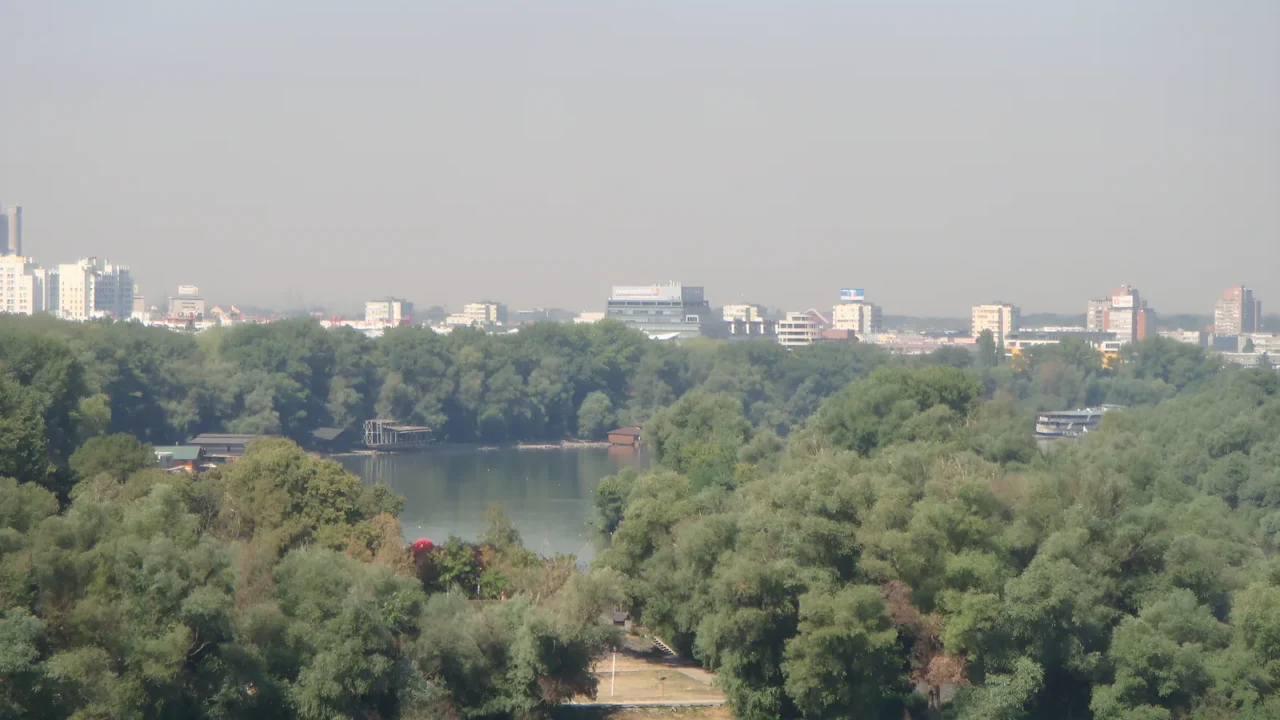
In August 2012 we traveled by train for 12 days from Bucharest to Copenhagen, with Sofia, Belgrade, Budapest and Frankfurt in between. There were five night trains over five legs.
It was one of our Interrail trips, and it left us with more stories than photos. This itinerary puts together the route, the stops we remember best and the night trains, along with what has changed since. If you do not yet know how the pass works, start with our Interrail Pass guide.
The photos from 2012 are old, so we improved them with upscaling and noise reduction. We did not change colors or content.
This article contains affiliate links. If you book through them, we may earn a commission at no extra cost to you.
In this article
The Route at a Glance
We traveled from August 18 to 30, 2012. We flew from Lisbon to Bucharest and flew back from Copenhagen to Lisbon, and the rest was by train with an Interrail Global Pass Flexi. These are the times from our 2012 plan, so treat them as a rough guide and not a current timetable: always check today’s trains.
| Journey | Departure and arrival (2012 plan) |
|---|---|
| Bucharest to Sofia | 11:22 PM to 9:35 AM (night) |
| Sofia to Belgrade | 8:15 PM to 4:17 AM (night) |
| Belgrade to Budapest | 10:10 PM to 5:54 AM (night) |
| Budapest to Munich | 9:10 PM to 6:15 AM (night) |
| Munich to Frankfurt | 6:49 AM to 10:04 AM (daytime) |
| Frankfurt to Copenhagen | 10:20 PM to 10:07 AM (night) |
We spent one night in Bucharest, Sofia, Belgrade, Budapest and Frankfurt, and two in Copenhagen.
- Bucharest
- Sofia
- Belgrade
- Budapest
- Munich
- Frankfurt
- Copenhagen
Bucharest: The Historic Center
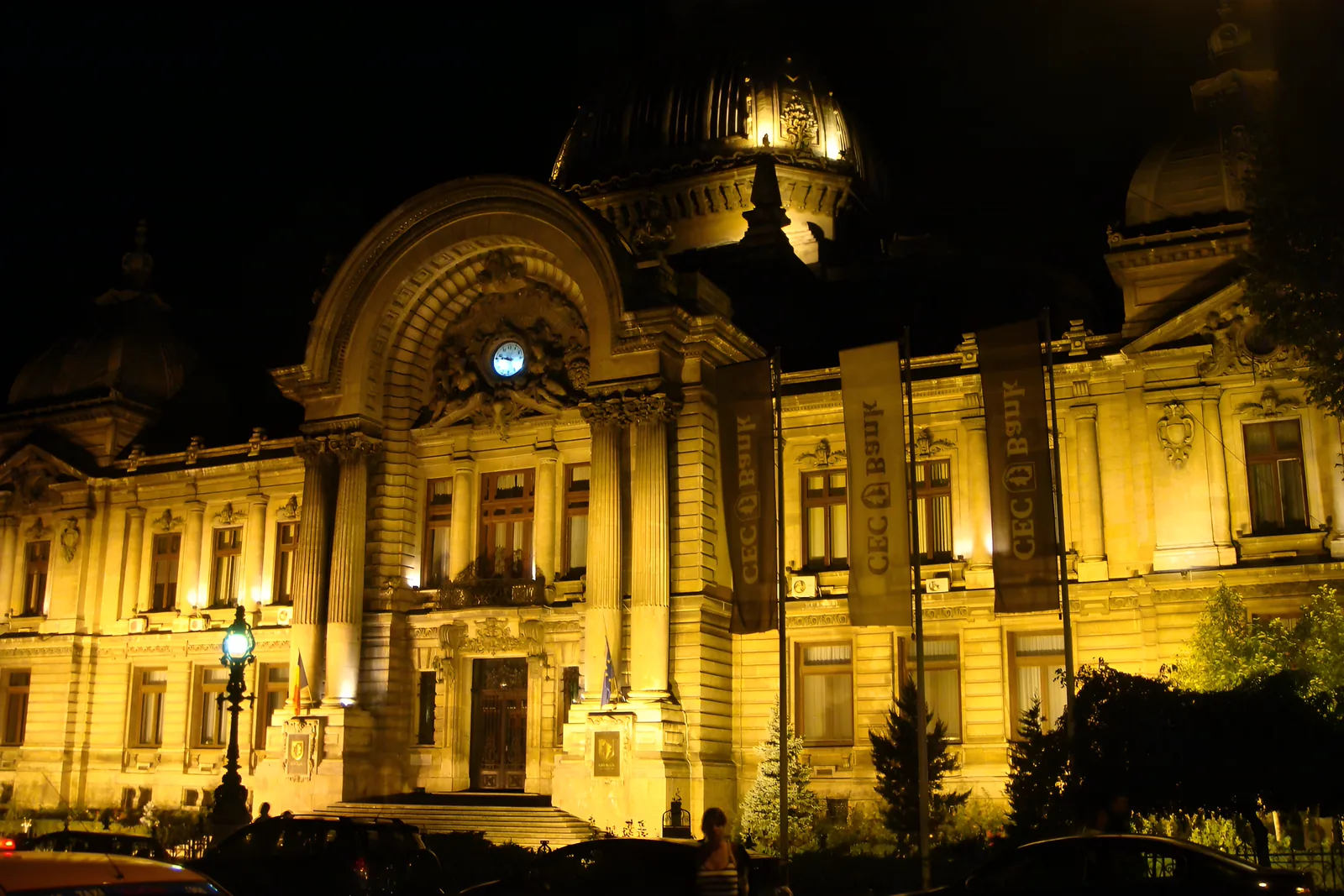
We arrived by plane and stayed one night in Bucharest, before the 11:22 PM train to Sofia. We spent our time in the historic center, walking without hurrying.
Bucharest to Sofia: The First Night Train
This is where we realized what we had signed up for. There were no seats that lay flat and the train windows would not close. Even so, it was a memorable experience, and it is the night we remember most from this trip.
The advice: if you are taking night trains, check beforehand whether yours has couchettes or lie-flat seats, and bring an extra layer even in August. The trains of that time are not the trains of today, so check what exists now on the Interrail site.
Sofia: The Center and the Cathedral
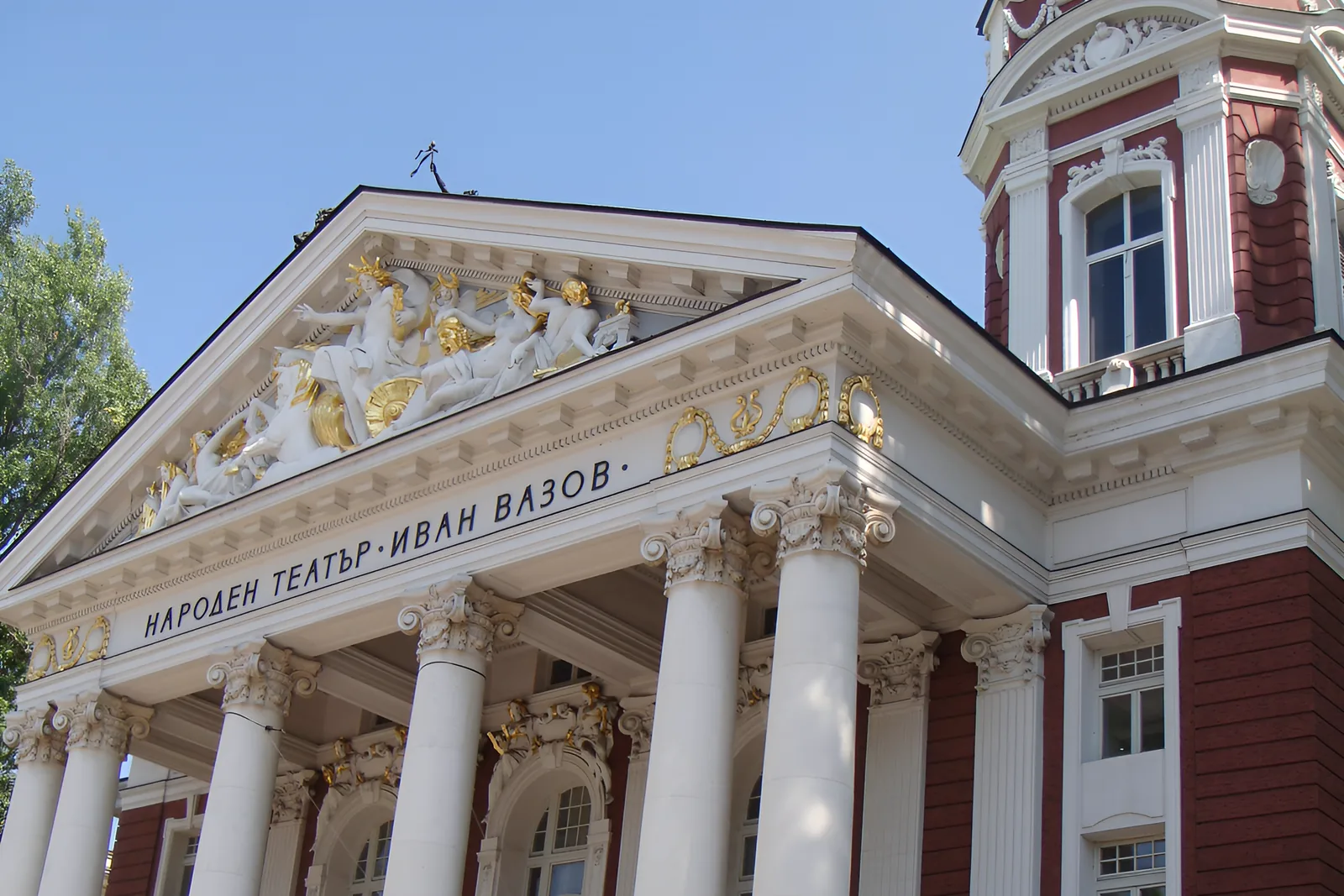
We arrived at 9:35 AM and stayed until 8:15 PM the next day, the time of the train to Belgrade. We spent our time on foot, in the center, at the national theater and at the cathedral.
Belgrade: The City We Liked Most
This was the stop that stayed with us most. We arrived at 4:17 in the morning and stayed until 10:10 PM the next day, the train to Budapest.
It was very hot, but there were countless terraces all over the city, and we spent a good part of the day on them. The walk along the river was excellent, and prices were low.
We will not pretend to know more about Belgrade than this: it was one day, and that is how we lived it.
Belgrade to Budapest: A Border Night
We left Belgrade at 10:10 PM and reached Budapest at 5:54 AM, already in the European Union. The passport check at the border was quick and trouble-free.
Budapest: The Danube Bank and Buda
We arrived at dawn and left the following night for Munich, at 9:10 PM. We spent our time on the Danube bank and in Buda, on foot.
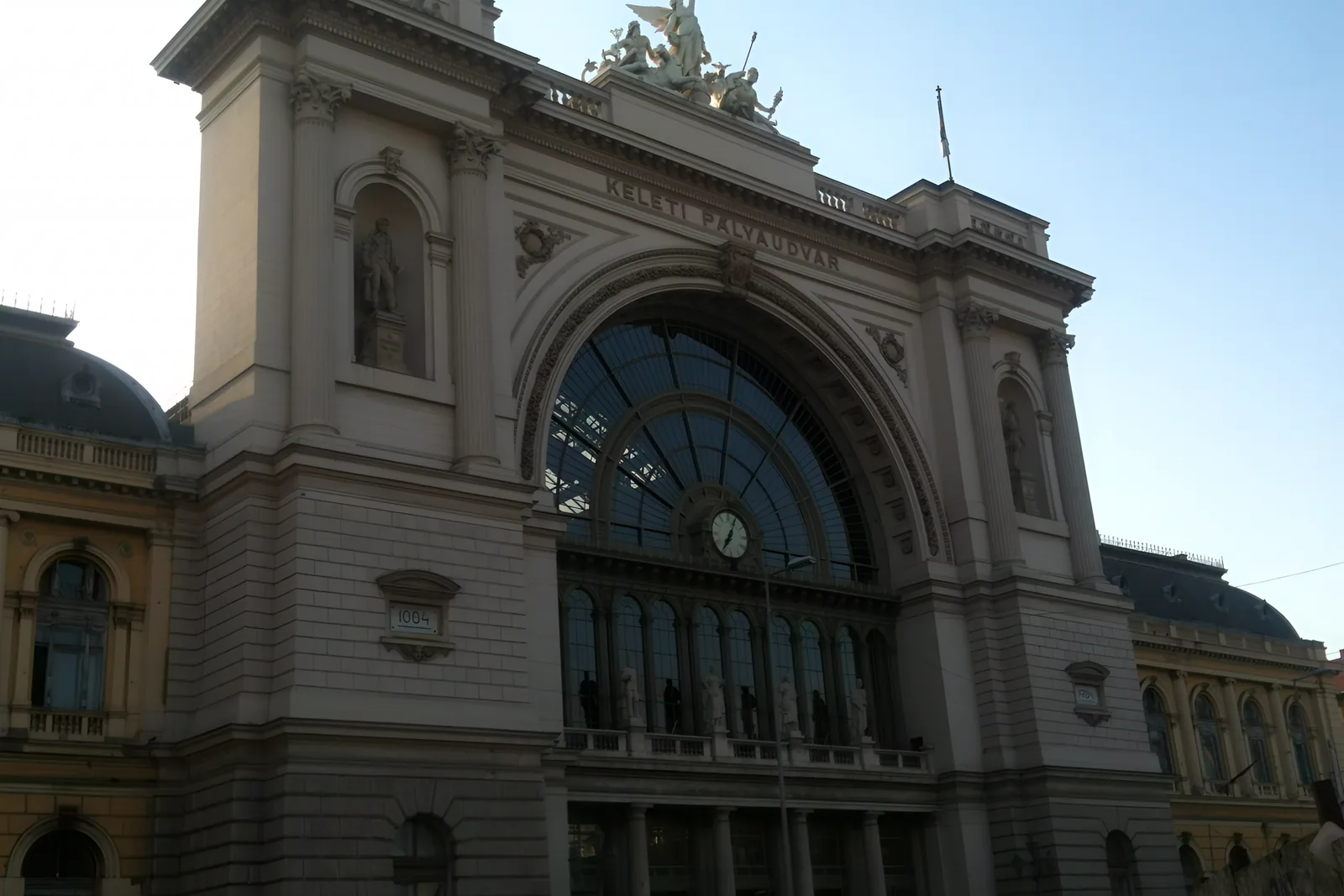
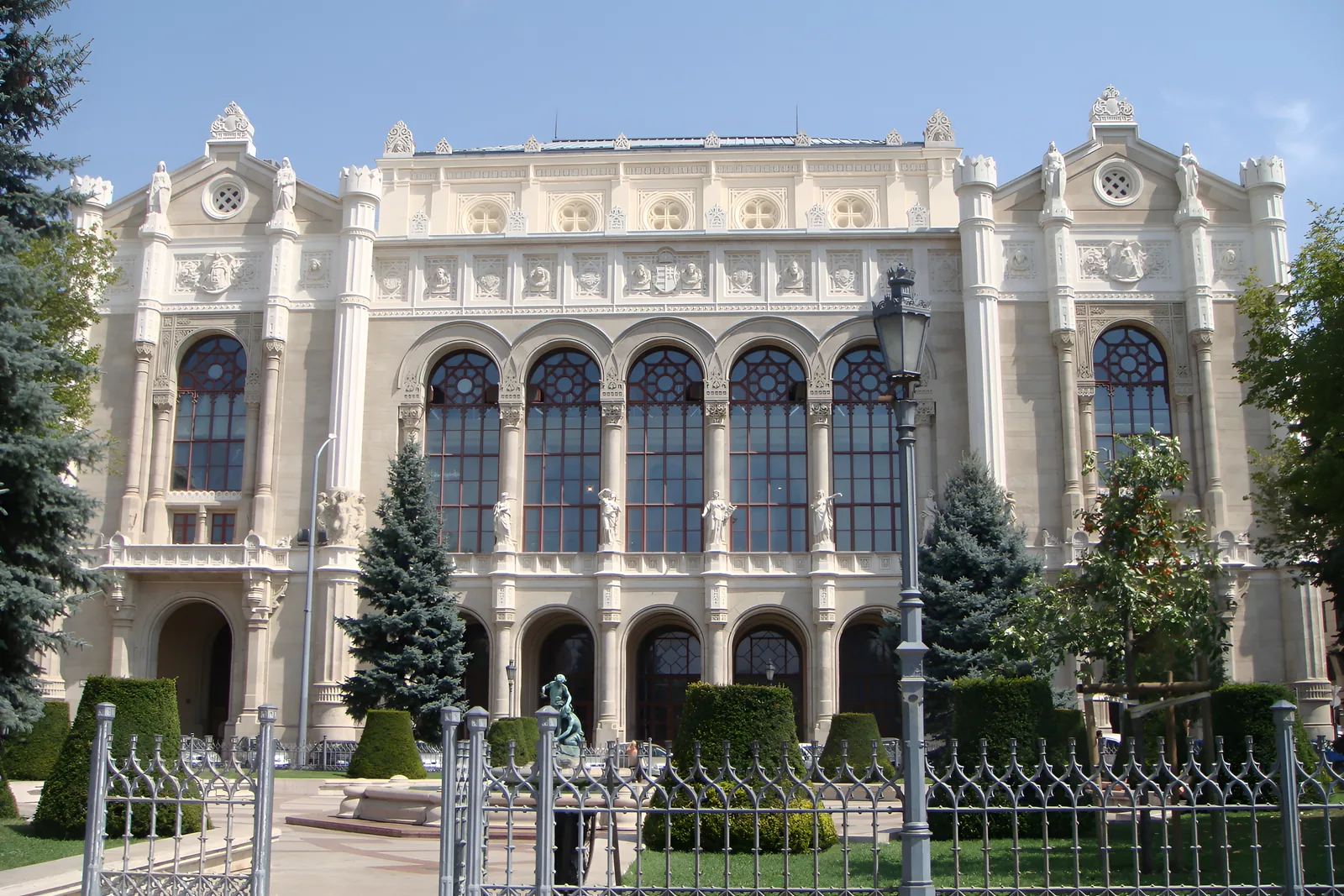
We left from Budapest-Keleti station.
Munich and Frankfurt: Daytime, Then Another Night
From Budapest to Munich was another night train, arriving at 6:15 AM. From Munich we continued in the morning to Frankfurt, at 6:49 AM, arriving at 10:04 AM. We spent one night in Frankfurt, where we spent the day in the center and along the Main river.
Frankfurt to Copenhagen: The Last Night Train
We left at 10:20 PM and reached Copenhagen at 10:07 AM. It was the fifth and last night train of the trip.
Copenhagen: Nyhavn and the Canals
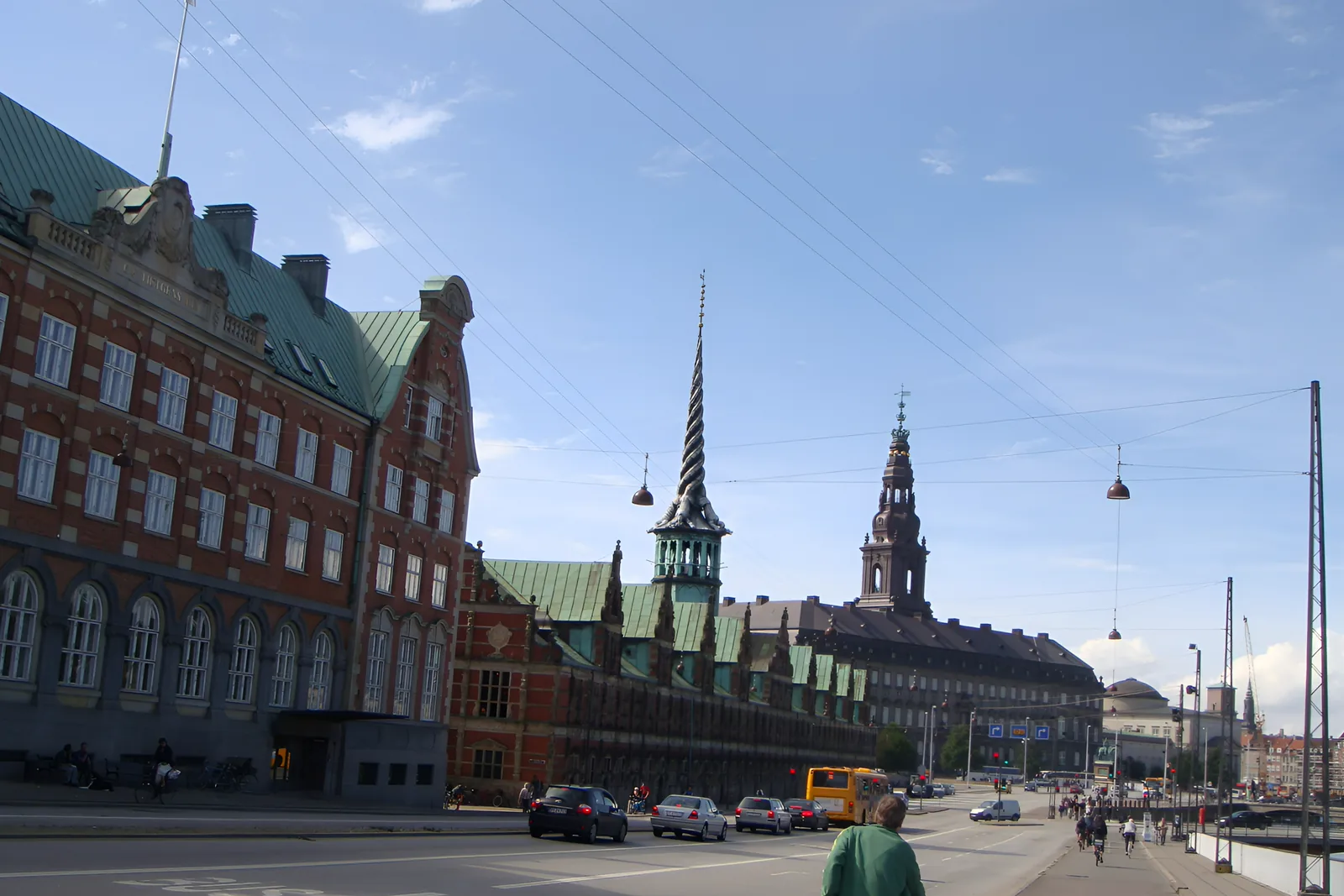
We spent two nights in Copenhagen. What stayed with us most was Nyhavn and the canals, on foot. After the Balkans, what we noticed most was how expensive food, restaurants and accommodation were.
Where We Slept
On this trip we slept, according to our plan, in a hotel in Bucharest, Hotel Aris in Sofia, a hotel in Belgrade, the Corvin Hotel in Budapest, a hotel in Frankfurt and Omena in Copenhagen. Hotel Aris still exists on Booking. Of the others, some have changed name and some no longer appear, so we do not recommend them blindly.
To see what is there today: stays in Bucharest, in Belgrade, in Budapest, in Frankfurt and in Copenhagen.
What Has Changed Since 2012
This trip is 14 years old. Prices, timetables and the trains themselves have changed. Some of the night trains we took no longer run, so always check the Interrail site and the operator of each country. For timetables, our trick is still the German railways site (Deutsche Bahn).
More train and travel guides:
– For everything about the pass rules and prices, see our Interrail Pass guide. – For packing, our article on luggage for a round-the-world trip covers what we learned on Interrail trips and others. – If you want a shorter train trip, see our Puglia by train guide.
How Long Does Bucharest to Copenhagen Take by Train?
In our 2012 plan, 12 days, with a flight to Bucharest and back from Copenhagen. The night trains weigh heavily on the time: check today’s timetables.
Are Night Trains Worth It in This Region?
For us yes, with caveats. The first one, from Bucharest to Sofia, had no lie-flat seats and the windows would not close. It was a memorable experience, but keep that in mind.
Which City Did We Like Most?
Belgrade. It was very hot, but there were countless terraces, prices were low and the walk along the river was excellent.
Can You See Each City in One Night?
That is what we did in Bucharest, Sofia, Belgrade, Budapest and Frankfurt. It gives you an idea, but we wanted to stay longer in some.
Do the Trains We Took Still Run?
Some no longer do. Check today’s trains with Interrail and with the operator of each country.
Do I Need to Reserve?
On many high-speed and night trains, yes, and it is paid separately. See the Interrail reservations page.